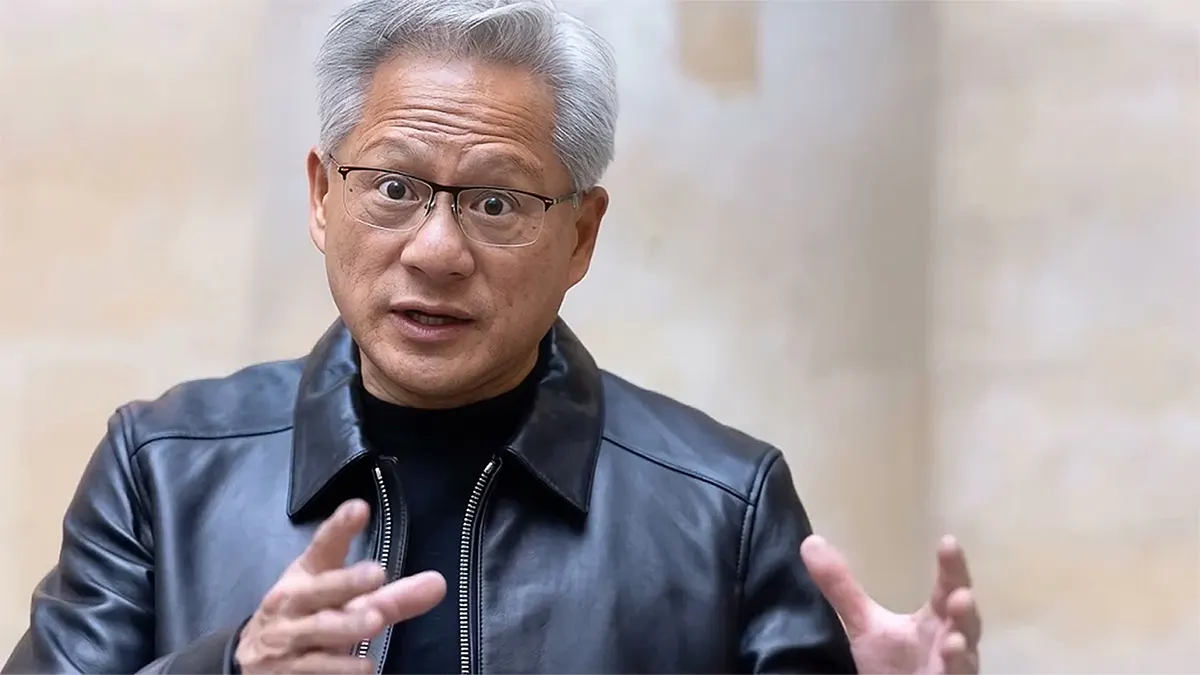
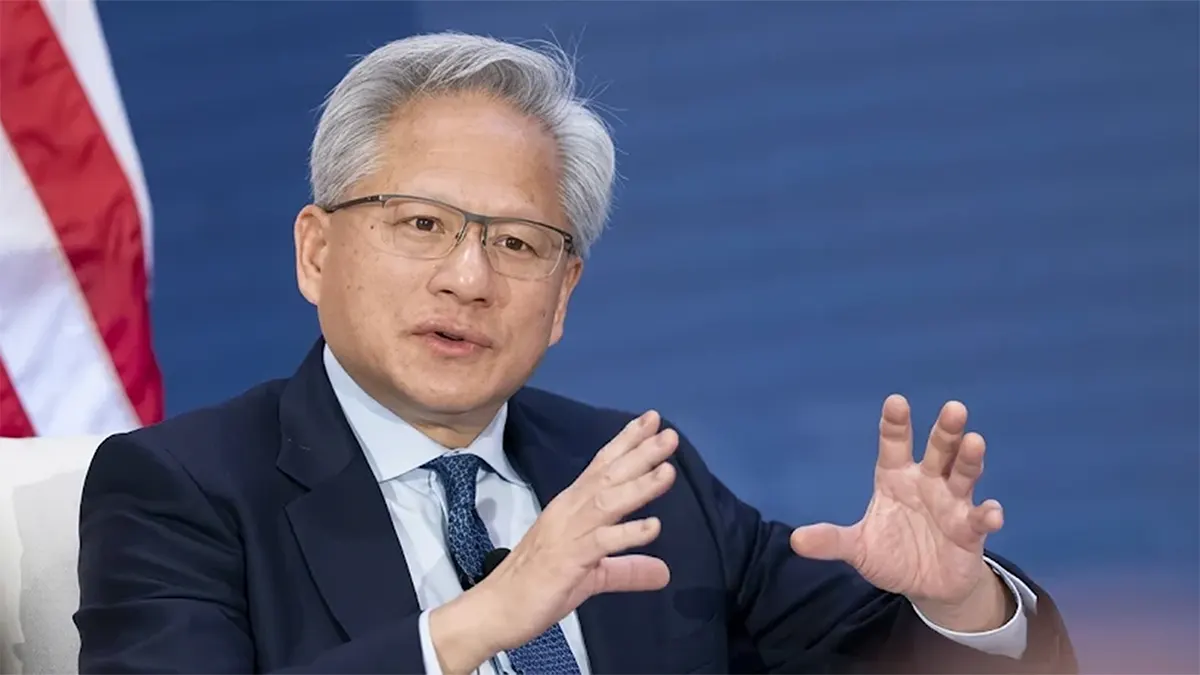
Nvidia’s board announced on Thursday, November 12, 2026, that Jensen Huang has resigned as president, CEO and board member, effective immediately. The exit ends a 33-year run at the AI chip giant he co-founded in 1993. Our earlier report covered how the controversy built. This article covers what happened next, who is in charge now, and what it means for the stock.
A Total Exit, Not a Soft Landing
Many founders step back into a role like executive chairman. Huang did not. He has no board seat, no executive title and no formal advisory role left at the company.
That matters for a company under federal scrutiny. With the FBI, Congress and an independent board committee all examining Nvidia, any informal control by Huang would carry serious legal and disclosure risks for him and the board. Public companies must be clear about who holds decision-making power, so a “shadow CEO” arrangement would be hard to hide.
Huang does keep one tie to the company. He is still its largest individual shareholder, with roughly 3.5%. That gives him financial and voting influence as an investor, but day-to-day control now rests with the interim CEO and the board.
The Second Report That Changed the Picture
According to the board’s announcement, the resignation followed a week of escalating scandal. The final blow reportedly came one day earlier. On Wednesday, November 11, The New York Times reported that Huang also had an undisclosed affair with Kimberly Powell, Nvidia’s Vice President of Healthcare. Huang has not confirmed this.
Powell, 48, joined Nvidia in 2008 and reported directly to Huang. Both are married to other people. The Times cited five current or former employees, who said some staffers knew about the relationship. Two sources said the pair were seen showing affection at a San Jose hotel during an Nvidia AI conference in March 2026. The Times said it had not seen any such footage.
The report raised a fresh governance problem. Nvidia’s workplace policies tell employees to avoid personal relationships that create conflicts of interest, and this one involved a direct report. Huang had already apologized to employees over the Alice Huang matter, but this second report reportedly became the tipping point for the board. When the Times contacted him, Huang declined to address it directly, saying, “I don’t think you should be talking to me directly.” Powell later pulled out of a scheduled appearance at the Milken Institute’s Future of Health Summit in Washington.
Colette Kress: The Safe Pair of Hands
Taking over as interim CEO is Colette Kress, Nvidia’s Chief Financial Officer for more than 13 years. She will keep her CFO duties while the board searches for a permanent successor, looking at both internal and outside candidates.
Kress joined Nvidia in 2013, after a two-year search, when it was mainly a graphics chip maker with about $4.1 billion in annual revenue. Under her financial watch, that grew to $215.9 billion in fiscal 2026. Her background includes:
- Early career: corporate finance roles at Texas Instruments.
- Microsoft (1997–2010): 13 years, ending as CFO of the Server and Tools division.
- Cisco (2010–2013): CFO of its Business Technology and Operations Finance organization.
- Education: a finance degree from the University of Arizona and an MBA from SMU’s Cox School of Business.
Beyond the numbers, Kress has walked analysts through every earnings call of the AI boom. Apart from Huang, she is the Nvidia executive investors know best. She also directed strategic investments in AI startups and oversaw large data center lease commitments and shareholder returns. In 2025 she became one of the few non-founder CFOs to reach billionaire status.
The board’s choice makes sense because Huang ran a famously flat company with dozens of direct reports and no chief operating officer, leaving no obvious number two. Analysts describe Kress as the “safest pair of hands.” The flip side is that her career is in finance, not chip engineering. Wall Street sees her as a steady caretaker rather than a long-term product visionary.
How Much Value Has Nvidia Lost This Week?
The answer depends on where you start counting, and the figures shift as trading continues. Since last Friday, November 6, when Nvidia was worth about $4.5 trillion at $186.64 a share, estimates of the lost value run from roughly $700 billion to nearly $890 billion. The week unfolded in three steps:
- Monday, November 9: After news of the board probe and Huang’s admission, shares fell about 5.7% to $176.24, erasing around $247 billion in one day.
- Tuesday and Wednesday: Reports of the second affair and growing FBI and congressional scrutiny pushed the stock to $173.73 by Wednesday’s close. Nvidia briefly dropped to third place in global market value, behind Apple and Microsoft.
- Thursday, November 12: Shares plunged 10% to 13% at the open, hitting an intraday low near $149.79. Nvidia’s value fell below $4 trillion for the first time since July 2025.
Measured from the October record high, the stock is down roughly 35%, or about $2 trillion. Some of that reflects a wider pullback in AI stocks, not only the scandal.
Why Wall Street Fears a Bumpy Recovery
Investors see a real key-person risk. Huang was the AI industry’s chief evangelist, and his keynote remarks could move whole sectors. He also leaned on personal ties with world leaders, including President Donald Trump, to navigate U.S.–China export rules. Without him, analysts expect tougher scrutiny in Washington and less diplomatic leverage.
Deal-making is another worry. Much of Nvidia’s recent growth came from Huang personally arranging large investments in AI labs, cloud providers and suppliers. A finance chief is built for discipline, not for that kind of ecosystem building. Studies of large U.S. companies also show that when a high-performing CEO leaves abruptly without a groomed successor, stocks often lag for years.
Rivals see an opening. AMD and Broadcom shares rose on the news, and Google, Microsoft and Amazon now have a better story for pushing alternatives.
The Case for a Rebound
Nvidia still has strong foundations. Chip roadmaps are planned years ahead, and its next-generation architectures, including Rubin, are already engineered. Its CUDA software remains the industry standard for millions of AI developers, so customers can’t switch overnight.
The price is also lower. After the sell-off, Nvidia trades at about 12 times forward earnings, its cheapest level since November 2012. Value-minded investors often step in when a dominant company gets this cheap, especially if demand holds up. History offers hope as well. Apple after Steve Jobs and Microsoft after Bill Gates both recovered, though analysts say Nvidia would need to recruit a respected technical leader rather than leave a finance executive in charge for long.
The Test Comes Tuesday
Nvidia says its operations, customer commitments and product roadmap will continue without interruption. It will still report third-quarter earnings as scheduled on Tuesday, November 17, with revenue guided at $108 billion. It will be Kress’s first call as interim CEO and the first without Huang.
Two things will decide whether the stock steadies or slides further. One is whether Kress can show that customer orders aren’t pausing. The other is how fast the board names a permanent, engineering-led CEO. Analysts have mentioned internal candidates such as Senior VP Ian Buck, as well as outside semiconductor heavyweights.