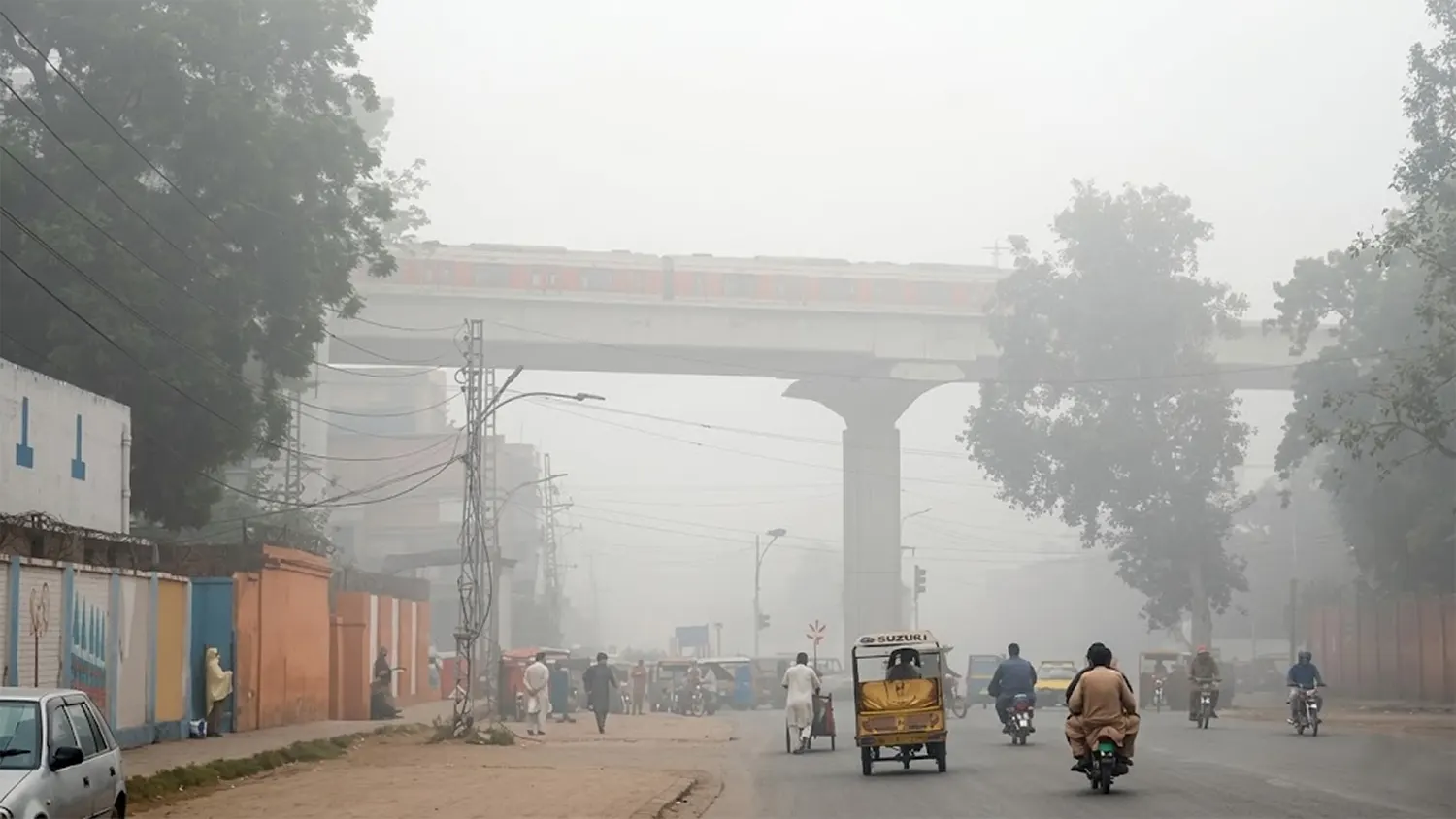
Have you ever stepped outside and felt like the air just… isn’t right?
Maybe your eyes sting a little. Maybe your throat feels dry. Or maybe it’s that faint haze in the distance that never quite disappears.
For millions of people in Pakistan, this isn’t occasional, it’s everyday life. In fact,
the country is now ranked the most polluted in the world, with air quality levels that are more than 13 times higher than what’s considered safe.
So what’s really going on and why does it feel so hard to fix?
What’s Actually in the Air We’re Breathing?
Let’s break it down simply.
One of the biggest concerns is something called PM2.5, which refers to tiny particles in the air so small you can’t see them, but small enough to enter your lungs and bloodstream.
Think of it like invisible dust that never settles.
In Pakistan, these levels average around 67.3 µg/m³, while the safe limit is just 5 µg/m³. That gap isn’t small, it’s massive.
And that’s where the real concern begins.
Three Everyday Habits Driving the Crisis
The surprising part? Much of this pollution comes from things we see every day.
1. Factories and Brick Kilns
Across the country, there are thousands of brick kilns and factories releasing smoke into the air.
Many still use outdated technology and burn low quality fuels, including coal, rubber, and even plastic.
That means the air fills up with toxic chemicals and black carbon, creating a constant layer of pollution.
2. Traffic and Low Quality Fuel
Now think about traffic.
Old buses, smoky trucks, and rickshaws running on low grade fuel are a major contributor especially in cities like Lahore, where transport accounts for nearly 70% of pollution.
The problem? Pakistan still relies heavily on older fuel standards, which produce far more harmful emissions than cleaner alternatives used elsewhere.
3. Seasonal Crop Burning
Then comes what many people call “smog season.”
Every year, farmers burn leftover crops to prepare for the next planting cycle.
It’s quick and cheap but it releases huge amounts of smoke.
During winter, that smoke gets trapped close to the ground due to weather conditions
that act like a lid, turning entire cities into a haze filled zone.
And that’s when things get really serious.
When Pollution Turns Into a Health Crisis
This isn’t just about dirty air, it’s about health.
Right now, air pollution is cutting the average lifespan in Pakistan by up to 4 years.
That’s not a small number.
Hospitals are already feeling the pressure, with respiratory cases rising by 40% during peak smog periods.
It affects everyone but especially:
- Children
- Elderly people
- Anyone with asthma or breathing issues
And once you connect those dots, the urgency becomes impossible to ignore.
So… Is Anything Being Done About It?
The short answer is yes but it’s complicated.
In recent years, the government has started taking more serious, large scale action to tackle the problem.
A New “War on Smog” Approach
Authorities have launched thousands of inspections and even shut down factories that break environmental rules.
They’ve also introduced:
- Fines for polluters
- Real time air quality monitoring systems
- A push toward cleaner industrial practices
It’s a shift from reacting to smog… to actually trying to prevent it.
And that’s a step forward.
Smart Solutions (That You Might Not Expect)
Some of the newer efforts are surprisingly creative.
For example:
- Zig Zag brick kilns reduce emissions by up to 60%
- Anti smog guns spray fine mist to trap dust in busy areas
- Water units are deployed to quickly stop crop fires
These may sound small but together, they can make a noticeable difference.
Still, there’s a bigger issue underneath it all.
The Setback No One Saw Coming
Just when progress seemed possible, a major challenge hit.
Due to rising fuel costs and global shortages, Pakistan recently allowed the use of
low grade diesel again, fuel that is up to 50 times more polluting than cleaner alternatives.
It was meant as a short term solution to keep things running.
But the trade off? More pollution in the air.
And this is where the situation becomes frustrating.
Why It Feels Like One Step Forward, Two Steps Back
Even with improvements, pollution levels are still extremely high.
Yes, some cities have seen slight progress but the reality is:
- Air quality is still far above safe limits
- Health risks remain widespread
- Long term solutions are still incomplete
It’s like cleaning one part of a room while another keeps getting messy.
A Small but Hopeful Shift: Electric Vehicles
Now for some good news.
As fuel prices rise, more people are turning to electric vehicles (EVs) especially bikes
and scooters.
In fact, EVs now make up over 10% of new two wheeler sales, and the government plans to support millions more.
It’s not a full solution but it’s a step toward cleaner everyday choices.
So, What Can We Actually Do?
It’s easy to feel overwhelmed but small actions still matter.
Here are a few simple ways to reduce your impact:
- Use public transport or carpool when possible
- Support clean energy and eco friendly products
- Avoid burning waste or contributing to local pollution
- Stay informed and support policies that protect the environment
Even small shifts, when multiplied across millions of people, can create real change.
The Bigger Picture: A Shared Responsibility
At the end of the day, this isn’t just a government issue or a farmer issue or an industry issue.
It’s something that affects all of us every single day.
The air we breathe connects everything.
And while the problem is complex, the path forward is clear: cleaner choices, stronger policies, and collective awareness.
Because one simple truth remains
We can’t choose the air we breathe… but we can choose how we protect it.