A fragile peace effort is unfolding in western China and the outcome could determine whether South Asia slides into a wider conflict.
In the city of Urumqi, officials from Pakistan and Afghanistan are locked in urgent negotiations. After weeks of escalating violence, these talks brokered by China
represent one of the last opportunities to prevent a full scale war between the two neighbors.
What makes this moment particularly significant is not just the intensity of the conflict but who is trying to stop it.
The Root of the Conflict
The current crisis did not emerge overnight, it is the result of months of escalating
cross border tensions.
In late February 2026, Pakistan launched a major military campaign known as Operation Ghazab lil-Haq. Its forces carried out airstrikes deep inside Afghan territory, including near Kabul, targeting militants from the Tehreek-e-Taliban Pakistan (TTP).
This marked a dramatic escalation: Pakistan was no longer containing threats at its border, it was projecting force directly into Afghanistan.
The Afghan Taliban government responded quickly. Artillery and mortar fire were directed at Pakistani border posts, turning the frontier into an active conflict zone.
The human cost has been severe. One of the most controversial incidents involved a strike on a drug treatment center in Afghanistan, which Kabul claims killed over 400 people.
That single strike pushed relations to one of their lowest points in decades.
Talks in Urumqi
With both sides now describing the situation as “open war,” the urgency for diplomacy has reached a breaking point.
Talks began on April 1 and are continuing into April 2, with delegations from both countries meeting under Chinese mediation. These are not symbolic discussions, they are technical, security focused negotiations involving officials from foreign ministries, military leadership, and intelligence agencies.
China’s involvement is deliberate and strategic. Beijing requested the talks, concerned that a destabilized Afghanistan could become a haven for militant groups threatening its western regions, including those linked to the East Turkestan Islamic Movement (ETIM).
At the core of the discussions is a simple but critical objective:
Can both sides agree to a ceasefire and more importantly, can they trust each other to uphold it?
Why This Is a Major Regional Shift
The location and leadership of these talks signal a profound shift in global diplomacy.
Previous mediation attempts by countries like Qatar, Turkey, and Saudi Arabia failed to produce lasting results. Now, China has stepped in, not as a neutral host, but as an emerging regional power broker.
This reflects a broader trend: a move away from Western led conflict resolution toward regional solutions led by Asian powers.
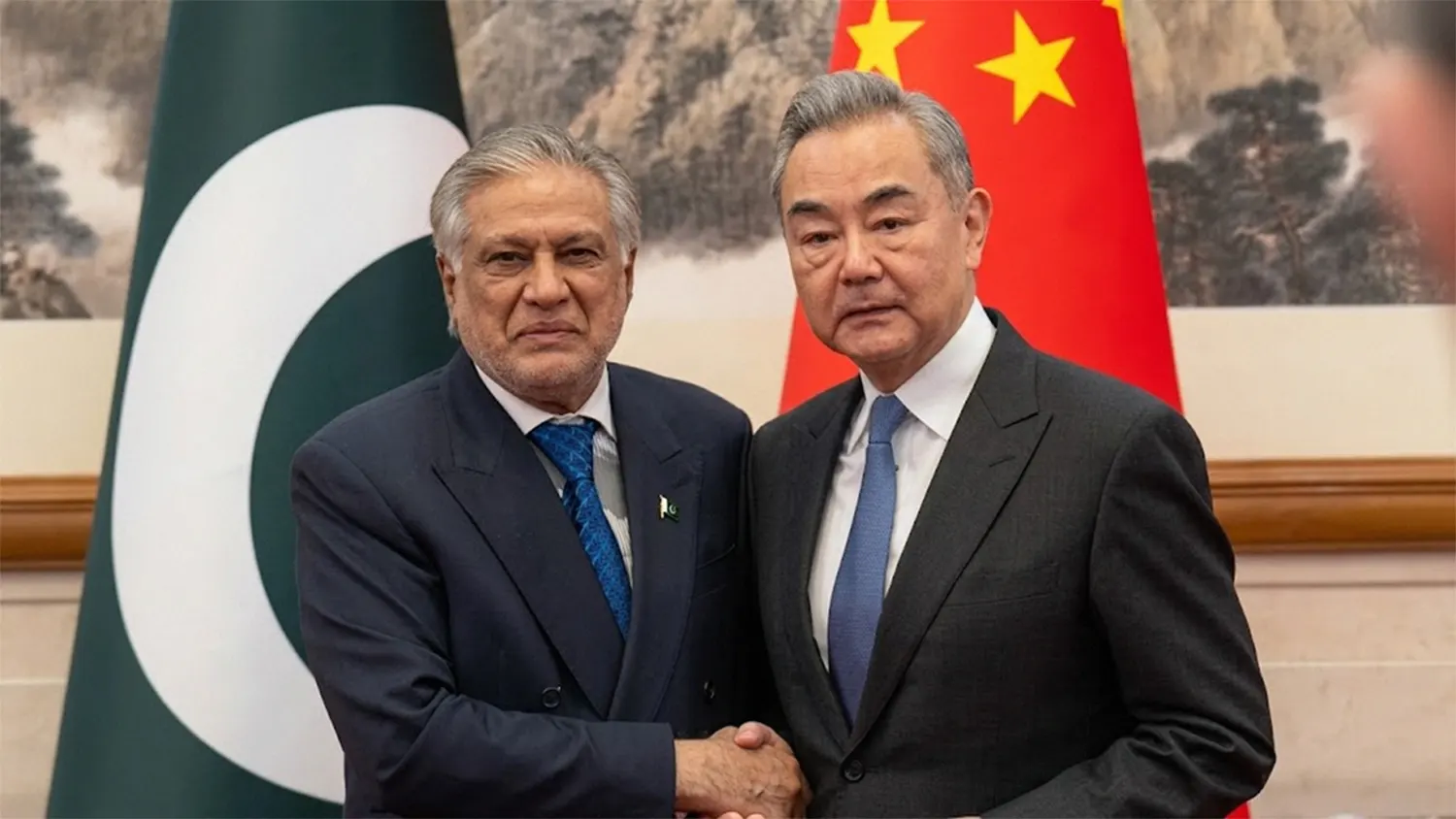
At the same time, the talks are unfolding alongside Pakistani diplomatic activity in Beijing. Reports suggest discussions may also touch on tensions involving the Strait of Hormuz, hinting at Pakistan positioning itself as a broader diplomatic player.
In effect, multiple geopolitical threads are converging in one place and China is at the center of them.
What’s Happening Inside the Talks
Despite the high stakes, negotiations are being conducted quietly by design.
Unlike previous efforts in Doha or Istanbul, which collapsed under public scrutiny, the Urumqi dialogue has been kept deliberately low profile. Officials only confirmed the meetings after signs of “meaningful progress.”
Both sides have sent technical teams rather than top political leaders. Pakistan’s delegation includes senior military and intelligence figures, while Afghanistan’s team represents its interior, defense, and intelligence apparatus.
Meanwhile, China and Pakistan have introduced a broader diplomatic framework a “Five-Point Initiative” emphasizing:
- Protection of civilian infrastructure
- Restraint during negotiations
- Avoidance of further escalation
This initiative is meant to create a diplomatic environment where a ceasefire can actually hold.
The Biggest Obstacles
Despite cautious optimism, two major issues are blocking a breakthrough.
1. The Verification Problem
Pakistan’s position is firm: there can be no ceasefire without a system to verify that militant groups are not operating from Afghan soil.
This is where negotiations hit a wall.
Afghanistan denies that the TTP operates within its borders. Pakistan insists the threat is real and ongoing. Without agreement on basic facts, designing a verification mechanism becomes nearly impossible.
2. Fighting Hasn’t Stopped
Even as talks continue, violence persists along the border.
Reports of artillery fire in Afghanistan’s Kunar province during the negotiations highlight a dangerous reality: diplomacy is happening in parallel with active conflict.
This creates political pressure on both sides. Leaders must justify negotiations to hardliners at home while still responding to attacks on the ground.
Why the Next 48 Hours Matter
Time is not on the side of diplomacy.
Pakistan has already declared a state of “open war” with the Afghan Taliban. If these talks fail to produce at least a temporary de escalation, another round of airstrikes is likely.
Such a move would not only intensify the conflict, it could collapse the diplomatic
process entirely.
For both countries, the stakes are also economic. Closed border crossings like Torkham and Chaman have choked trade, hurting Afghanistan’s fragile economy and limiting Pakistan’s access to Central Asian markets.
A ceasefire is not just about security, it’s about economic survival.
A Narrow Window to Avoid War
The Urumqi talks are a quiet but critical test of a changing world order.
On one level, they are about stopping a war between two volatile neighbors. On another, they represent a broader shift: China stepping forward as a regional security guarantor in a space once dominated by Western diplomacy.
So far, there is no final agreement, no “white smoke.” But the fact that both sides have stayed for a second day of talks is a small but meaningful sign.
Whether that momentum leads to peace or collapses into deeper conflict may become clear within days, not weeks.