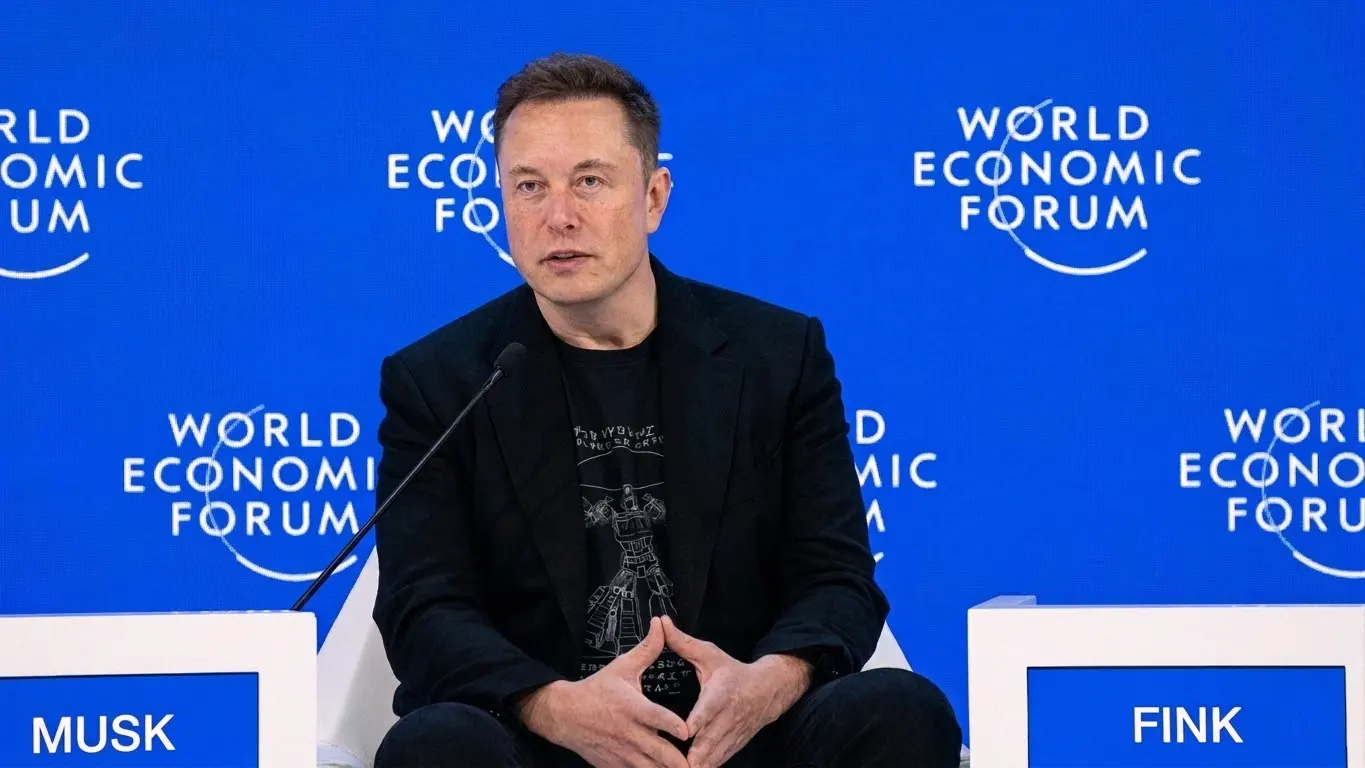
A federal jury has delivered a rare blow to one of the world’s most powerful business figures.
Elon Musk has been found liable for misleading investors, marking a significant turning point after years of high profile legal wins. The case centers on his chaotic 2022 attempt to acquire Twitter (now X), a deal that reshaped not just a company, but now the legal boundaries of executive speech.
This isn’t just about one billionaire or one acquisition. It’s about what happens when a tweet moves billions of dollars.
A Jury Draws the Line on Market Moving Tweets
The lawsuit came from former Twitter shareholders who argued they lost money because of Musk’s public statements during the $44 billion takeover process.
At the center of the case were two tweets from May 2022 both now deemed
misleading.
The first, posted on May 13, read:
“Twitter deal temporarily on hold…”
The message suggested the acquisition was paused over concerns about fake accounts.
But legally, that wasn’t possible.
Musk had already signed a binding merger agreement and waived further due diligence.
That meant the deal couldn’t simply be “on hold.”
The impact was immediate. Twitter’s stock dropped nearly 10% after the post, shaking investor confidence and triggering a wave of selling.
The Tweet That “Could Not Move Forward”
Four days later, Musk escalated.
In a May 17 tweet, he wrote that the deal “cannot move forward” until Twitter’s CEO proved that fake accounts made up less than 5% of users.
That statement became the second key piece of evidence.
The jury found this claim crossed the line from opinion into a misleading factual assertion.
In court, experts testified that Musk’s repeated claim suggesting up to 20% of accounts were fake was not grounded in reliable data. Instead, it appeared to stem from rough speculation.
At one point during this period, Musk even responded to the CEO’s public explanation with a poop emoji, a detail highlighted in court to show he wasn’t engaging in a serious technical debate, but publicly undermining the company.
Because of this, jurors concluded the bot issue may have been used as leverage, either to renegotiate the deal or push the stock price lower.
For investors, the effect was real: uncertainty drove decisions, and many sold at a loss.
Why Some Statements Were Protected
Not everything Musk said during that period led to liability.
The jury also reviewed comments he made at the All In Summit on May 16, where he suggested a lower deal price was “not out of the question.” They also examined remarks from a podcast appearance.
In both cases, Musk was cleared.
The distinction came down to one key factor: opinion vs. fact.
- The tweets were treated as definitive, factual claims
- The live comments were seen as speculative opinions
That legal line proved decisive. Opinions are protected. Misleading factual statements are not.
$2.6 Billion in Damages And How It’s Calculated
The financial consequences are substantial.
Estimated total damages: $2.6 billion.
That figure breaks down into:
- $2.1 billion for shareholders
- $500 million for options traders
- A per-share payout of $3 to $8, depending on when investors sold
While the final number is still being calculated, the structure is clear: investors who sold during the uncertainty window are being compensated for losses tied to Musk’s statements.
For Musk personally, the penalty is significant but not destabilizing.
His net worth is estimated at over $800 billion, depending on valuation methods, largely tied to companies like Tesla and SpaceX. Some estimates place it lower due to private holdings, but the scale remains the same.
Even so, this marks a milestone:
It’s the first time a jury has held him financially accountable for the market impact of his social media activity.
Not a Conspiracy But Still a Violation
There’s an important legal nuance in the verdict.
The jury did not find Musk guilty of a broader “scheme to defraud.”
Instead, they concluded that the specific tweets were misleading but not part of a
pre planned conspiracy.
That distinction matters.
It suggests the jury saw his actions as reckless or negligent, rather than deliberately orchestrated fraud, a partial win for his legal team, and a key factor in the upcoming appeal.
The Legal Fight Isn’t Over
Musk’s lawyers have already signaled their next move.
An appeal is expected, with the firm Quinn Emanuel calling the verdict a “bump in the road.”
Given Musk’s history of overturning or reducing legal setbacks, the case may not end here.
However, the ripple effects are already forming.
Because of this ruling, regulators like the SEC may feel more confident pursuing related cases, including an ongoing investigation into Musk’s delayed disclosure of his Twitter stake in early 2022.
In short, this verdict could invite more scrutiny not less.
A New Rulebook for CEO Influence
Beyond the courtroom, this case touches a broader shift in business culture.
Today’s CEOs are no longer just executives, they are public figures with massive, real time influence.
A single tweet can move markets, shape narratives, and trigger billions in gains or losses.
This ruling sends a clear signal:
If your words move markets, they can also carry legal consequences.
For founders, executives, and investors alike, the message is simple but powerful.
The era of casual, market moving posts may be coming to an end.