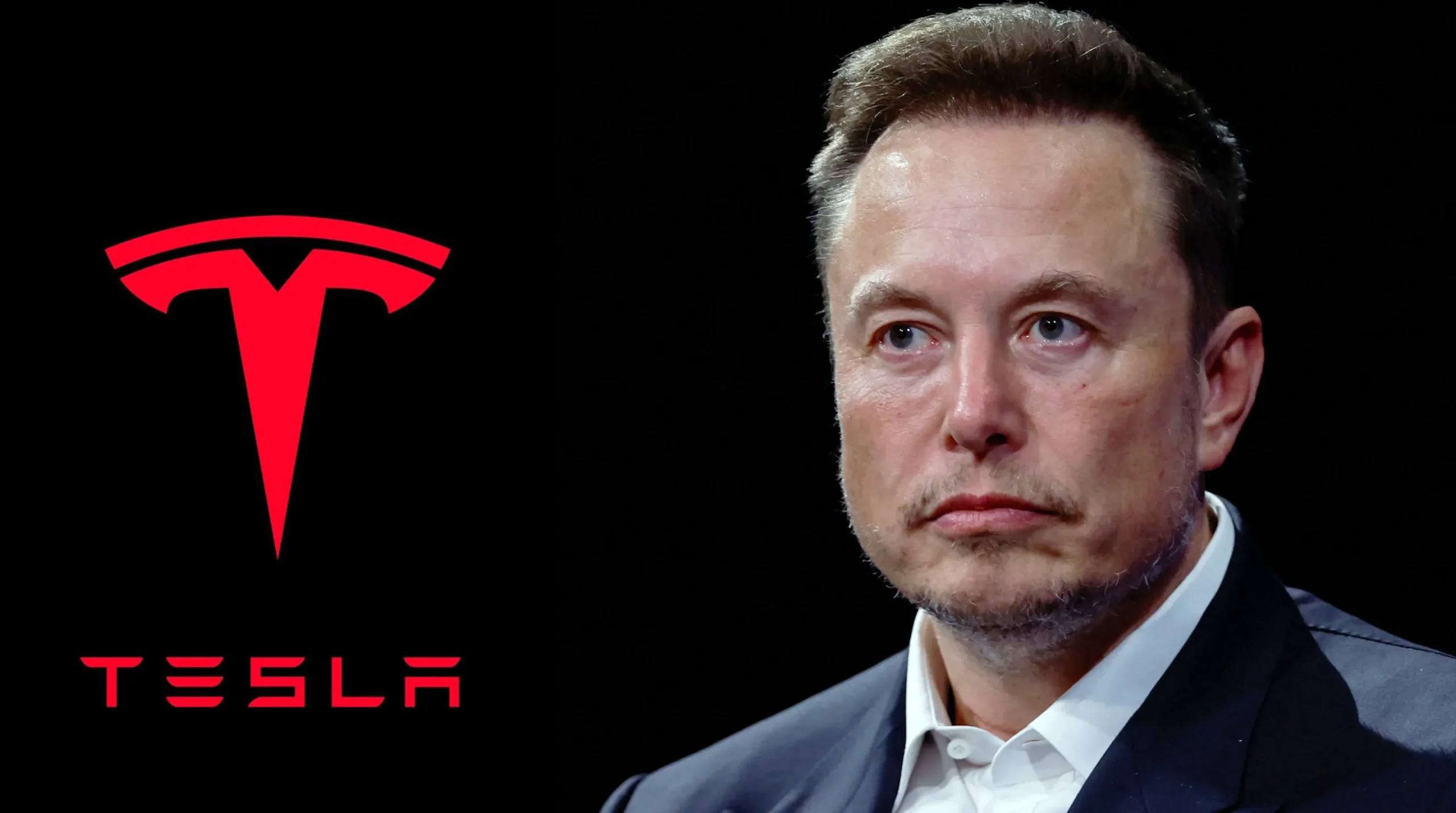
There are big CEO pay packages, and then there’s whatever Tesla just proposed for Elon Musk. We’re not talking about a raise. We’re talking about a compensation plan so large it’s difficult to fully comprehend and one that comes with conditions so extreme that pulling it off would fundamentally change the shape of the global economy.
A Pay Package Unlike Anything Corporate History Has Seen
Tesla’s board of directors has put forward a new compensation plan for Musk that could be worth up to $1 trillion over the next decade. There’s no salary. No cash bonuses. No guaranteed payout of any kind. The entire package is structured as performance-based stock options, Musk gets nothing unless Tesla hits a series of targets that would make even the most optimistic analyst pause.
To understand just how extraordinary this is, consider the baseline. Musk’s previous pay deal the one from 2018 was already considered one of the most aggressive in corporate history, valued at around $56 billion. At the time, it made him the highest-paid CEO in the world by a wide margin. Other top executives like Apple’s Tim Cook or Nvidia’s Jensen Huang typically earn in the hundreds of millions annually.
This new plan is nearly 18 times larger than the 2018 package and its total value is close to Tesla’s entire current market capitalization.
The board’s reasoning? That traditional compensation structures simply don’t apply to Musk. Their argument is that his leadership is so singular, his vision so central to what Tesla is trying to become, that the only way to properly align his incentives with shareholders is to make the reward as outsized as the mission itself.
The Targets That Would Have to Come True
For Musk to collect the full payout, Tesla would need to clear a set of milestones that read less like a business plan and more like a science fiction outline.
Tesla’s market value would need to climb from roughly $1.1 trillion to $8.5 trillion. That would make it the most valuable company in the world by a distance that would leave Apple, Microsoft, and every other tech giant far behind.
Annual vehicle production would need to hit 20 million units per year, a twelvefold increase from where Tesla stands today. Achieving that would require a manufacturing expansion on a scale the auto industry has never seen.
One million fully autonomous robotaxis would need to be in active commercial operation, alongside the delivery of one million Optimus humanoid robots. These two targets are arguably the most telling, they signal that Tesla’s board sees the company’s future tied far more to AI and robotics than to selling electric cars.
And then there’s the financial target that’s hardest to sit with: annual profits would need to rise from around $17 billion to $400 billion. For context, no company in the world currently comes close to generating that kind of profit.
The Legal Shadow Hanging Over the Whole Thing
This plan doesn’t arrive in a vacuum. It comes while Tesla is still dealing with the fallout from Musk’s last pay package, the 2018 deal that a Delaware judge ruled was improperly awarded.
The court’s core finding was that the approval process lacked adequate shareholder oversight and that Tesla’s board failed to demonstrate the payout was genuinely necessary to keep Musk on board. It was a significant blow to how Tesla had structured its executive compensation, and the legal battle isn’t fully resolved.
Tesla has since reincorporated in Texas, partly to escape Delaware’s stricter corporate governance framework, and is appealing the ruling. The new legal environment in Texas may give the board more room to push this package through but critics argue that the move itself is a red flag, a signal that Tesla is choosing a friendlier legal jurisdiction rather than genuinely addressing the governance concerns that sparked the original ruling.
Shareholder rights groups are already raising alarms. Their concern isn’t just about the size of the payout, it’s about what concentrating this much reward in one person does to corporate accountability, and how much existing shareholders would be diluted if the stock options are exercised at scale.
The Question Nobody Can Fully Answer
Even if the legal path clears and shareholders approve the deal, there’s a more fundamental question that the board has to answer: is Elon Musk actually focused on Tesla?
Musk simultaneously runs SpaceX, X (formerly Twitter), Neuralink, and xAI. Each of those is, by itself, a full-time endeavor for most people. Tesla’s package does require him to remain with the company for up to ten years, and the final portions of the payout are contingent on him presenting a credible succession plan. But requiring a succession plan is a long way from guaranteeing the kind of singular focus the board is betting on.
That tension sits at the center of the whole proposal and it’s one that shareholders will have to weigh carefully when the vote comes around in November.
What This Means Beyond Tesla
If this package gets approved, it won’t just be a story about one company and one executive. It’ll open a broader debate in boardrooms around the world about what visionary leadership is actually worth and whether the logic of tying astronomical rewards to astronomical outcomes is something other companies should be emulating or avoiding.
The underlying question is a genuinely hard one: if a single person’s decisions and reputation can create or destroy hundreds of billions in value, does normal compensation math even apply?
Tesla’s board has placed its bet. The answer is no and the number they’ve put on the table is $1 trillion.
Whether that bet looks like genius or recklessness will depend entirely on what the next decade actually delivers.