A planned Ebola quarantine facility in Nanyuki has ignited one of the most contentious debates in Kenya, placing public health, international diplomacy, and constitutional accountability on a collision course.
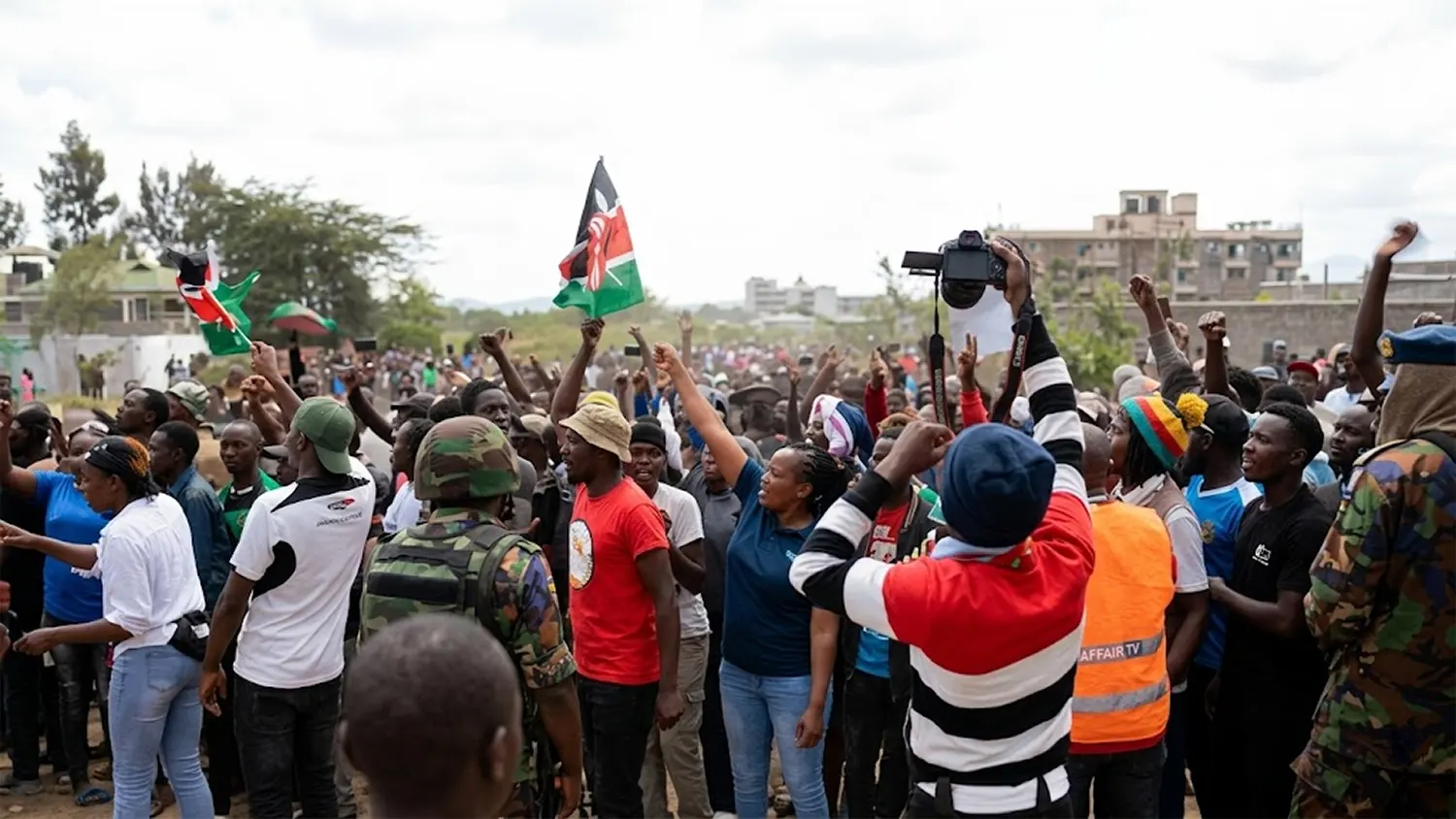
What began as a health-security initiative quickly evolved into a national controversy, drawing opposition from local residents, medical unions, legal advocacy groups, and political leaders. At the center of the dispute is a simple but emotionally charged question: Who is the facility really meant to protect?
A Health Security Project Meets Public Resistance
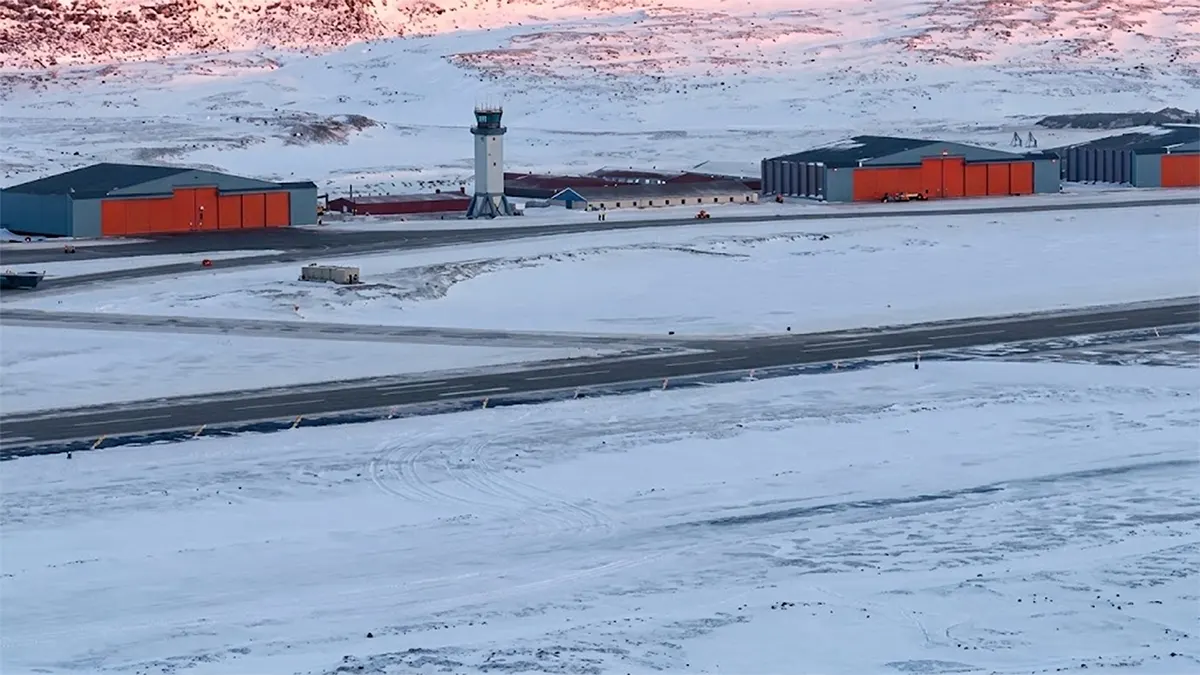
The proposed quarantine center was planned at Laikipia Air Base near Nanyuki, a strategic location in central Kenya. Supporters described the facility as part of a broader effort to strengthen regional preparedness against Ebola outbreaks in East and Central Africa.
However, critics viewed the project very differently.
For many residents and activists, the facility represented more than just a medical installation. It symbolized concerns about foreign influence, national sovereignty, and the possibility that Kenya was being asked to shoulder risks that wealthier nations were unwilling to accept themselves.
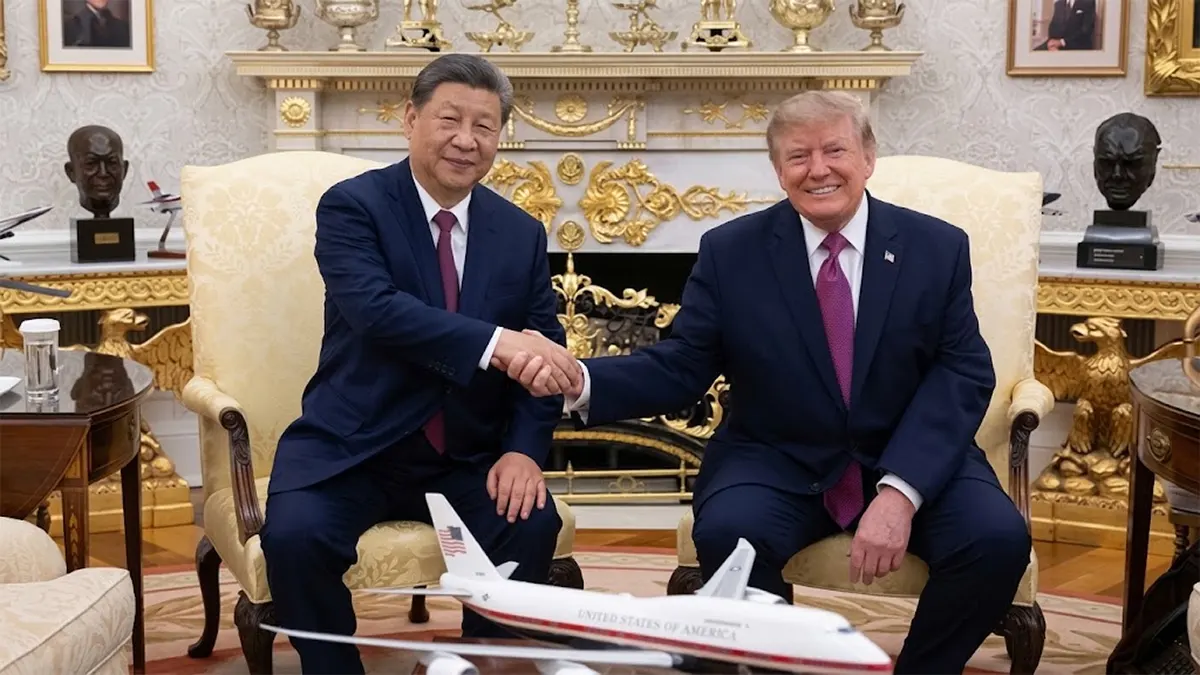
Those concerns intensified as details emerged suggesting the facility would be used to manage potential Ebola exposures linked to American citizens operating in the region.
Why Ebola Triggers Unique Public Anxiety
Unlike many infectious diseases, Ebola carries a powerful psychological impact.
The virus is associated with severe symptoms, high fatality rates in some outbreaks, and widespread media attention. Even when facilities are designed with advanced containment systems, nearby communities often fear the possibility of accidents, operational failures, or human error.
This reaction is not unique to Kenya.
Across the world, communities have frequently opposed high-containment laboratories, quarantine centers, and hazardous waste facilities through what experts often describe as the “Not In My Backyard” phenomenon. While governments may emphasize safety protocols, local residents typically focus on what could happen if those systems fail.
For many people in Nanyuki, the prospect of hosting an Ebola-related facility raised exactly those concerns.
The Question That Fueled Public Outrage
Much of the backlash stemmed from reports that the facility’s original purpose was to quarantine and treat American citizens potentially exposed to Ebola in neighboring countries.
According to critics, the arrangement created the impression that the United States wanted a regional containment site outside its own borders rather than transporting potentially infected individuals back to American soil.
That perception sparked accusations of a double standard in global health security.
Opponents argued that if the risk was considered too great for one country, it should not automatically be transferred to another. The debate quickly moved beyond medical preparedness and entered the realm of political symbolism.
For critics, the facility became a test case for how international partnerships should balance shared responsibility and national interests.
Nanyuki Residents Caught in the Middle
While diplomatic discussions took place at the highest levels of government, local communities found themselves at the center of the controversy.
Nanyuki serves as an important commercial hub and gateway to tourism destinations around Mount Kenya. Residents worried that any association with Ebola could damage the area’s reputation, discourage visitors, and affect local businesses.
There were also concerns about workers employed at or near Laikipia Air Base. Community leaders questioned whether local civilian staff would face unnecessary exposure risks if containment measures ever failed.
Even if experts considered the likelihood of an outbreak extremely low, residents argued that they would be the ones living closest to the consequences.
A Constitutional Challenge Reaches the Courts
The controversy eventually shifted from public demonstrations to the legal arena.
Civil society organizations and legal groups challenged the project, arguing that authorities had failed to conduct adequate public consultation before moving forward.
Their position reflected a broader principle increasingly shaping governance across Africa and beyond: major national projects require meaningful public participation, particularly when they involve health, safety, or environmental concerns.
The case prompted judicial scrutiny of how the agreement had been negotiated and whether constitutional requirements for transparency had been fully respected.
The legal challenge transformed the dispute from a local protest into a national debate about accountability and government decision-making.
Aid, Diplomacy, and Public Trust
Supporters of the project argued that the facility represented another chapter in the long-standing health partnership between Kenya and the United States.
For decades, American funding has supported Kenyan programs targeting HIV/AIDS, infectious diseases, and emergency health preparedness. Government officials defended the initiative as part of that broader cooperation.
Yet opponents insisted that financial support alone could not overcome public concerns.
The controversy highlighted a reality often overlooked in international development and health security planning: community trust is just as important as funding, infrastructure, or technology.
Without local buy-in, even well-financed projects can face significant resistance.
Why the Debate Extends Beyond Kenya
The Nanyuki dispute is being watched closely because it reflects a larger challenge facing global health systems.
Modern outbreaks frequently cross borders, requiring international cooperation, rapid response networks, and regional treatment capacity. At the same time, communities increasingly demand transparency regarding projects that affect their safety and livelihoods.
The result is a delicate balancing act.
Governments must prepare for global health threats while also respecting local concerns, constitutional processes, and public participation requirements.
The debate surrounding the Ebola facility demonstrates that health security is no longer solely a medical issue. It is also a question of governance, public confidence, and national sovereignty.
The Bigger Lesson
Whether the facility ultimately moves forward or remains stalled, the controversy has already delivered a powerful lesson.
In today’s interconnected world, public health initiatives cannot rely solely on diplomatic agreements or technical expertise. Communities expect transparency, accountability, and a meaningful voice in decisions that affect them.
As governments and international partners prepare for future health emergencies, the experience in Nanyuki may serve as a reminder that successful biosecurity strategies depend not only on containment walls and medical equipment, but also on public trust.