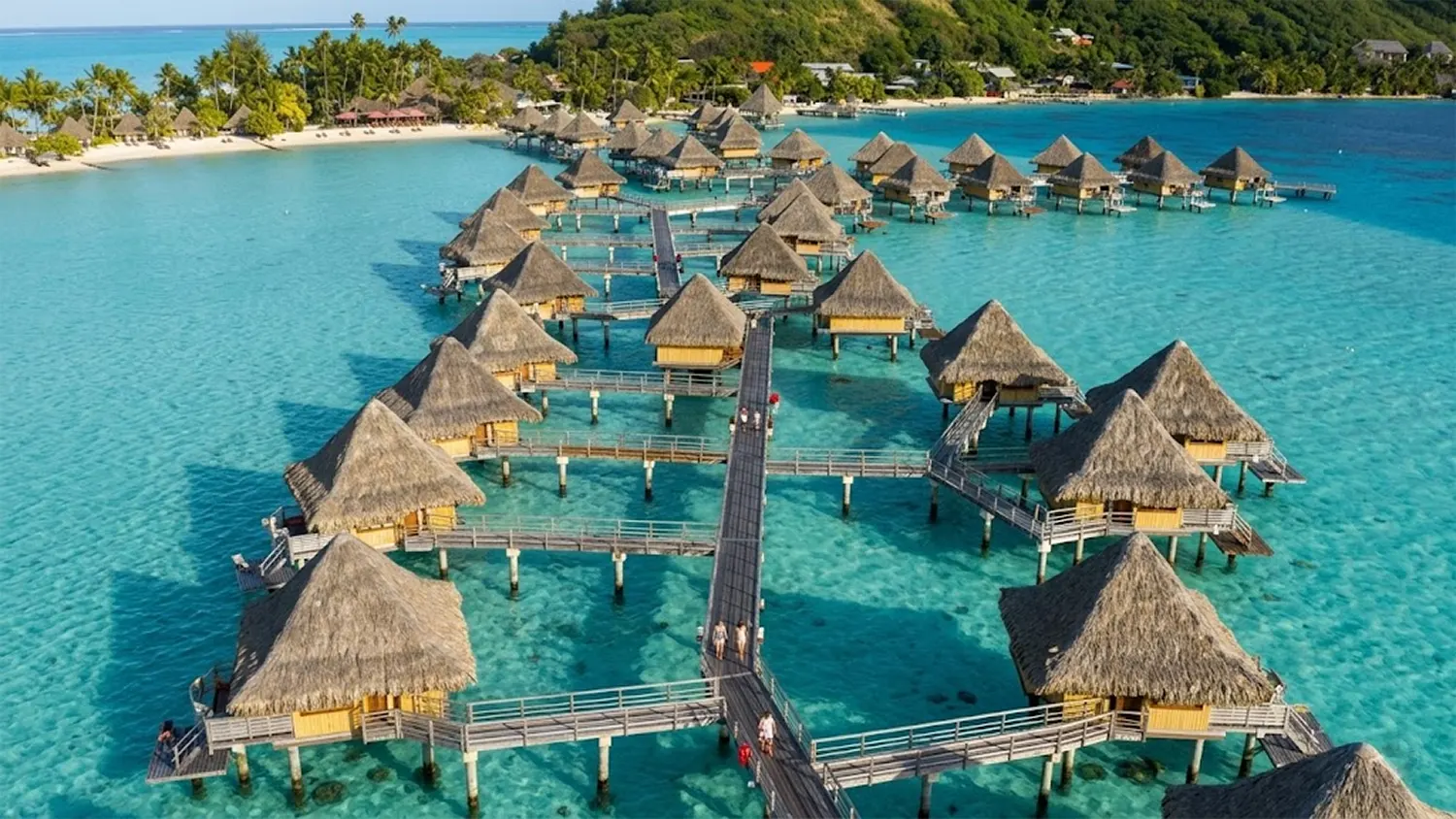
Imagine taking a deep breath and knowing the air you’re breathing is among the cleanest on Earth. No smog, no haze, no faint smell of exhaust just fresh, ocean washed air. That’s everyday life in French Polynesia, a group of islands in the South Pacific that now holds the title for the cleanest air in the world.
But here’s the surprising part: this isn’t just luck. It’s the result of nature, smart choices, and careful planning working together.
So how did this island paradise pull it off and what can the rest of us learn from it?
Why French Polynesia’s Air Is So Exceptionally Clean
Let’s start with a simple comparison. Scientists measure air pollution using something called PM2.5, tiny particles in the air that are so small you can’t see them, but they can enter your lungs. The World Health Organization says safe levels should stay below 5 µg/m³.
In French Polynesia, the average is just 1.8 µg/m³, which is nearly three times cleaner than the global safety limit. Even more striking, that number improved by 28% in just one year.
That kind of clean air doesn’t happen by accident.
First, there’s geography. These islands sit in the middle of the Pacific Ocean, far away from factories and big cities. Think of it like living in the middle of a vast, natural “air purifier.” Fresh ocean winds constantly sweep through, bringing in clean maritime air and pushing pollution away.
But nature doesn’t work alone here.
How the Ocean and Wind Act Like a Natural Air Filter
One of the most fascinating reasons for this clean air is something scientists call the “maritime scrubbing effect.” In simple terms, the ocean helps clean the air.
Sea spray and rain act like tiny washing machines, pulling pollution particles out of the atmosphere. Imagine dust settling after a light rain, that’s essentially what’s happening on a much larger scale. The result is air that gets naturally cleaned before people even breathe it.
At the same time, steady trade winds move like a constant breeze through the islands. These winds don’t just cool things down, they prevent pollution from building up in the first place.
But even with perfect natural conditions, human activity could still ruin the balance. That’s where careful decisions come in.
A Different Approach to Energy: Cleaner Power, Cleaner Air
While many places rely heavily on fossil fuels, French Polynesia has taken a different path. The islands are shifting toward clean energy solutions that reduce pollution at the source.
One standout example is something called Sea Water Air Conditioning (SWAC). Instead of using electricity heavy air conditioners, buildings pump cold water from deep in the ocean to cool rooms. It’s like using nature’s own refrigerator and it can cut energy use by up to 90%.
On top of that, solar power is everywhere. Many homes use solar water heaters and rooftop panels, reducing the need for diesel-powered electricity.
The result? Less fuel burned, fewer emissions released, and cleaner air for everyone.
But energy is only part of the picture.
Why Limiting Tourism Actually Protects the Air
Here’s a counterintuitive idea: fewer tourists can mean cleaner air.
Unlike other tropical destinations that welcome millions of visitors, French Polynesia follows a “quality over quantity” tourism strategy. Instead of mass tourism, they focus on smaller numbers of visitors who stay longer and travel more sustainably.
To put it into perspective, the islands receive about 300,000 visitors a year roughly what Hawaii sees in just one week.
This approach reduces traffic, cuts down on boat and car emissions, and avoids overloading infrastructure. In everyday terms, it’s like hosting a small dinner party instead of a crowded festival, less chaos, less waste, and a lighter impact on the environment.
And that same thinking extends to how people move around.
Cleaner Transport, From Roads to Lagoons
Transportation is a major source of pollution worldwide. But here, even getting around is changing.
Electric cars and e-bikes are becoming common, especially on smaller islands. There’s also a shift toward solar powered boats, replacing traditional fuel powered engines that pollute both air and water.
Even city design plays a role. In the capital, Papeete, buildings are designed to allow natural airflow instead of trapping heat and pollution. Wide spaces and open layouts let the wind do its job.
All these small choices add up to one big result: less pollution in the air people breathe every day.
The Global Gap: Why This Matters to Everyone
Now consider this: while people in French Polynesia breathe air at 1.8 µg/m³, residents in some major cities face levels above 80 µg/m³.
That’s more than 40 times higher.
This gap isn’t just a statistic, it’s a reminder of how environment, policy, and daily habits shape the air around us. Clean air isn’t out of reach, but it does require intentional decisions and long term thinking.
So what can the rest of us take from this island success story?
What You Can Do for Cleaner Air Starting Today
You don’t need to live on a remote island to make a difference. Small actions can still have a real impact.
Start simple:
- Choose walking, biking, or public transport when possible
- Use energy efficient appliances at home
- Support clean energy options in your community
Even reducing waste or planting greenery can help improve local air quality. Think of it like adding drops to a bucket each small step contributes to a larger, healthier environment.
A Breath of Hope
French Polynesia shows that clean air isn’t just a dream, it’s achievable. By combining natural advantages with smart human choices, they’ve created a place where every breath feels fresh.
The bigger lesson is this: while not every place can replicate their geography, many can follow their mindset.
And if more communities begin to prioritize clean energy, thoughtful planning, and sustainable living, the air we breathe everywhere can start to feel a little lighter.