The war between the United States, Israel, and Iran has entered its most volatile phase yet.
On March 10, 2026, massive air raids struck the Iranian capital of Tehran while Iranian ballistic missiles targeted U.S. forces and regional allies across the Middle East. What began less than two weeks ago as a series of strategic strikes has now evolved into a multi front regional conflict with global economic consequences.
As missiles cross borders and oil markets react in real time, the stakes extend far beyond Iran’s territory. Energy security, regional stability, and the broader balance of power in the Middle East are now on the line.
The Heaviest Bombardment of Tehran
A City Under Air Raid
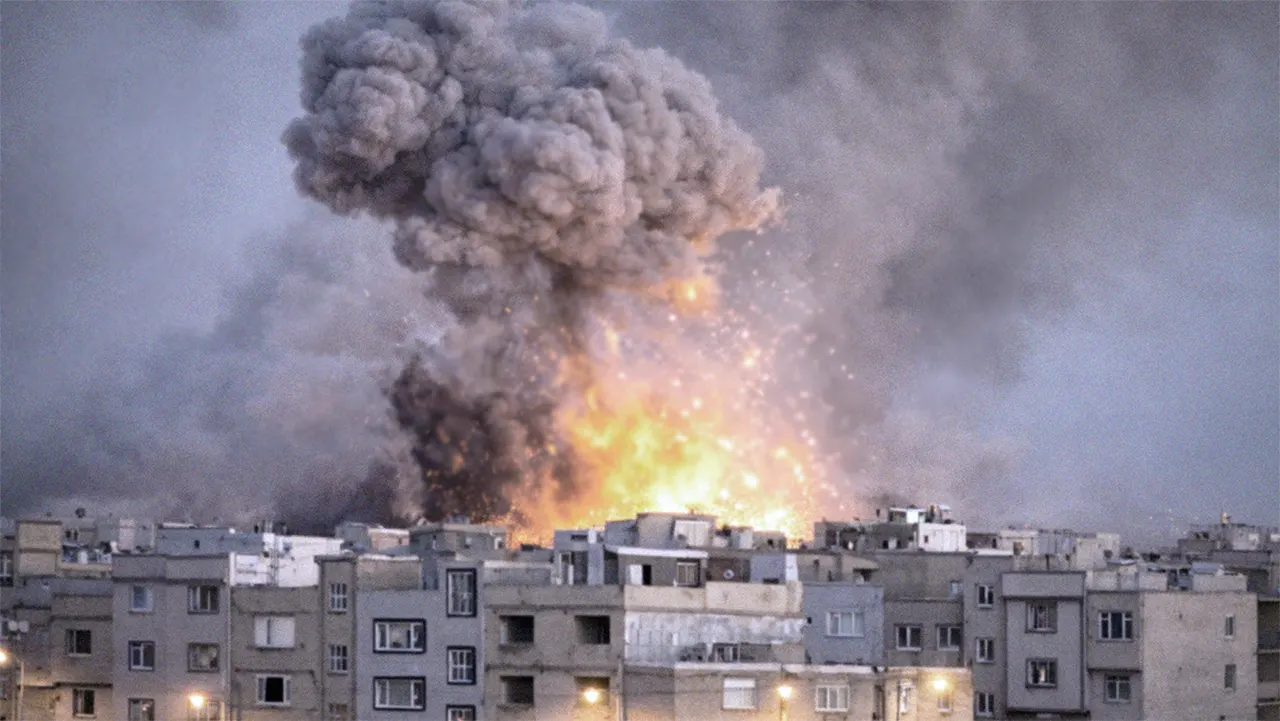
Tehran experienced the most intense aerial bombardment since the war began on February 28.
Residents across the Iranian capital reported more than 20 powerful explosions as Israeli forces carried out what the military described as a “wide scale wave of strikes” targeting key infrastructure.
The attacks mark a shift from earlier strikes that focused largely on remote military facilities. This time, the conflict reached deep into the metropolitan heart of Iran’s capital, amplifying both the psychological and humanitarian impact.
For millions of residents, the sound of repeated explosions and rising plumes of smoke signaled that the war has now arrived at their doorstep.
Strategic Targets: Iran’s Military Infrastructure
The strikes focused on high value military and logistical targets linked to the Islamic Revolutionary Guard Corps (IRGC), the powerful military organization that oversees much of Iran’s missile and drone programs.
Among the reported targets:
- IRGC drone command facilities
- Imam Hossein University, an IRGC training hub
- The Shahran oil depot and Shahr-e fuel storage facilities
- Dozens of ammunition bunkers and logistics centers
U.S. Central Command released thermal imaging showing mobile ballistic missile launchers being targeted while concealed beneath bridges and within dense urban infrastructure.
The strategic objective appears clear: cripple Iran’s ability to launch missiles and drones before they can be deployed.
However, the proximity of many targets to residential districts has increased the risk of civilian casualties. Semi official Iranian sources reported around 40 casualties following strikes near Resalat Square, where nearby residential buildings were reportedly damaged.
The “Black Rain” Crisis
Beyond the explosions themselves, the bombardment has triggered a disturbing environmental phenomenon now referred to by residents as “black rain.”
Large fires at oil depots and fuel storage facilities sent thick clouds of soot into the atmosphere, which later mixed with passing rain clouds.
The result was dark, contaminated rainfall falling across parts of Tehran, causing widespread reports of:
- burning eyes
- respiratory distress
- skin irritation
Hospitals across the city have reportedly seen a surge in patients suffering from smoke inhalation and chemical related symptoms.
The phenomenon highlights how attacks on energy infrastructure can produce cascading environmental and humanitarian consequences far beyond the immediate blast zone.
Iran’s Retaliation: Missiles and Drones Across the Region
Attack on U.S. Forces in Iraq
Iran responded rapidly to the bombardment with a ballistic missile strike targeting American forces.
The Islamic Revolutionary Guard Corps (IRGC) confirmed that five ballistic missiles were launched toward Al-Harir Air Base in the Kurdistan region of Iraq, a facility hosting U.S. personnel.
While regional air defenses intercepted several incoming projectiles, the strike demonstrated Iran’s willingness to directly retaliate against American military assets.
Regional Escalation
The retaliation extended beyond Iraq.
Iran and its regional partners launched additional missile and drone attacks across several Gulf states, including:
- Saudi Arabia
- The United Arab Emirates
- Kuwait
The UAE Ministry of Defence confirmed that its air defense systems intercepted multiple incoming missiles and drones, while Bahrain reported its first civilian fatality of the conflict after missile debris struck a residential building in Manama.
These attacks suggest Tehran is attempting to widen the pressure on U.S. allies throughout the region.
NATO and Turkey Drawn Into the Tension
The conflict is also beginning to brush against NATO territory.
For the second time in a week, a ballistic missile heading toward Turkey was intercepted by NATO air defense systems, with debris reportedly landing far from the interception site.
Turkish President Recep Tayyip Erdoğan responded with a sharp warning, stating that violations of Turkish airspace “cannot be excused for any reason.”
If missile activity continues to threaten NATO territory, the conflict risks expanding beyond the Middle East entirely.
A Political War of Words
Trump’s Optimistic Timeline
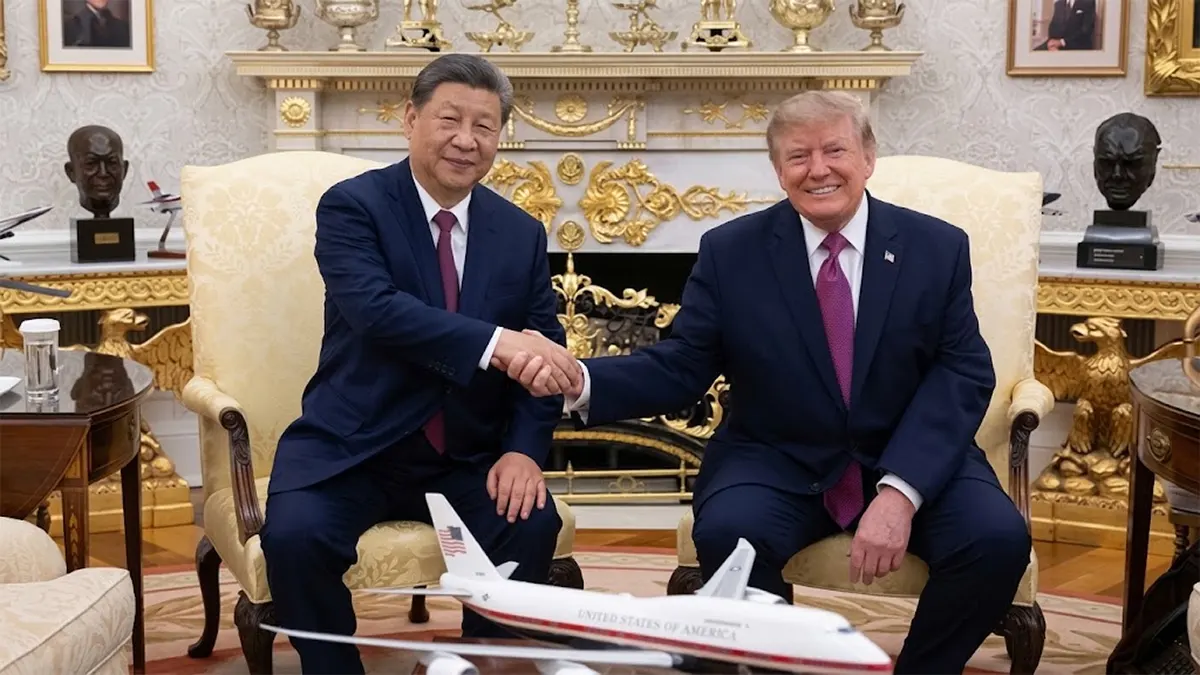
Despite the escalating violence, U.S. President Donald Trump has projected confidence that the campaign is nearing its conclusion.
Speaking at an event in Florida, Trump described the war as a “short term excursion” and claimed U.S. and Israeli forces are “far ahead of schedule.”
He also stated that Iran’s navy has been “effectively decimated,”
claiming that 46 ships have been destroyed during the conflict.
However, independent verification of the exact number of destroyed Iranian vessels is still ongoing, and military analysts note that confirming naval losses during an active conflict can take time.
Trump also suggested the United States is considering “taking over”
the Strait of Hormuz to guarantee global oil shipments if Iran attempts to block the waterway.
Such a move would represent one of the largest U.S. maritime interventions in decades.
Tehran’s Defiance
In Tehran, the response has been starkly different.
Following the death of Ayatollah Ali Khamenei earlier in the conflict,
his son Mojtaba Khamenei has assumed the role of Supreme Leader and adopted a confrontational stance.
Iranian Foreign Minister Abbas Araghchi confirmed that negotiations with the United States are “no longer on the agenda.”
Meanwhile, commanders within the Islamic Revolutionary Guard Corps have signaled a shift toward heavier ballistic warheads and expanded regional retaliation.
The message from Tehran is clear: Iran is preparing for a prolonged confrontation rather than a quick settlement.
Global Economic Shock: The Strait of Hormuz
Energy Markets on Edge
The military escalation has also sent shockwaves through the global economy.
The Strait of Hormuz, one of the world’s most important oil transit routes, has seen a sharp collapse in commercial shipping activity amid Iranian threats to disrupt energy exports.
Oil prices surged above $100 per barrel for the first time since 2022, triggering volatility across global markets.
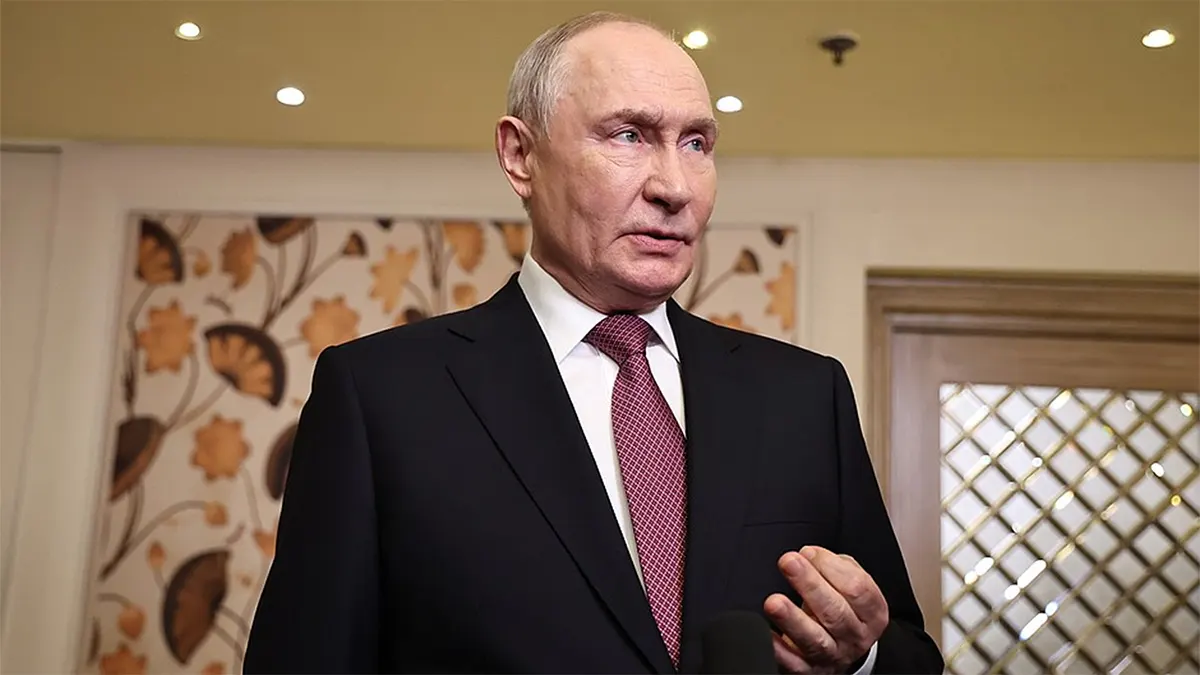
Prices briefly dipped following reports of a phone call between President Trump and Russian President Vladimir Putin discussing possible de escalation, but uncertainty remains high.
Energy traders are now reacting to each new military development in real time.
Humanitarian Concerns Growing
While geopolitical tensions dominate headlines, the humanitarian consequences of the war are mounting rapidly.
Reported casualty figures from the conflict have surpassed 1,200, according to estimates cited by regional officials and international monitoring groups. However, exact numbers remain difficult to verify, as information from active combat zones is tightly controlled by both sides.
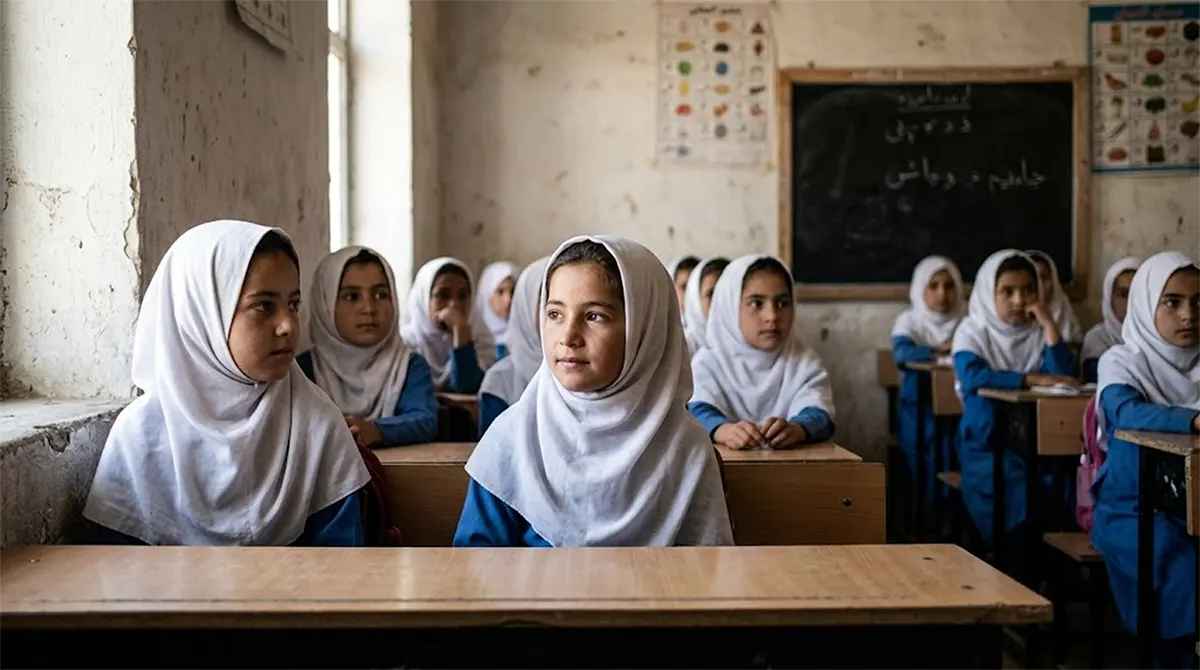
A particularly controversial incident involves a reported missile strike on a school in the southern Iranian city of Minab, where Iranian officials say around 170 people were killed.
Tehran has blamed the attack on U.S. and Israeli airstrikes, while President Trump has publicly suggested the explosion may have been caused by an Iranian missile malfunction.
The U.S. Pentagon has stated that the incident is currently under investigation, and independent confirmation of the cause remains limited.
What Happens Next
The conflict now stands at a critical crossroads.
Several developments could determine its next phase:
Control of the Strait of Hormuz
If the United States attempts to secure the shipping lane militarily,
the war could expand dramatically.
Iran’s regional missile strategy
Continued attacks on Gulf states risk pulling additional countries directly into the conflict.
NATO involvement
Repeated missile interceptions near Turkey raise the possibility of broader alliance involvement.
Internal pressure within Iran
Sustained air raids and infrastructure damage could test the resilience of Iran’s leadership.
Each of these factors could either push the conflict toward negotiations or deepen the cycle of escalation.
The War’s Turning Point
The March 10 bombardment of Tehran represents one of the most dangerous turning points of the war so far.
What began as targeted military operations has now evolved into
a multi front regional confrontation involving missile warfare, economic disruption, and growing humanitarian risks.
Washington believes the campaign could end soon.
Tehran is preparing for a long fight.
With missiles crossing borders, energy markets fluctuating, and regional powers on edge, the conflict is rapidly becoming one of the most consequential geopolitical crises in recent years.