A Rare Storm, A Growing Emergency
Hawaii is facing one of its most severe natural disasters in over 20 years.
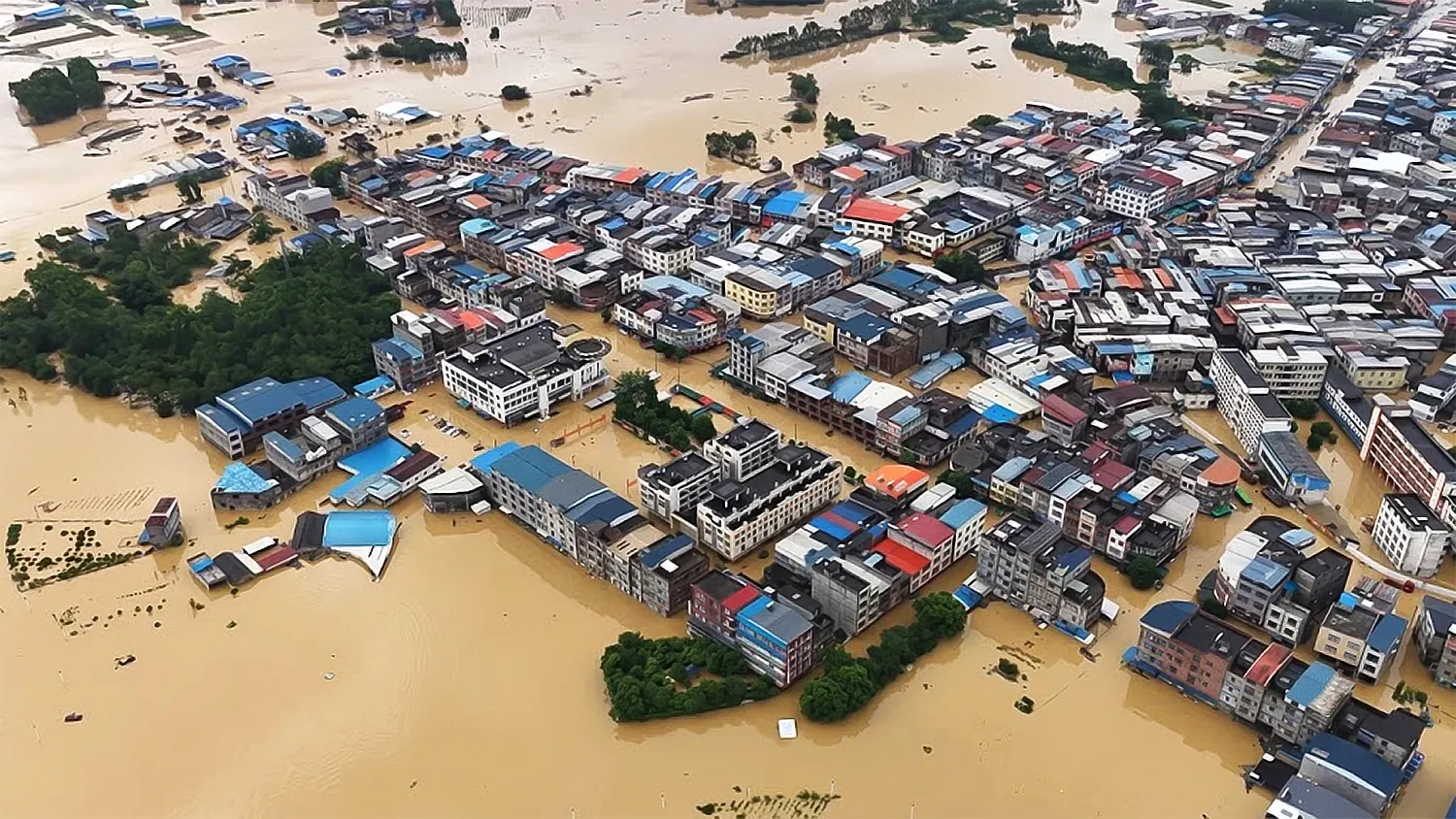
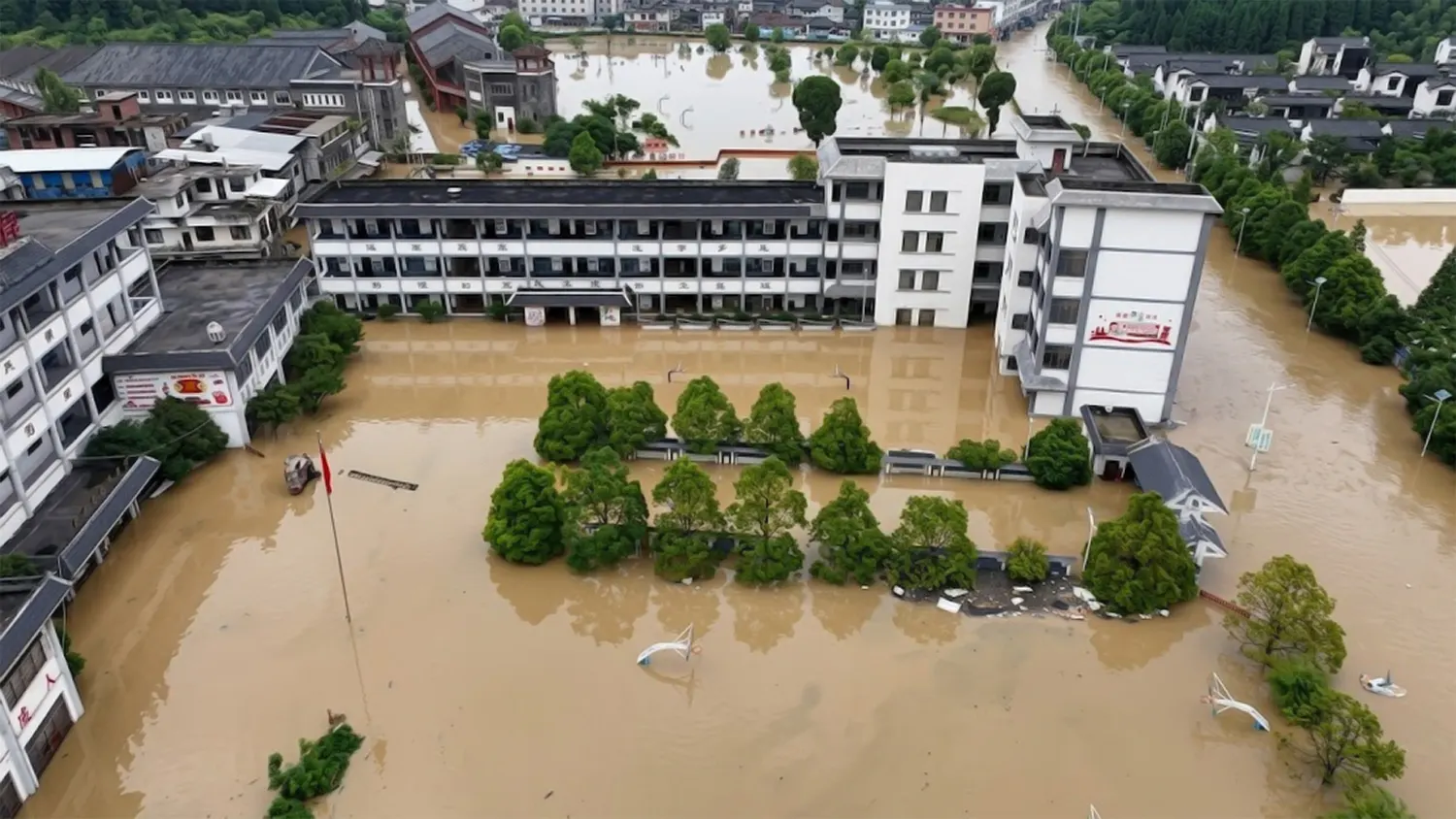
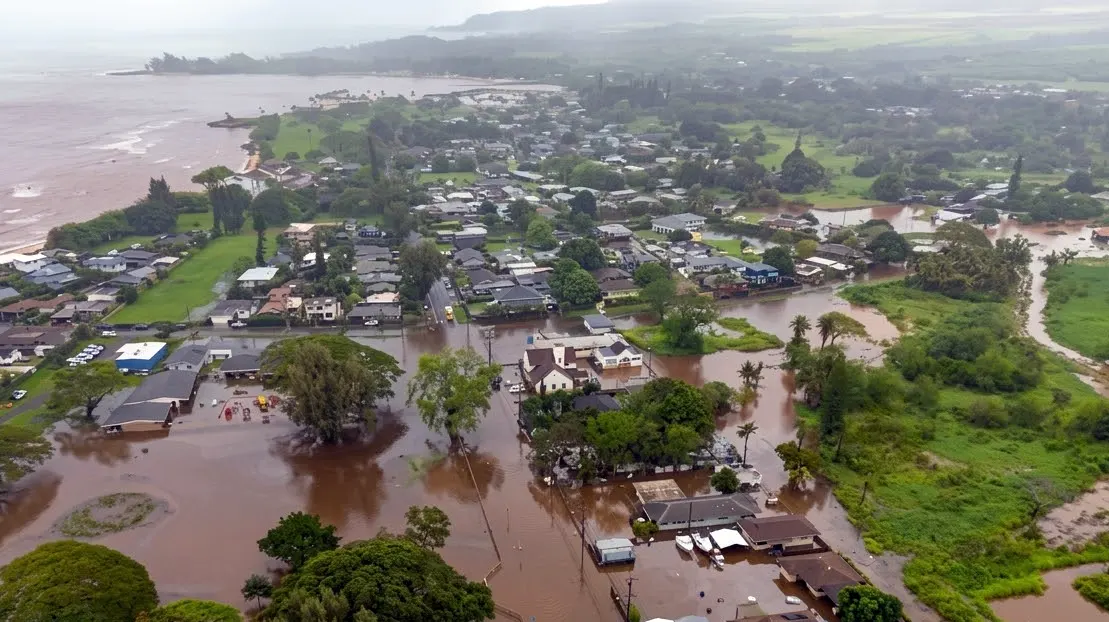
A powerful “Kona Low” storm system, a rare weather pattern known for prolonged rain and instability has unleashed catastrophic flooding across the islands. With up to 46 inches of rain recorded in just 10 days, communities are under threat, infrastructure is strained, and emergency services are working around the clock.
What makes this crisis especially concerning is not just the flooding itself but the chain reaction affecting power, travel, and public safety across the state.
The Immediate Danger: Wahiawa Dam Under Pressure
The most urgent threat remains the Wahiawa Dam (Lake Wilson).
This 120 year old dam, privately owned by Dole Food Company, has come under intense scrutiny as water levels surged dangerously close to capacity. At its peak, levels exceeded 85 feet, raising fears of catastrophic failure.
However, there is cautious movement toward stability.
Water levels have slightly receded to around 81.14 feet, allowing officials to begin a phased lifting of evacuation orders in some secondary areas.
That said, the danger is far from over:
- Evacuations remain in effect for the highest risk zones, including Haleiwa and Waialua
- Over 4,000 residents are still within the potential inundation zone
- Key evacuation routes remain vulnerable to flooding and washouts
If the dam were to fail, the resulting surge could still devastate downstream communities within minutes.
Emergency shelters at Leilehua High School and Mililani District Park remain open as a precaution.
A Deeper Issue: Infrastructure and Accountability
Beyond the immediate threat, this situation raises a broader concern.
The Wahiawa Dam has been criticized for delayed safety upgrades, which were previously mandated by state authorities. Its private ownership has added complexity to oversight and accountability.
This raises a critical question: could better infrastructure planning have reduced the risk?
As climate driven weather events become more extreme, aging systems like this dam are increasingly under pressure turning maintenance delays into potential disasters.
Why This Storm Is So Dangerous
To understand the scale of the crisis, it’s important to examine the nature of a Kona Low system.
Unlike fast moving storms, a Kona Low lingers over the islands, delivering sustained rainfall over many days. This leads to extreme soil saturation, where the ground simply cannot absorb more water.
The result is widespread and compounding damage:
- Landslides and sinkholes destabilize roads
- Rivers and drainage systems overflow rapidly
- Winds of 60–75 mph uproot trees and knock down power lines
This combination has severely impacted Oahu, Maui, and Hawaii Island, with critical routes like the Honoapiilani Highway partially closed.
Power and Infrastructure: Fragile but Recovering
The storm has placed enormous strain on Hawaii’s power grid but there has been significant progress.
At the height of the crisis, more than 120,000 customers were without electricity. Thanks to rapid response efforts, that number has dropped dramatically to around 218 customers as of Monday afternoon.
However, restoring power is not as simple as flipping a switch.
- Flooded homes must undergo electrical inspections before reconnection
- Power was proactively shut off in some areas to prevent fires
- Downed lines remain a serious hazard, with officials warning residents to keep at least 30 feet away
Even as electricity returns, risks from water damage and unstable infrastructure persist.
Meanwhile, a Boil Water Advisory remains in place for parts of the North Shore, signaling continued public health concerns.
Travel Chaos: Hawaii’s Air Network Disrupted
The flooding has also crippled Hawaii’s transportation system, isolating the islands at a critical time.
Honolulu’s Daniel K. Inouye International Airport (HNL) enforced an 8 hour ground stop from 8:00 AM to 4:00 PM HST, halting all flights during peak travel hours.
Now, operations are only gradually resuming in what experts describe as a “trickle phase.”
The disruption has been massive:
- Over 400 flights canceled
- Approximately 60,000 passengers affected
- Aircraft and crews stranded in the wrong locations
The ripple effect is expected to last through March 25.
This prolonged recovery is due to:
- Aircraft needing to be repositioned across multiple cities
- Crew rest requirements delaying schedules
- Near full flights due to spring break, limiting rebooking options
Airlines have issued flexible travel waivers, but delays remain widespread.
The Financial Toll: A Billion Dollar Impact
The economic consequences are already severe and still growing.
Governor Josh Green has estimated total damages could exceed $1 billion, reflecting widespread destruction across multiple sectors.
Notably, the estimate includes:
- Significant internal flooding at Kula Hospital on Maui
- Damage to homes, businesses, and public infrastructure
- Costs tied to emergency response and recovery
For a state heavily dependent on tourism, the travel disruption alone could have lasting economic effects.
Ongoing Risks: The Danger Isn’t Over
Despite signs of stabilization, officials stress that this crisis is far from resolved.
Key risks still facing residents include:
- Sudden flash flooding, even after rainfall slows
- Contaminated water supplies requiring boiling
- Electrical hazards from damaged systems and standing water
- Continued uncertainty surrounding the Wahiawa Dam
Authorities are urging residents to remain cautious and follow all official guidance.
What Comes Next: A Critical Window
The coming days will be decisive.
Emergency teams are focused on:
- Monitoring the Wahiawa Dam’s stability
- Restoring full power and utilities
- Reopening critical roads and transport routes
At the same time, airlines and authorities are working to normalize travel operations, though delays are expected to continue into mid week.
The key question now is whether conditions will continue to improve or take another turn for the worse.
A State Under Pressure
Hawaii’s Kona Low disaster is more than a weather event, it is a stress test of infrastructure, preparedness, and resilience.
From threatened dams and flooded communities to grounded flights and strained utilities, the crisis has exposed vulnerabilities across the system.
Yet recovery is underway.
The coming days will determine whether Hawaii can stabilize or face an even deeper emergency.