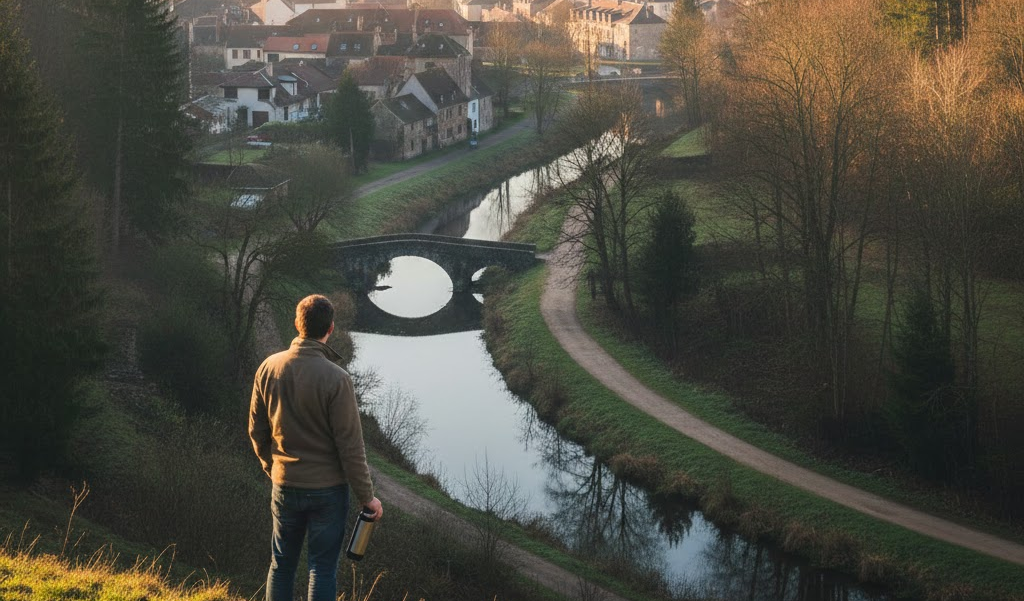
The 10-Mile Getaway: Redefining Adventure in 2025
We have been conditioned to believe that “adventure” requires a passport, a long flight, and months of planning. But the data tells a very different story. In 2025, more than 1.5 billion searches every month revolve around one phrase: “near me.”
The real frontier is not across an ocean. It is within a 10-mile radius of your front door.
Welcome to the era of the micro-adventure, a term popularized by British adventurer Alastair Humphreys and now embraced by a growing number of people who want excitement, restoration, and meaning without burnout, debt, or environmental guilt.
A micro-adventure is not a compromise. It is a smarter way to reclaim your weekends, your mental health, and your sense of curiosity.
Why Our Brains Crave “Small” Wins
From a psychological standpoint, novelty matters more than distance. The brain releases dopamine when it encounters something new whether that is a foreign city or a café you have never noticed two streets away.
Recent psychology research reinforces this idea. Studies on “adventure mindset” show that uncertainty and discovery, not geography, drive the emotional benefits of travel. Engaging in a new local experience can trigger the same dopamine and serotonin responses as an international trip.
This is why adopting a “tourist lens” can be transformative. When you walk through your own town as if you are visiting for the first time, familiar streets become sources of surprise rather than background noise.
The Hidden Health Dividend of Staying Local
Micro-adventures are not only enjoyable; they are clinically meaningful.
Research published between 2024 and 2025 highlights what experts call the “300-meter rule.” Individuals who live within 300 meters of accessible green space show a 20% lower risk of anxiety and depression. Even short walks or “micro-hikes” have been linked to sustained reductions in stress levels on standardized mental health scales.
There is also growing evidence around “blue spaces.” Rivers, canals, ponds, and coastlines provide an even stronger restorative effect than green spaces alone. Finding water within your local radius is one of the most effective ways to maximize the mental health return on your time.
In short, you do not need a long vacation for a reset. You need proximity, novelty, and intention.
The Three Pillars of Local Discovery
To make micro-adventures practical rather than abstract, it helps to think in three simple categories.
1. Nature: The Local Wild
Skip the main park everyone already knows. Instead, look at a map and search for steep contour lines (hills with views) or blue markings that indicate creeks and rivers you have ignored for years.
One surprisingly powerful ritual is the sunrise breakfast, a simple bowl of cereal or coffee on a park bench while the city wakes up. It reframes an ordinary morning into an expedition.
2. Culture: The Hidden Gems
Every town has overlooked cultural spaces: a small museum, a community workshop, or a historic building you have driven past hundreds of times.
Libraries deserve special mention. Many now offer culture passes that provide free access to museums, galleries, and botanical gardens. A “tourist for a day” library trip can feel like a curated city break without spending a pound.
3. Commerce: The Thrift and Taste Economy
Local exploration supports local livelihoods. Try a $10 thrift-store challenge to find the most “vacation-vibe” item you can. Or plan a café crawl, rating each stop on its people-watching quality or book-reading potential.
These small acts feed directly into the local economy, which is increasingly powered by day-trippers rather than overnight tourists.
Practical Strategies to Find Micro-Adventures
You do not need inspiration, you need systems.
The Circle Method:
Draw a 5- or 10-mile circle around your home. Pick a green space, water feature, or street name you do not recognize. That becomes your destination.
The Commute Flip:
If you usually drive, walk, bike, or take the bus. Slower movement reveals architecture, gardens, murals, and details invisible at 40 miles per hour.
The Random Direction Game:
At every third intersection, flip a coin. Turn left or right accordingly until you discover something worth stopping for.
Adventure follows motion.
The “Micro” Gear List
One of the strengths of micro-adventures is their simplicity. You need very little.
- A physical map (optional, but psychologically powerful)
- A thermos of tea or coffee
- A notebook or phone camera to document discoveries
The goal is not performance—it is presence.
The 5-to-9 Rule: Time Is the Real Luxury
A common misconception is that adventure requires an entire weekend. In reality, a micro-adventure can fit between 5 p.m. and 9 p.m. on a weekday.
A Tuesday evening picnic, a sunrise hike that ends by 10 a.m., or a short canal walk after work all qualify. These experiences reclaim hours that are otherwise lost to passive scrolling and digital fatigue.
The Digital Toolkit for Finding Hidden Gems
Several apps make local exploration effortless:
- AllTrails – Filter by “least trafficked” to find quiet routes nearby
- Geocaching – A global treasure hunt hidden in plain sight
- Fever – Excellent for discovering pop-up events and candlelight concerts
- MysteryHike – Turns walks into GPS-based scavenger hunts
Used sparingly, these tools enhance discovery without turning exploration into another productivity task.
Micro-Adventures by the Numbers
- Over 1.5 billion monthly searches for “things to do near me”
- 71% of travelers report that planning big trips is stressful
- 80%+ of travelers prioritize sustainable travel options
- Local tourism spending continues to grow annually, proving that the staycation economy is permanent
Micro-adventures are not a trend. They are a response to burnout, overtourism, and the desire for meaningful experiences without friction.
A Better Way to Live Locally
The most radical shift is mental, not geographical. When you stop waiting for “someday” and start exploring what is already around you, weekends become richer and more intentional.
You do not need a passport for discovery. You need curiosity, a map, and the willingness to step slightly off your usual path.
Your next great adventure is already nearby.