A federal judge in California has temporarily blocked the Trump administration from stripping legal protections from more than one million Venezuelan and Haitian migrants, delivering one of the most significant judicial setbacks yet to the administration’s immigration agenda.
The ruling, issued by Edward Chen in San Francisco, prevents the government from moving forward with plans to terminate Temporary Protected Status (TPS) for hundreds of thousands of immigrants who have built lives, careers, and families in the United States.
For now, the decision means many migrants can continue living and working legally without the immediate threat of deportation.
But beyond the immediate relief, the ruling also exposes a much larger constitutional fight unfolding inside the American immigration system: how far presidential power can go when federal law and humanitarian protections stand in the way.
The Court Said the Government Moved Too Fast and Broke the Rules
At the center of the case is the federal government’s attempt to end TPS protections for migrants from Venezuela and Haiti.
TPS was created by Congress to protect people from being deported back to countries facing war, political collapse, natural disasters, or other dangerous conditions. The status allows recipients to legally remain and work in the United States temporarily while their home countries remain unsafe.
The Trump administration argued that those protections should be terminated.
Judge Chen disagreed.
In a detailed 69-page opinion, the court found that the Department of Homeland Security likely violated the Administrative Procedure Act by attempting to rescind TPS protections without following proper legal procedures. Chen described the move as both “extraordinary” and “unusual,” noting that administrations from both political parties had historically followed a far more structured review process before ending TPS designations.
The judge also questioned whether Homeland Security Secretary Kristi Noem had the legal authority to reverse previously granted extensions in the manner the administration attempted.
Most importantly, the court concluded that ending the protections would cause “irreparable harm” to hundreds of thousands of people.
Families, Jobs, and Entire Communities Were Suddenly at Risk
The ruling affects approximately 600,000 Venezuelans and around 500,000 Haitians currently protected under TPS.
Many have lived in the United States for years. They work legally, pay taxes, operate businesses, and support families that include American citizens. Some arrived fleeing political collapse and economic devastation in Venezuela. Others escaped violence, instability, and humanitarian crises in Haiti.
Without TPS, many faced losing work authorization almost immediately.
Lawyers involved in the lawsuit said some migrants had already lost jobs or experienced detention and deportation fears due to the uncertainty surrounding the administration’s actions.
Judge Chen specifically highlighted the human consequences of abruptly ending protections. The court pointed to potential family separation, economic disruption, and the danger of forcing people back into countries that the U.S. government itself warns Americans not to travel to.
That humanitarian concern became central to the decision.
The ruling ensures TPS holders can temporarily maintain legal status and continue working while the legal battle moves through the courts.
Immigration Advocates See a Major Victory But the Fight Is Far From Over
Immigrant rights groups quickly celebrated the decision as a major legal and moral victory.
ACLU of Northern California, one of the organizations involved in the case, argued that the ruling reaffirmed a basic principle:
the executive branch cannot simply bypass federal law to achieve political goals.
The lawsuit itself was brought by the National TPS Alliance alongside TPS holders and civil rights groups. Plaintiffs argued that the administration’s attempt to terminate protections was not only unlawful but also politically motivated.
The Department of Homeland Security has signaled it will continue fighting the case.
Officials said the administration intends to use “every legal option” available to overturn the ruling, making an appeal highly likely.
And the legal history surrounding TPS suggests the battle may eventually reach the Supreme Court again.
Earlier court rulings involving Venezuelan TPS protections have already moved through federal appeals courts and, in some cases, reached emergency review before the Supreme Court.
That means the current relief could still prove temporary.
The TPS Fight Reflects a Larger Battle Over Executive Power
The case is about more than immigration policy alone.
It reflects an ongoing struggle between the executive branch and the federal judiciary over the limits of presidential authority in areas ranging from immigration enforcement to federal administration and civil rights.
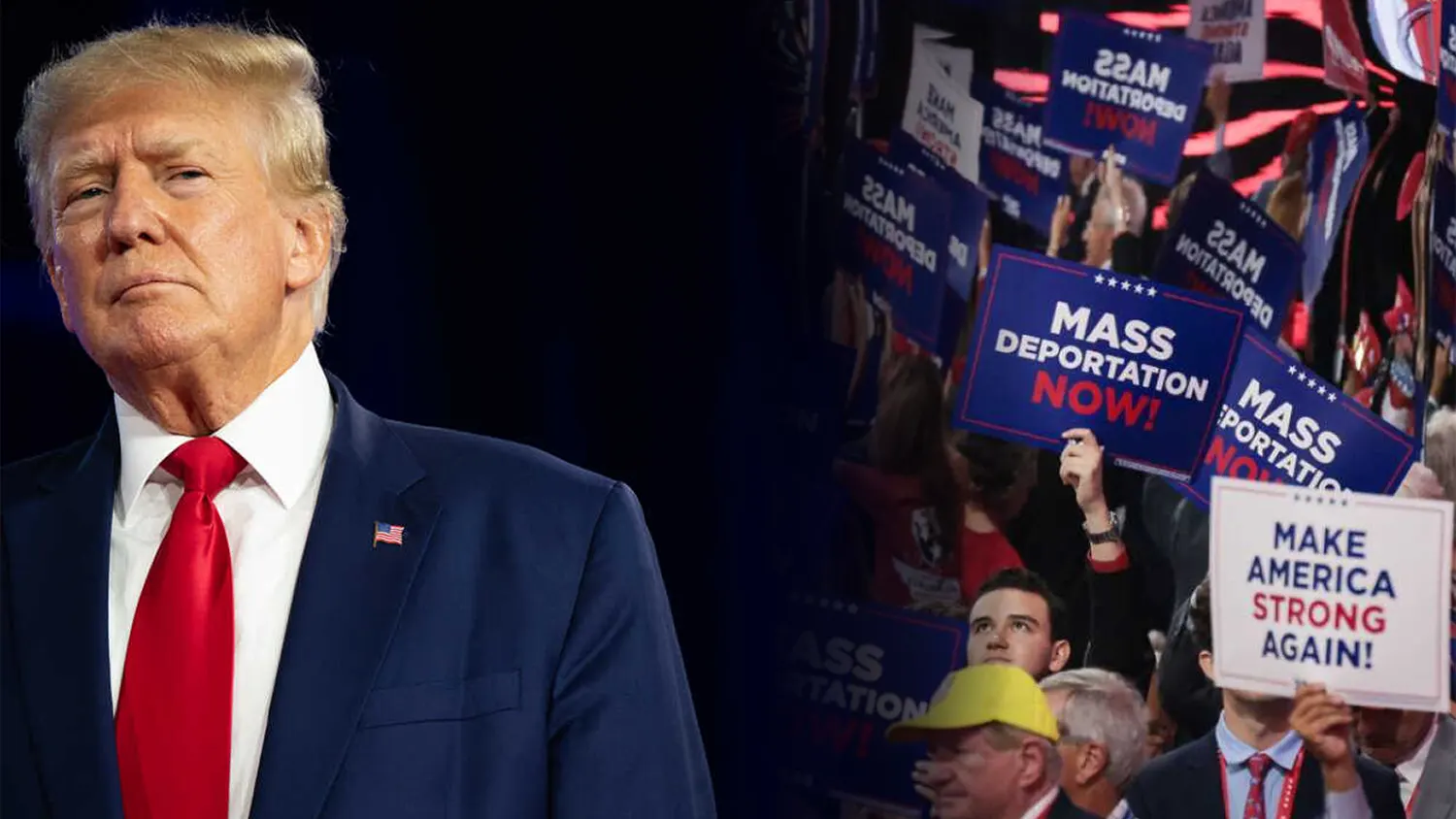
The Trump administration has pursued an aggressive effort to narrow humanitarian immigration protections, arguing that TPS and related programs have expanded far beyond their original purpose.
Supporters of the crackdown say the federal government must regain tighter control over immigration policy and reduce long-term reliance on temporary legal protections.
Critics argue the administration is attempting to dismantle humanitarian safeguards without respecting the legal process required by Congress.
Judge Chen’s ruling places the judiciary directly in the middle of that conflict.
The decision does not permanently guarantee TPS protections. But it sends a clear message that even aggressive immigration policies must still comply with procedural law and constitutional safeguards.
And for more than one million migrants now caught between politics and the courts, that legal distinction may determine whether they can continue building their lives in the United States.