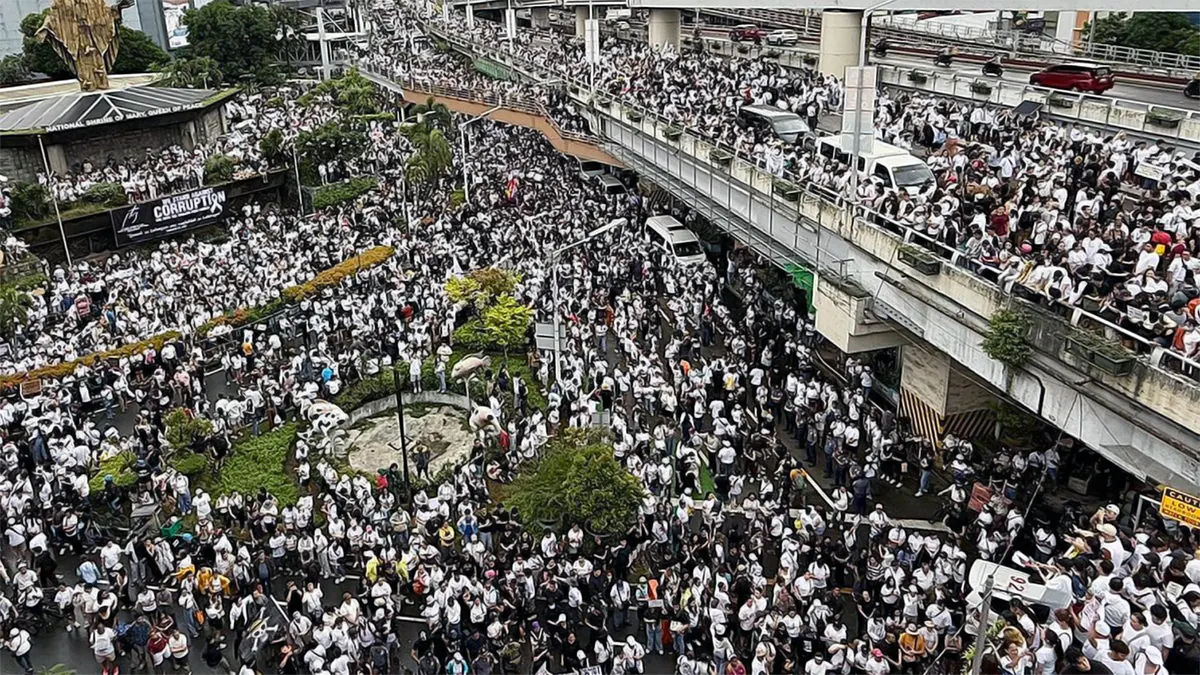
Tens of thousands of Filipinos poured into the streets on September 21, 2025, as anger over a major corruption scandal triggered one of the country’s largest protest movements in recent years.
The demonstrations, held in Manila and several other cities, focused on allegations that billions of pesos intended for flood-control projects were misused through questionable government contracts, incomplete projects, and alleged “ghost” infrastructure programs.
For many protesters, the issue goes beyond politics, it is about public safety, accountability, and trust in government institutions.
Flood-Control Scandal Sparks Public Fury
At the center of the controversy are nearly 10,000 flood-control projects reportedly worth more than ₱545 billion (around US$9.5 billion).
Investigations revealed serious irregularities tied to the projects, including:
- Incomplete infrastructure
- Poor construction quality
- Projects that allegedly never existed
- Suspected misuse of public funds
The scandal quickly gained national attention because flood-control systems are considered critical infrastructure in a country regularly affected by severe storms and flooding.
Many citizens questioned how massive amounts of taxpayer money could disappear while communities continue to suffer from flooding and inadequate public works.
Luxury Lifestyle Becomes Symbol of Public Anger
Public outrage intensified after reports highlighted the extravagant lifestyle of contractor couple Sarah and Pacifico Discaya, who were allegedly linked to several government-funded projects.
Images and videos showing luxury vehicles and lavish spending circulated widely online, fueling accusations that public funds were being exploited for personal wealth.
For protesters, the displays of luxury became a powerful symbol of corruption and inequality.
Why September 21 Carried Strong Symbolism
The protests were deliberately held on September 21, the anniversary of former President Ferdinand Marcos Sr.’s declaration of martial law in 1972.
For many Filipinos, the date represents resistance against abuse of power and government corruption.
Large crowds gathered at major protest sites including:
- Luneta Park
- The People Power Monument
- Various city centers across the country
Participants included students, religious groups, activists, labor organizations, and ordinary citizens carrying banners and chanting anti-corruption slogans.
The demonstrations became known online as the “Trillion Peso March” and “Baha sa Luneta” (“Flood at Luneta”).
Clashes Break Out Near Presidential Palace
Although most demonstrations remained peaceful, tensions escalated in some areas near the presidential palace.
Authorities said smaller groups of masked individuals threw rocks, started fires, vandalized property, and blocked roads during confrontations with police.
Security forces, which had been placed on “red alert” status, responded with tear gas and crowd control measures.
Officials reported:
- At least 216 arrests
- More than 90 injured police officers
- One reported death linked to a stabbing incident under investigation
Despite the clashes, many organizers continued to call for peaceful protest and accountability through legal channels.
President Marcos Promises Investigation
President Ferdinand “Bongbong” Marcos Jr. addressed the growing controversy by acknowledging the seriousness of the allegations.
He stated that investigations would proceed regardless of political affiliation or rank and urged the public to remain peaceful while authorities examine the claims.
An independent commission has reportedly been formed to investigate the scandal, while congressional hearings are also underway.
Several lawmakers and public works officials have already been named in connection with the ongoing inquiry.
Government Tightens Financial Oversight
As pressure mounts, government agencies have begun introducing additional measures aimed at preventing further misuse of public funds.
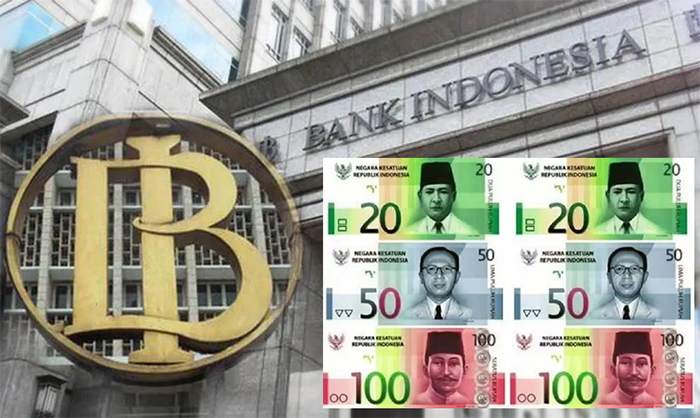
The country’s central bank is reportedly increasing oversight on large cash withdrawals as part of anti-money laundering efforts.
Meanwhile, all upcoming flood-control projects planned for 2026 have been temporarily suspended pending review.
Officials say the pause is necessary to reassess procedures and restore public confidence.
A Defining Moment for Public Accountability
The scale of the protests suggests growing frustration among Filipinos over corruption and government transparency.
Many observers believe the demonstrations could become a defining moment for democratic accountability in the Philippines, especially as younger generations become increasingly active in public issues.
For citizens affected by flooding and poor infrastructure, the scandal is not only about politics, it is about safety, livelihoods, and whether public resources truly serve the people.
As investigations continue, public attention will likely remain focused on whether authorities can deliver meaningful reforms, recover lost funds, and hold those responsible accountable.