Ecuador is facing one of the darkest periods in its recent history. Once viewed as one of the safer countries in Latin America, the nation is now struggling with a sharp rise in gang violence, drug trafficking, and deadly mass shootings.
The latest tragedy unfolded in the city of Santo Domingo, where gunmen opened fire inside a crowded pool hall, killing seven people and injuring several others. The attack shocked the country, but for many Ecuadorians, it also felt painfully familiar.
What happened that night was not an isolated incident. Instead, it reflects a growing national crisis tied to organized crime and the battle for control over drug trafficking routes.
A Night of Terror Inside a Santo Domingo Pool Hall
On what began as a normal Friday evening, people gathered at a local pool hall in Santo Domingo to relax and socialize. The atmosphere quickly turned deadly when masked attackers stormed the venue and sprayed the room with gunfire.
By the end of the attack, seven people were dead and four others were injured. Witnesses described scenes of panic as customers tried to escape the bullets.
The massacre became even more disturbing because it closely resembled another pool hall shooting in the same city only weeks earlier. That attack also claimed seven lives, raising fears that public gathering places are increasingly becoming targets in Ecuador’s violent gang conflicts.
For residents, the repeated bloodshed has created a climate of fear. Places once considered safe for recreation are now seen as potential danger zones.
Mass Shootings Are Becoming More Common Across Ecuador
The Santo Domingo massacre is only one part of a broader wave of violence spreading throughout Ecuador.
In recent months, several similar attacks have taken place across the country. In General Villamil Playas, gunmen killed nine people during another pool hall shooting. Earlier this year, a massacre at a cockfighting arena left 12 people dead.
Authorities believe many of these attacks are connected to territorial battles between rival criminal gangs. These groups are fighting for control of key drug trafficking routes that move cocaine through Ecuador and toward international markets.
Investigators say some victims may have had ties to criminal organizations, highlighting how personal revenge, gang rivalries, and territorial disputes are fueling the violence.
The growing number of massacres shows how organized crime is becoming more aggressive and public in its tactics.
How Ecuador Became a Key Drug Trafficking Hub
For years, Ecuador avoided the extreme levels of violence seen in some neighboring countries. However, the country’s location has made it increasingly attractive to international drug cartels.
Situated along the Pacific coast and equipped with major shipping ports, Ecuador has become an important transit point for cocaine shipments heading to the United States and Europe.
As drug trafficking expanded, powerful criminal groups from Colombia, Mexico, and other regions began fighting for influence inside Ecuador. The competition for smuggling routes has intensified violence across the country.
The consequences have been severe. Ecuador’s homicide rate has risen dramatically, with more than 4,600 murders reported during the first half of 2025 alone. That figure represents nearly a 50% increase compared to the previous year.
The rapid rise in killings has transformed Ecuador’s public security situation and placed enormous pressure on law enforcement agencies.
Military Forces Sent to Restore Order
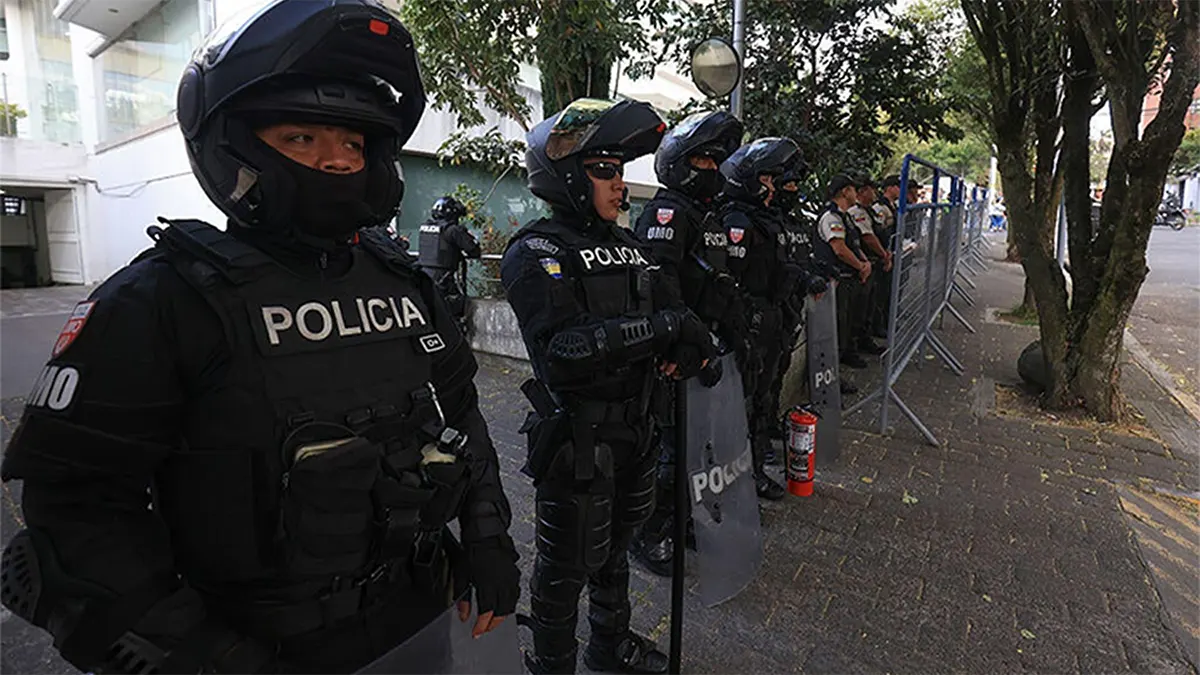
In response to the escalating violence, Ecuador’s government declared an “internal armed conflict” in early 2024. The move allowed military forces to work alongside police in an effort to combat criminal organizations and restore public safety.
Soldiers have since been deployed to high-risk areas, prisons, and major cities affected by gang activity.
Supporters of the crackdown argue that strong action is necessary to stop heavily armed criminal groups from gaining more power. However, critics warn that relying too heavily on military force could create new problems.
Human rights organizations and legal experts have expressed concerns about potential abuses, weakened civil liberties, and the erosion of constitutional protections during security operations.
The government now faces a difficult challenge: improving security while still protecting democratic institutions and public trust.
Communities Living in Fear
Beyond the headlines and statistics, ordinary Ecuadorians are paying the highest price.
Families are mourning loved ones lost in attacks, businesses are struggling with insecurity, and communities are living under constant anxiety. The rise in violence has also caused deep psychological trauma, especially in neighborhoods repeatedly affected by shootings.
Public confidence in safety has weakened as attacks increasingly occur in everyday locations such as pool halls, streets, and entertainment venues.
Many experts believe Ecuador’s crisis cannot be solved through force alone.
Why Ecuador Needs More Than a Security Crackdown
Security analysts and policy experts argue that Ecuador needs a broader strategy to address the root causes behind the violence.
Issues such as poverty, corruption, inequality, unemployment, and weak institutions have helped criminal organizations expand their influence. Without addressing these deeper problems, experts warn that violence could continue even with military intervention.
Calls are growing for stronger judicial systems, better police accountability, anti-corruption reforms, and closer regional cooperation to dismantle international drug networks.
Social investment is also seen as critical, particularly in vulnerable communities where gangs recruit young people.
Ecuador’s Fight for Stability Is Far From Over
The recent massacres in Santo Domingo and other cities highlight how quickly security conditions in Ecuador have deteriorated.
What was once considered a relatively peaceful nation is now confronting a dangerous mix of organized crime, drug trafficking, and escalating public violence.
The road ahead will not be easy. While security operations may help contain immediate threats, long-term stability will likely depend on Ecuador’s ability to strengthen institutions, rebuild public trust, and invest in social and economic opportunities.
For many Ecuadorians, the hope is simple: to reclaim a sense of safety in everyday life before violence becomes even more deeply rooted in the country’s future.