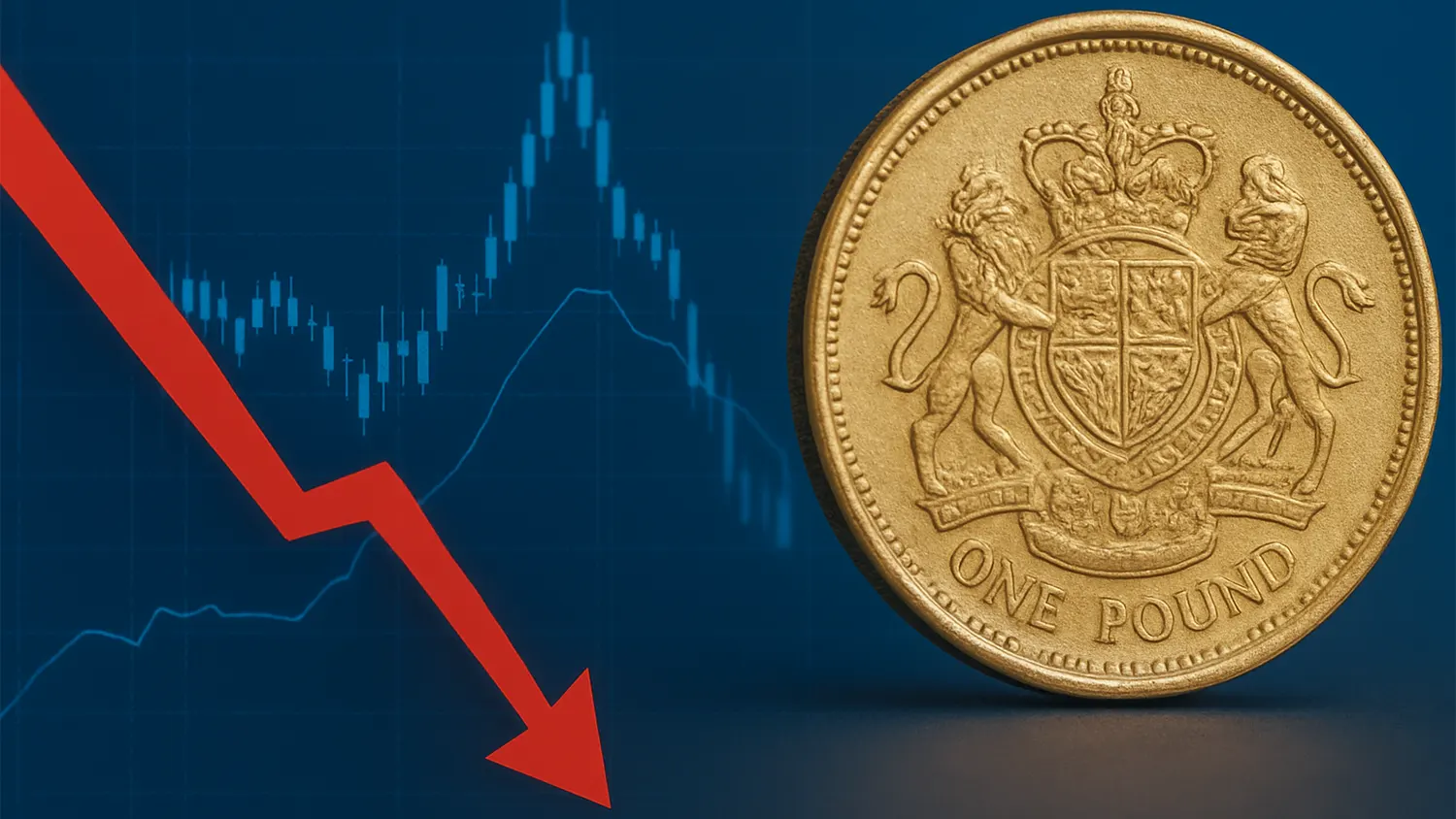
Britain’s borrowing costs have hit levels not seen since 1998, and the pound is feeling the pressure. For the new Labour government, the timing is deeply uncomfortable.
The yield on 30-year UK government bonds known as gilts climbed to 5.72%, the highest since John Major was still in Downing Street. When yields rise like this, it means investors are demanding bigger returns before they’ll lend to the government. In plain terms: the UK is becoming more expensive to borrow from, and markets are signaling they’re not entirely at ease with where things are headed.
The pound fell in tandem, adding another layer of strain to an economy already navigating stubborn inflation and uncertain growth.
This Isn’t Just a UK Problem But the UK Has Its Own Complications
To understand what’s happening, it helps to separate the global picture from the domestic one.
Across major economies the United States, Germany, France bond yields have been climbing as investors grow anxious about slowing global growth and escalating trade disputes. Analysts have described it as a “worldwide bond market rout,” and the UK is caught in that same wave.
But Britain isn’t just a passive victim of global forces. There are homegrown reasons why investors are uneasy.
Despite UK public debt being in relatively better shape than some other G7 nations, a series of policy shifts and lingering uncertainty about the government’s spending plans have raised doubts. Add to that inflation still sitting above the Bank of England’s 2% target, and you have a bond market that’s wary of locking in long-term returns at lower rates. Elevated prices erode the value of long-term bonds and investors know it.
A Flashback to Crises Past
Markets have a long memory, and the current turbulence is already drawing comparisons to some uncomfortable moments in British financial history.
The last time gilt yields were this elevated, Tony Blair had just entered Downing Street and the UK was still reshaping itself after years of Major-era economic overhaul. That was a different kind of pressure recovery and reform. Today’s problem is something else: investor doubt about fiscal discipline during a period of global instability.
The contrast with 2008 is also telling. During the global financial crisis, UK borrowing costs actually fell investors rushed into government bonds as a safe haven. The fact that the opposite is happening now reveals how much the perception of gilts has shifted. They’re no longer automatically seen as a shelter from the storm.
The closest and most uncomfortable parallel, though, is 2022. When then Prime Minister Liz Truss unveiled her unfunded “mini-budget,” gilt yields spiked, the pound crashed to record lows, and the Bank of England had to step in with emergency purchases to stop the bleeding. Today’s situation is broader and more globally driven but it carries the same warning: UK market confidence can unravel faster than anyone expects.
What a Weaker Pound and Higher Yields Actually Mean for People
These aren’t just abstract numbers on a trading screen. They have real consequences.
A weaker pound makes imports more expensive which feeds directly back into inflation at a time when the government is trying to bring it down. That’s a problem for households already stretched by the cost of living.
For the government itself, higher gilt yields mean higher debt-servicing costs more money going toward paying interest on borrowing, and less available for public services. Economists are already warning that Chancellor Rachel Reeves may face an uncomfortable choice: raise taxes, cut spending, or risk losing credibility with the markets she’s trying to reassure.
None of those options is painless. And all of them carry political consequences.
The Tightrope Reeves Has to Walk
For Prime Minister Keir Starmer’s government, this is a defining moment and it arrives at the worst possible time, with an autumn budget looming.
Labour came into office promising investment: in infrastructure, in the NHS, in the kind of long-term spending that a government making an economic case for itself leads with. But markets are watching the books, and they want to see credible plans before confidence is restored.
“The government has to convince markets it can responsibly manage debt without choking off growth,” one London-based economist noted. “Striking that balance will define its credibility in the months ahead.”
That’s the core tension. Move too aggressively to cut the deficit and Labour risks undermining its own growth agenda. Move too slowly and markets may punish the pound and gilts further forcing the government’s hand anyway.
What Happens Next
All eyes are now on how Reeves frames the upcoming autumn budget. The language will matter as much as the numbers. Investors want to hear a coherent, credible plan not vague commitments, and not promises that look like they can’t be kept.
The ghost of 2022 is very much present in that room. Nobody in government wants to repeat what happened to Truss. But avoiding that fate means threading a needle between market reassurance and political delivery and right now, those two things are pulling in opposite directions.
The UK has been here before. Whether it handles it better this time is the question markets and voters are waiting to answer.