
Albania has taken a historic step into the future of digital governance by appointing an artificial intelligence system named “Diella” as a virtual minister overseeing public procurement.
The move, announced by Prime Minister Edi Rama, makes Albania one of the first countries in the world to formally give an AI system a cabinet-level government role.
The decision is already drawing global attention because it combines artificial intelligence, government transparency, and anti-corruption reforms in a way rarely seen before.
Who Is Diella?
“Diella,” which means “sun” in Albanian, is an AI-powered virtual assistant integrated into Albania’s national digital services platform, e-Albania.
The system first launched in early 2025 to help citizens handle routine government services such as:
- accessing public documents,
- submitting applications,
- and navigating state services online.
Now, Diella has been upgraded into a much larger role.
The AI system is represented through a digital avatar wearing traditional Albanian clothing, blending modern technology with national identity.
Prime Minister Rama described Diella as a government official designed to operate without political bias, corruption, or human fatigue.
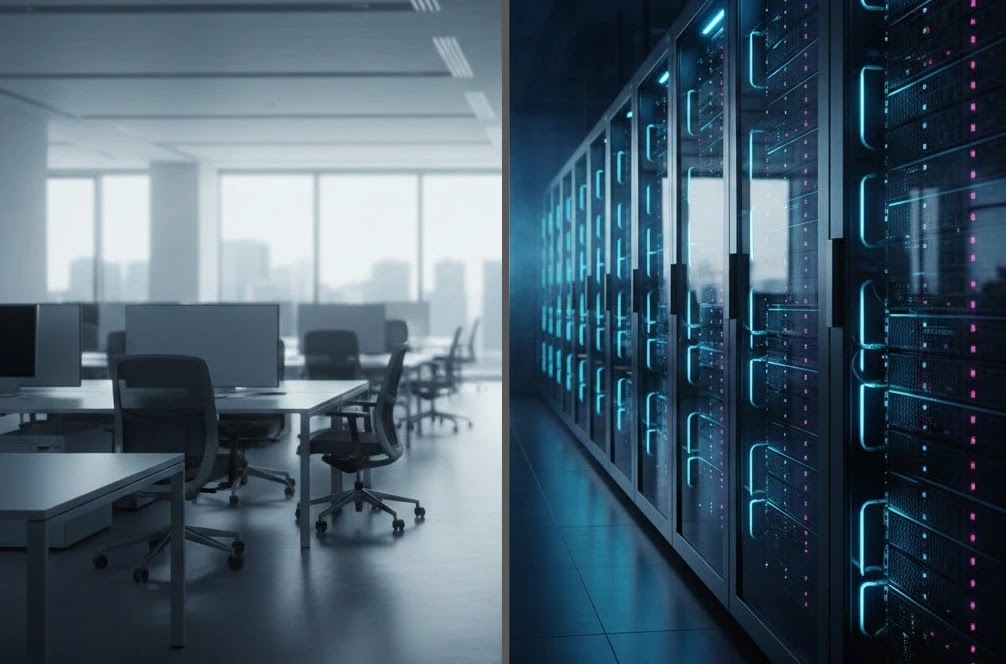
AI Will Oversee Public Procurement Decisions
Diella’s main responsibility will focus on public procurement, one of the most controversial areas of Albanian governance for years.
Public procurement involves how governments award contracts for infrastructure projects, public services, and state-funded programs.
Under the new system, Diella will reportedly:
- evaluate government tenders,
- analyze contractor bids,
- compare financial proposals,
- and recommend or approve contract winners.
The Albanian government says the AI will rely on objective data analysis instead of political influence or personal relationships.
Officials believe this could dramatically reduce opportunities for bribery, favoritism, and corruption.
Albania Wants to Use AI to Eliminate Corruption
Corruption allegations linked to public contracts have long damaged public trust in Albania.
Government leaders say Diella is part of a broader plan to create:
- greater transparency,
- fairer competition,
- and better accountability in public spending.
According to the government, the AI system creates a fully traceable digital audit trail for every procurement decision.
That means every recommendation, score, and evaluation can reportedly be reviewed later by oversight authorities.
Supporters argue this could make it much harder for officials to secretly manipulate contracts behind closed doors.
Human Oversight Will Still Exist
Despite Diella’s authority, Albanian officials insist the system will not operate entirely alone.
Human oversight committees will still:
- verify legal compliance,
- review appeals,
- and monitor procurement procedures.
The government says this hybrid approach is designed to balance efficiency with accountability.
Still, critics question whether true transparency is possible if the public does not fully understand how the AI system itself is programmed and supervised.
Supporters Call It a Digital Revolution
The announcement has triggered major debate both inside Albania and internationally.
Some anti-corruption groups praised the initiative as a bold attempt to remove political interference from government spending.
Several international observers also described the project as an innovative reform effort that could help Albania improve governance standards ahead of its planned European integration goals.
For supporters, Diella represents a major experiment in using technology to modernize government institutions.
Critics Warn About AI Accountability Risks
Not everyone is convinced the system will work as intended.
Opposition politicians and technology experts have raised several concerns, including:
- Who controls the AI’s algorithms?
- Can the system itself be manipulated?
- Who becomes responsible if the AI makes a harmful or biased decision?
Some critics argue that AI could simply create a new layer of hidden influence rather than eliminating corruption entirely.
Others worry the project may be more symbolic than practical.
Social media reactions have also been mixed, with some users joking that “even AI could become corrupted in Albanian politics.”
EU Membership Goals Are Driving the Reform Push
The rollout of Diella is closely tied to Albania’s long-term ambition to join the European Union by 2030.
One of the EU’s biggest concerns regarding Albania has been institutional corruption and transparency in public administration.
By introducing AI into procurement oversight, the Albanian government hopes to show European officials that it is serious about reform and modernization.
The initiative also positions Albania as one of the most technologically experimental governments in Europe.
Could AI Ministers Become the Future?
Diella’s appointment raises larger global questions about the future of artificial intelligence in government.
As AI systems become more advanced, experts are increasingly debating whether machines should help make decisions traditionally handled by politicians and civil servants.
Supporters believe AI could reduce corruption and improve efficiency.
Critics warn that giving algorithms too much authority could create new ethical, legal, and democratic risks.
For now, Albania has become a global test case.
Whether Diella becomes a model for future governments or a warning about the limits of AI in politics the world will be watching closely.