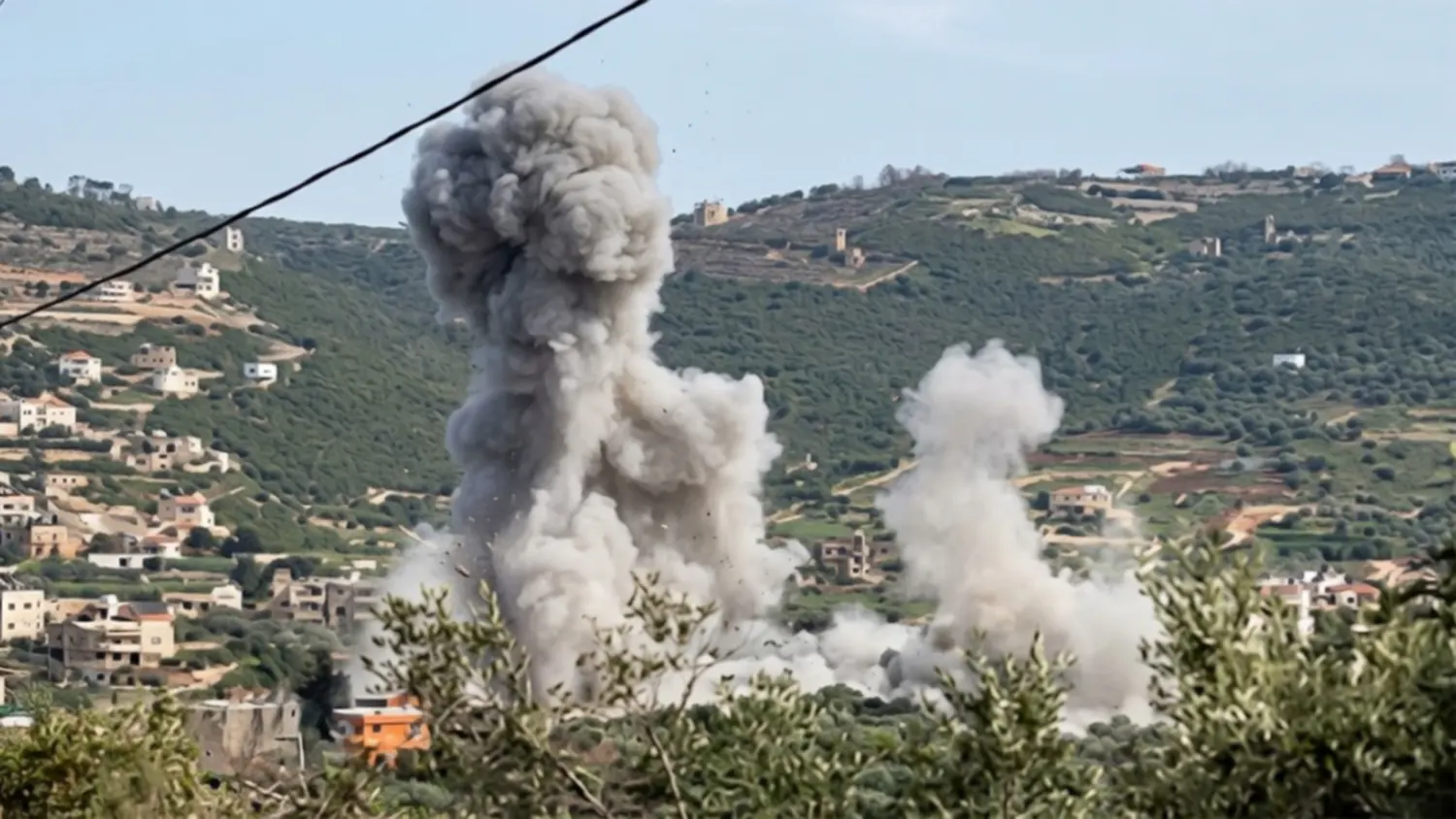
On August 28, 2025, an Israeli airstrike tore through a villa in Beit Baw’s, a historic village south of Sanaa. Inside, Houthi Prime Minister Ahmed al-Rahawi and several cabinet members had gathered for what was described as a routine government workshop. None of them would leave alive.
The attack wiped out al-Rahawi and multiple senior ministers in a single strike. Israeli media reported the toll could be as high as 12 cabinet members killed. Houthi officials confirmed al-Rahawi’s death two days later, on August 30.
This was not a battlefield strike. It was a targeted elimination of a sitting government’s leadership and it changes the nature of the Israel-Houthi conflict entirely.
From Blowing Up Infrastructure to Taking Out Leaders
For months, Israel had focused its strikes on Houthi military assets weapons depots, drone launch sites, port facilities. This strike was something different. Israel went after the men running the government.
The IDF initially called it a “precise attack on a terrorist regime target.” Hours later, they confirmed the strike specifically targeted al-Rahawi and other officials accused of planning attacks against Israel.
Analysts say this signals a deliberate shift in Israeli military strategy: decapitate the political leadership, undermine the group’s legitimacy, and disrupt its ability to coordinate operations across the region. It’s the same logic Israel applied against Hamas leadership applied now to Yemen.
Who Was the Man They Killed?
Ahmed al-Rahawi was not a general or a bomb maker. He was a career politician born in Yemen’s southern Abyan province, a former ally of ex-President Ali Abdullah Saleh, and someone who had navigated Yemen’s brutal political landscape for decades before aligning with the Houthis after their takeover of Sanaa in 2014.
He was appointed Houthi prime minister in August 2024 just one year before his death. His job was to manage civilian governance in Houthi-controlled territory: running ministries, overseeing public services, and projecting an image of a functioning state, even as Yemen’s internationally recognized government remained seated in Aden.
He wasn’t calling the military shots. That power sits firmly with Abdul Malik al-Houthi, the group’s supreme leader. But al-Rahawi’s death still punches a hole in the Houthis’ civilian administration and could trigger internal power struggles over who fills the vacuum.
The Houthis’ Fury and Their Promise of Retaliation
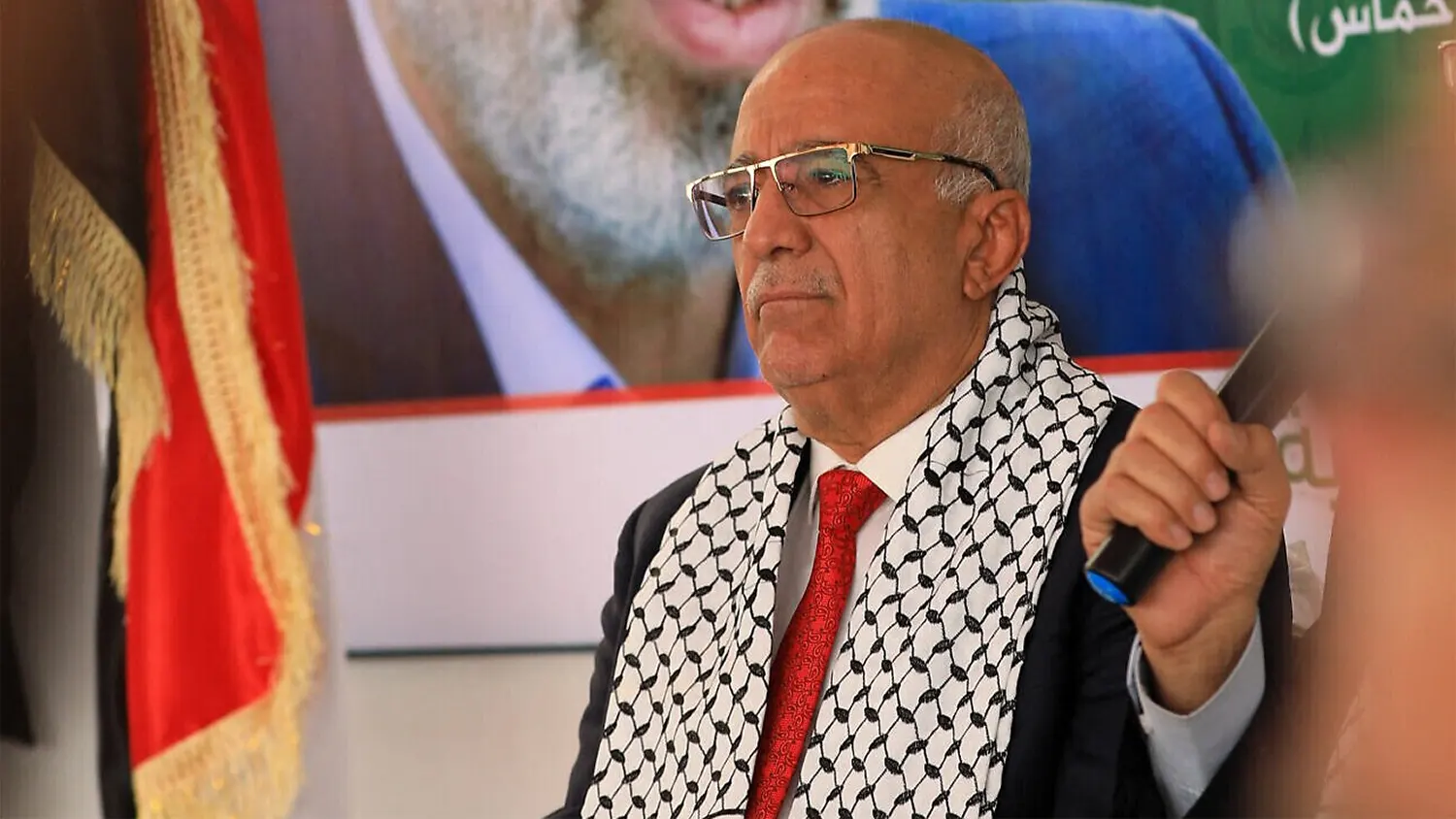
Two days after the strike, Mahdi al-Mashat, head of the Houthi Supreme Political Council, appeared publicly and vowed revenge. He framed the dead as martyrs whose blood would fuel the group’s continued fight.
This kind of language from the Houthis is not empty rhetoric. Since the Israel-Hamas war began in October 2023, the group has fired dozens of ballistic missiles and drones toward Israeli territory, most intercepted by Israel’s Iron Dome and U.S. naval forces. They’ve also repeatedly attacked commercial shipping in the Red Sea, forcing global supply chains to reroute and driving up costs worldwide.
Killing their prime minister is unlikely to stop any of that. If anything, experts expect an escalation in missile strikes, drone attacks, and Red Sea disruptions in the weeks ahead.
Why Israel Sees the Houthis as Its Problem Now
The Houthis have long chanted “Death to Israel” but for years, the two were separated by geography and priority. That changed on October 7, 2023.
As Israel launched its war on Hamas in Gaza, the Houthis positioned themselves as the military arm of Palestinian solidarity in the Arab world. They began striking Israeli-linked ships in the Red Sea and launched long-range missiles toward Israeli cities. Several got through. The rest were shot down.
Israel gradually came to see the Houthis not as a distant nuisance, but as a direct extension of Iran’s regional strategy part of what Tehran calls the “Axis of Resistance,” which also includes Hezbollah in Lebanon and various militias in Iraq and Syria. With Iran pulling strings in the background, Israel decided the Houthis had to be confronted directly.
How the Region Is Reacting
The assassination of a sitting prime minister even an unrecognized one sent shockwaves through the Middle East.
Iran, the Houthis’ main backer, condemned the strike and warned of serious consequences. State media mourned al-Rahawi as a martyr of resistance. Saudi Arabia, which fought its own brutal war against the Houthis for years, stayed largely quiet, it has a fragile truce with the group and no appetite to be pulled back into that conflict. The United States, already coordinating with Israel on Red Sea security, is expected to quietly back the strike while worrying about wider blowback. And the United Nations called for restraint, warning the killing could unravel what little peace momentum existed in Yemen.
Yemen as a Full Blown Proxy Battleground
Yemen is already one of the world’s worst humanitarian disasters. Years of civil war have left millions on the edge of famine, with collapsed infrastructure and a fractured government. The last thing the country needs is to become the newest front in the Israel-Iran shadow war.
But that’s exactly the risk. With the Houthis formally embedded in Iran’s regional network, any Israeli strike invites an Iranian-backed response not just from Yemen, but potentially from Hezbollah, Iraqi militias, or others. Each escalation pulls more actors in.
Israel is now fighting on multiple fronts simultaneously Gaza, Lebanon, and now Yemen. The question is whether targeting leadership figures like al-Rahawi actually weakens these groups, or simply hardens their resolve and gives them a rallying cause.
History, in most cases, suggests the latter.
What Happens Next Is Anyone’s Guess but It Won’t Be Quiet
The killing of Ahmed al-Rahawi is a line crossed. Israel has shown it is willing to reach deep into Houthi controlled territory and eliminate political figures, not just military assets. The Houthis have shown, repeatedly, that they don’t back down when hit.
The coming weeks will likely bring more missile launches, more Red Sea incidents, and more pressure on an already fragile regional order. Whether diplomacy can catch up to the pace of escalation or whether the Middle East slides deeper into a multi-front war remains the defining question of this moment.