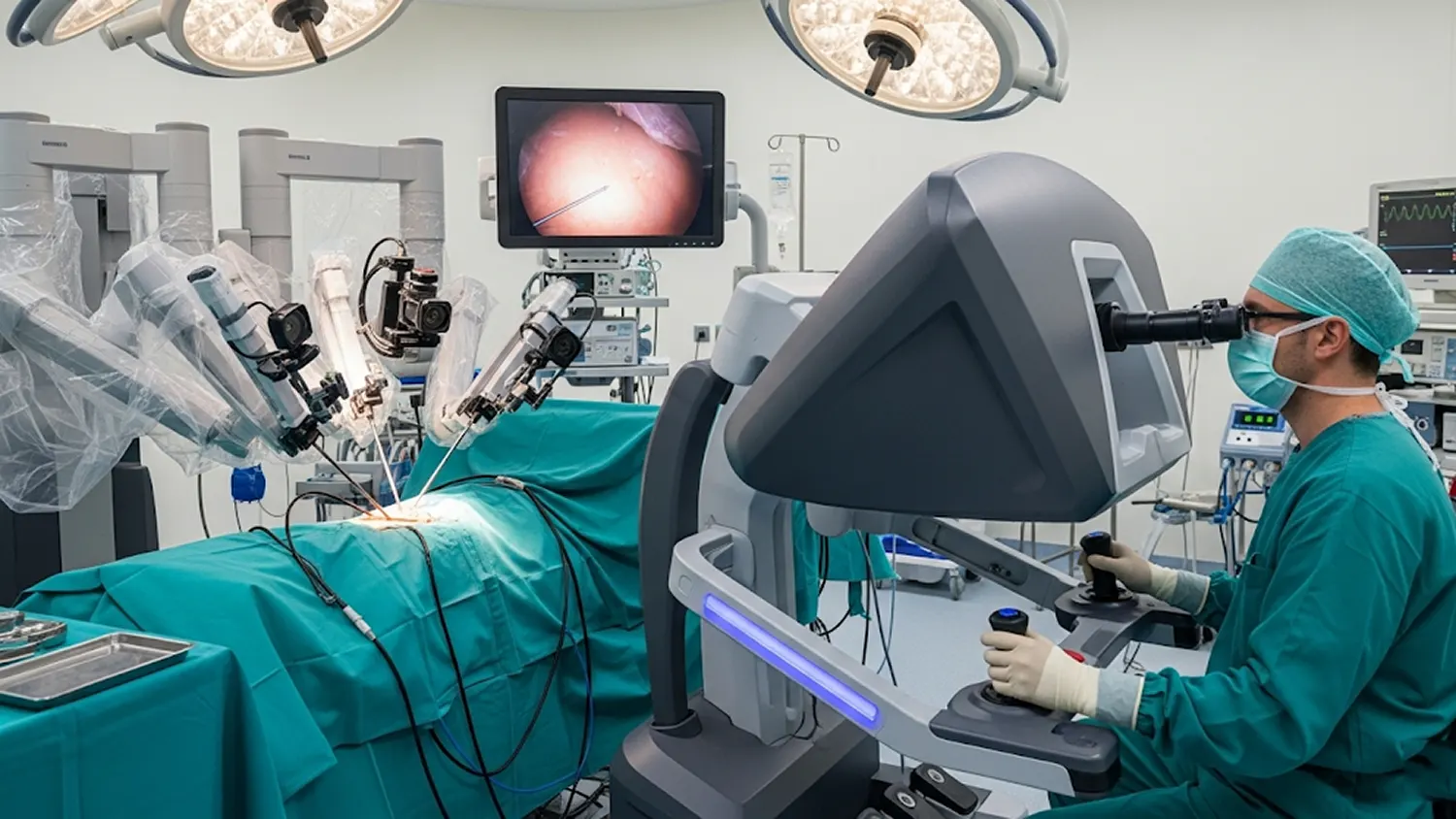
The operating room is changing fast. What once relied entirely on human hands is now supported by advanced machines. Surgical robotics is no longer experimental, it’s becoming a core part of modern healthcare.
Today, more than 7,000 robotic systems are in use worldwide. Hospitals are increasingly adopting these tools to improve outcomes, reduce complications, and deliver more precise, minimally invasive procedures. And as technology evolves, their role is only expected to grow.
How Surgical Robotics Enhances Precision and Control
One of the biggest advantages of robotic systems is their ability to go beyond human limitations. Traditional surgery depends heavily on steady hands and visibility. Robotics changes that.
These systems provide greater dexterity and range of motion than the human hand, allowing surgeons to operate in tight or complex areas with remarkable accuracy. Features like motion scaling convert large hand movements into tiny, controlled actions, while tremor filtration ensures steady, error free performance.
At the same time, the integration of artificial intelligence in surgery is pushing boundaries even further. AI can analyze imaging data, build detailed 3D models, and assist in surgical planning. In some cases, it even provides real time guidance during procedures, helping surgeons make data driven decisions that improve precision and reduce risk.
Minimally Invasive Surgery Means Faster Recovery
As technology improves, so does patient experience. Robotic systems are perfectly aligned with the growing demand for minimally invasive surgery.
Smaller incisions lead to:
- Less tissue damage
- Reduced blood loss
- Lower risk of infection
- Faster recovery times
Patients often spend less time in the hospital and return to normal life sooner. This not only benefits individuals but also helps healthcare systems reduce costs and improve efficiency.
Beyond the clinical advantages, this shift is reshaping expectations. Patients increasingly seek procedures that offer quicker healing and less discomfort, and robotic surgery is meeting that demand.
Expanding Applications Across Medical Fields
Initially, robotic surgery was mostly used in urology and gynecology. But that is rapidly changing.
Today, robotic assisted procedures are expanding into:
- General surgery (hernia repair, colorectal procedures)
- Bariatric surgery
- Cardiothoracic surgery
- Neurosurgery
- ENT (ear, nose, and throat) procedures
This expansion reflects growing confidence in the technology. As systems become more advanced, surgeons are finding new ways to apply robotics across increasingly complex cases.
Innovation Is Making Robotic Surgery More Accessible
Another key trend is accessibility. Early robotic systems were expensive and limited to major hospitals. That barrier is gradually disappearing.
Manufacturers are now developing smaller, more flexible robotic platforms that are easier to use and more cost effective. Enhanced imaging, improved ergonomics, and even haptic feedback allowing surgeons to “feel” what they are doing are improving both performance and usability.
At the same time, tele surgery capabilities are emerging as a game changer. Surgeons can remotely guide or perform procedures, opening the door to advanced care in remote or underserved regions.
As competition increases, costs are expected to decline further, making robotic surgery available to a broader patient population.
A New Era in Surgical Care
The rise of surgical robotics marks a turning point in modern medicine. These systems are not replacing surgeons, they are empowering them.
With enhanced precision, faster recovery, and AI driven insights, robotic platforms are improving outcomes and redefining patient care. As innovation continues, their role will only expand, shaping a future where surgery is safer, smarter, and more accessible.
For healthcare providers and patients alike, one thing is clear: the future of surgery is robotic and it’s already here.