Affan Kurniawan was 21 years old and working as an online motorcycle taxi driver, the kind of job that millions of young Indonesians rely on to get by. On August 28, as a food delivery driver, carrying out his job as usual. A police tactical vehicle struck the crowd, and he did not survive.
What followed was not grief alone. It was fury.
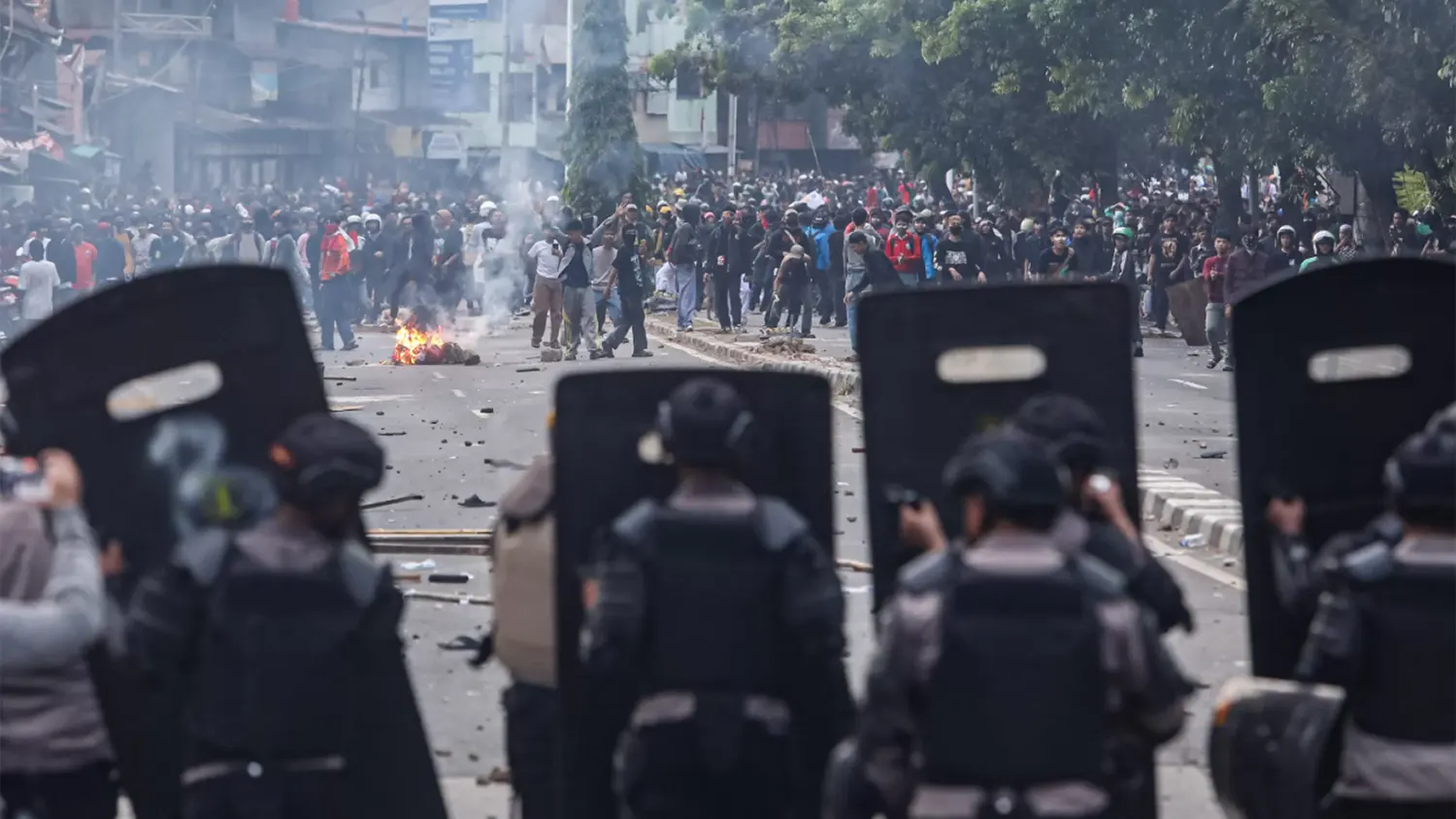
Within days, demonstrations had spread from Jakarta to Bandung, Surabaya, and Makassar. Buildings burned. Vehicles were torched. Hundreds were arrested. And a protest that had started over a controversial housing allowance for lawmakers became something altogether larger, a nationwide reckoning over police violence, inequality, and a government that many Indonesians feel has stopped listening to them.
It Started With a Housing Allowance Nobody Could Defend
Before Kurniawan’s death, the protests already had momentum. The trigger was the government’s approval of a new housing allowance package for members of parliament a decision that landed with particular force at a time when ordinary Indonesians are struggling with rising food and fuel prices.
The optics were damaging and obvious: lawmakers receiving new financial perks while constituents tighten their belts. Citizens in urban centre, where the cost of living has climbed sharply, came out in large numbers to say so. The protests were pointed, organized, and until August 28 largely peaceful.
The Moment Everything Changed
Eyewitnesses described Kurniawan as being among the crowd when a police tactical vehicle drove into the demonstration. Videos and photographs of the incident spread rapidly across social media, and the response was immediate and visceral.
Indonesia has a complicated history with security forces and public protest, and for many people watching that footage, Kurniawan’s death was not an isolated tragedy, it was confirmation of something they had long suspected about how the state treats its own citizens when they dare to push back.
The hashtags #JusticeForAffan and #ReformasiDikorupsi, a reference to the reform movement that brought down Suharto in 1998 began trending within hours. The comparison was not accidental.
Violence Spread, and So Did the Anger
As news of Kurniawan’s death reached other cities, the character of the protests shifted. In Makassar, the capital of South Sulawesi, demonstrators set fire to a government building. Three people inside were killed. Vehicles and motorcycles were set alight in several regions, streets were blocked with makeshift barricades, and clashes between protesters and police grew more intense.
Human rights organisations moved quickly to raise alarms about what they described as excessive force by security services. Amnesty International Indonesia called for an urgent review of crowd-control tactics and warned of the dangers posed by unchecked police power during public demonstrations.
The Government Responded but Trust Is the Real Problem
President Prabowo Subianto addressed the nation, offering condolences to Kurniawan’s family and pledging a transparent investigation. The National Police Chief issued a public apology described as rare by observers and seven officers who were present in the tactical vehicle at the time of the incident were detained for questioning.
The statements were the right ones to make. Whether they will be enough is a different matter entirely.
Many protesters remained openly sceptical, and for understandable reasons. Indonesia has a long record of law enforcement abuses going unpunished, and promises of accountability have a way of dissolving quietly once the cameras move on. Civil society groups have responded by demanding independent oversight of the investigation not because they dismiss the government’s words, but because they have learned not to rely on them alone.
What Protesters Are Actually Demanding
The movement has coalesced around four clear demands: justice for Affan Kurniawan, an independent investigation into police conduct during the protests, a reevaluation of the lawmakers’ housing allowance that sparked the original demonstrations, and stronger legal protections for the right to peaceful assembly.
Protest leaders have been explicit, they will not stop until those demands are meaningfully addressed. Signs reading “Justice for Affan” and “Stop Police Violence” have become the visual language of a movement that has now outgrown its origins.
A Country at a Crossroads
Kurniawan’s death has done what individual incidents sometimes do in moments of accumulated public frustration, it has given a name and a face to something people were already feeling but struggling to articulate.
Experts watching the situation closely warn that without genuine, structural reform not just apologies and detentions, but changes to how police are trained, supervised, and held accountable the underlying conditions that produced this unrest will remain unchanged. And unchanged conditions have a way of producing the same outcomes.
For now, Indonesia is watching to see whether its government means what it says. So is the rest of the world