The Shanghai Cooperation Organization (SCO) summit in Tianjin this week was never going to be just another diplomatic gathering. With US-China trade tensions at a boiling point, a surprise Modi-Xi meeting making headlines, and talk of a revived Russia-India-China alliance, what unfolded in Tianjin may turn out to be one of the most consequential multilateral meetings of 2025.
Tariffs, Trade Wars, and a Unified Pushback
The shadow of the Trump administration loomed large over the summit. Sweeping American tariffs, some reaching 145% on Chinese imports and 50% on Indian goods have rattled global supply chains and forced nations across Asia and Eurasia to rethink their economic partnerships.
China and Russia wasted no time using the SCO platform to push back. Both nations rallied member states around the idea of a “fairer multipolar world order”, a pointed challenge to what they frame as American economic bullying and unilateralism. Beijing, in particular, has been working hard to position itself as a steady hand in an increasingly turbulent global economy, courting Global South nations with the message that there is a credible alternative to Washington’s orbit.
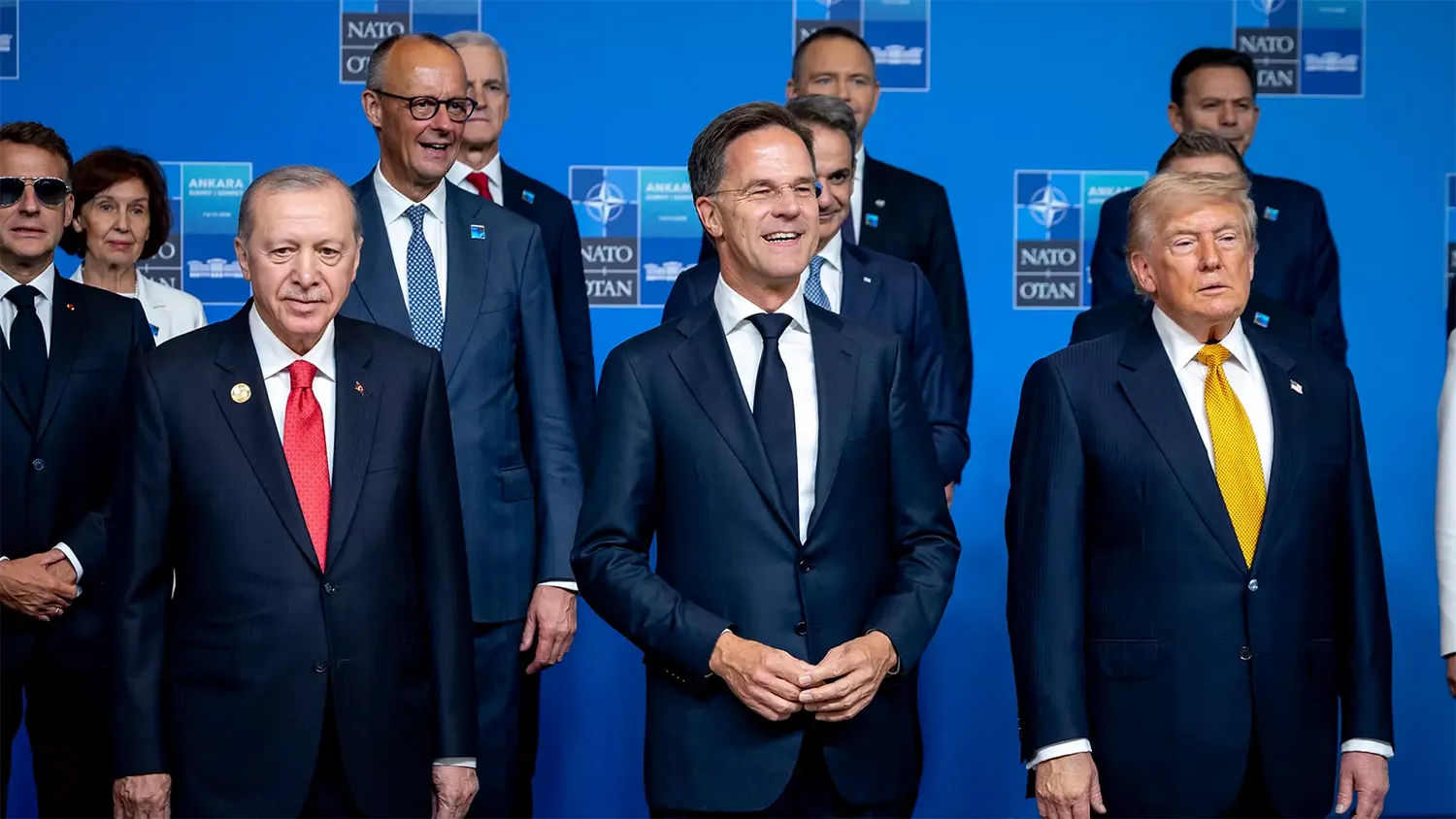
The broad coalition of SCO members, observers, and dialogue partners present in Tianjin was itself a statement, a visual demonstration of just how wide China’s diplomatic reach has grown.
Modi Flies to Beijing And the World Takes Notice
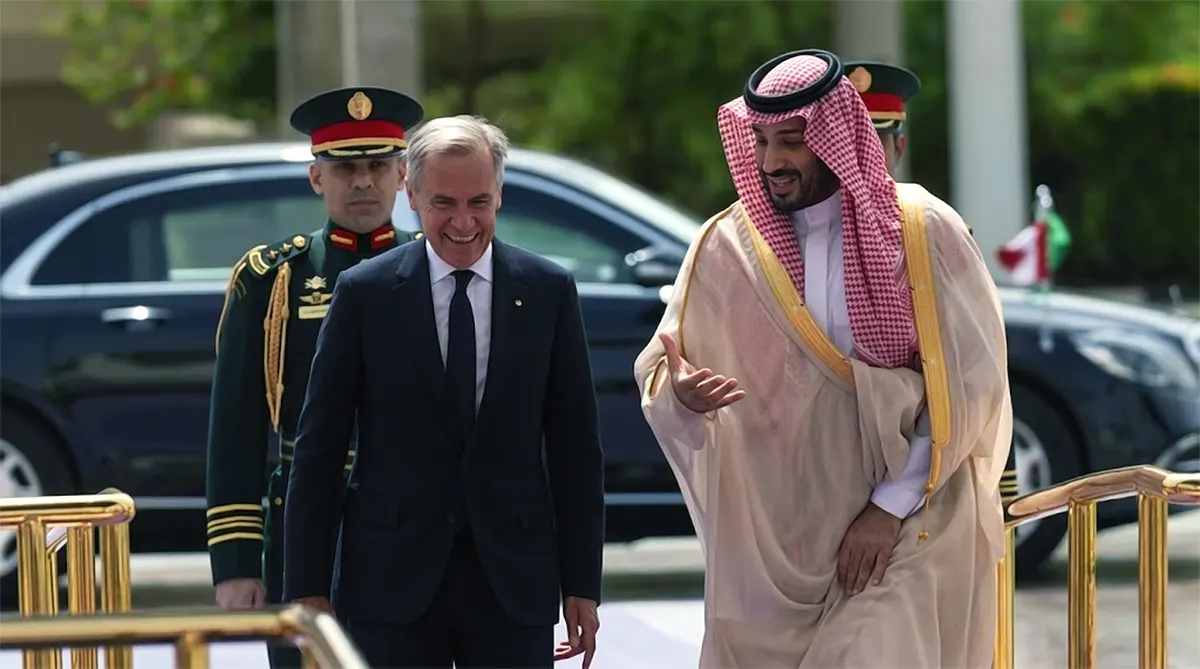
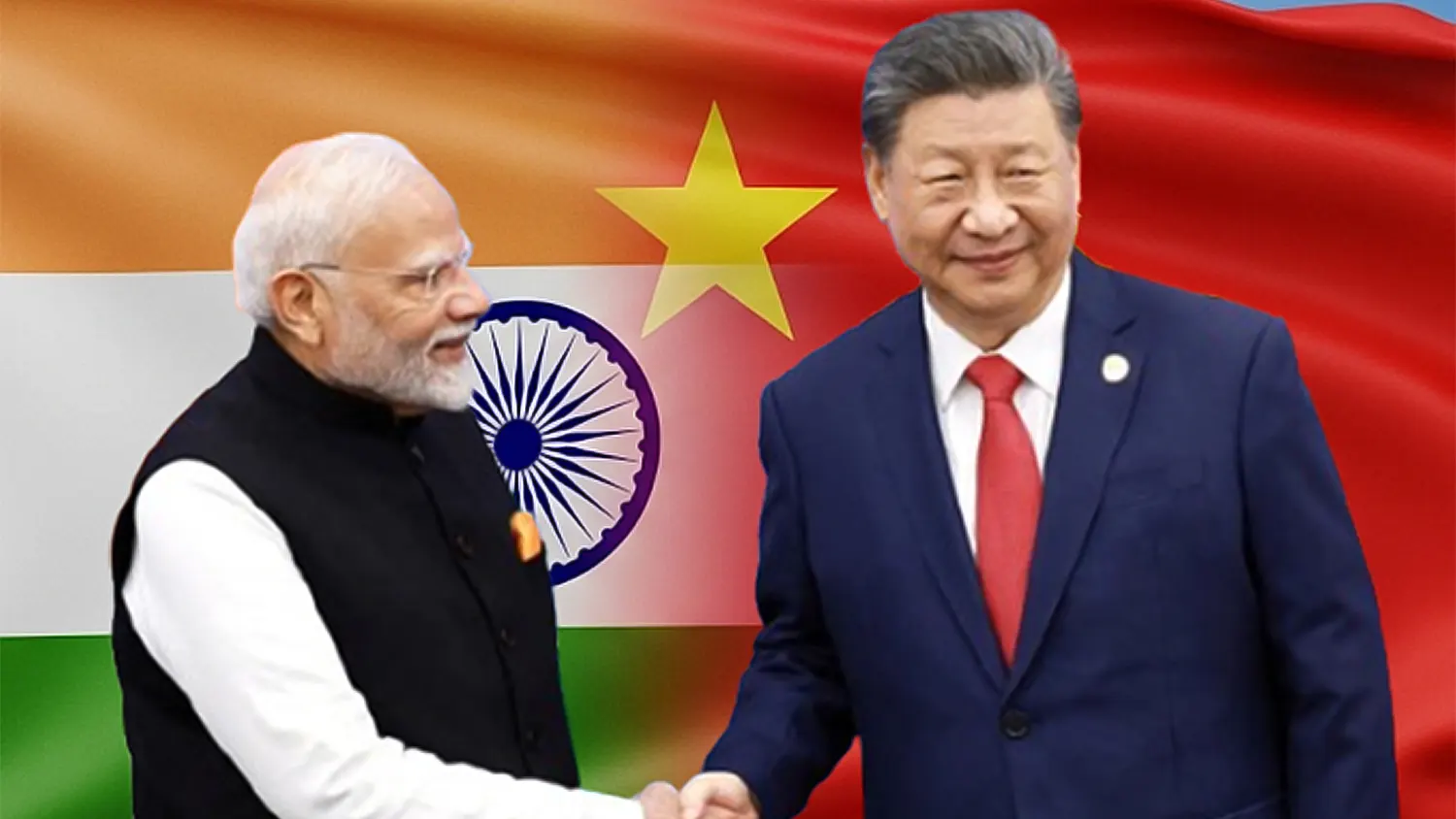
The moment that drew the most international attention was Indian Prime Minister Narendra Modi’s arrival in China, his first visit in seven years. Relations between the two Asian giants have been frozen since the deadly 2020 border clashes in the Galwan Valley left soldiers dead on both sides and sent ties into a prolonged deep freeze.
The thaw, while cautious, was unmistakable. Modi and Chinese President Xi Jinping held bilateral talks on the sidelines of the summit, focusing on border management and renewed connectivity. In a concrete sign of warming ties, Modi announced the resumption of direct flights between India and China, a small but symbolically loaded step toward normalization.
Xi set the tone with a line that will likely be quoted for some time: “The dragon and the elephant can dance together.” It was a deliberate and public signal that Beijing sees a cooperative path forward with New Delhi if both sides are willing to take it.
Why India Is Warming Up And What Washington Should Notice
India’s shift didn’t happen in a vacuum. The US decision to slap a 50% tariff on Indian goods has put real economic pressure on New Delhi, pushing it to look harder at its options closer to home. With Eurasian partnerships suddenly looking more attractive, Modi’s Tianjin visit makes strategic sense even if India remains deeply careful about how far it moves toward Beijing and Moscow.
That calculus is precisely what makes the Russia-India-China (RIC) trilateral, a long discussed but never fully realized format worth watching. Moscow is actively championing the revival of this grouping, with Beijing’s full backing, as a vehicle to counterbalance American influence across Eurasia. India has historically kept its distance, but the combination of US tariff pressure and the strategic momentum building in Tianjin may be nudging New Delhi to reconsider.
From Security Club to Global Power Stage
The SCO began its life primarily as a regional security organization. What’s happening in Tianjin signals something bigger. As one regional observer put it, “The SCO is evolving from a security club into a stage where the future of global power alignments is being negotiated.”
That evolution is real but it comes with serious questions. Can the SCO move beyond symbolic declarations and actually build the kind of economic and security mechanisms that give it lasting weight? Can India and China convert this diplomatic warming into durable cooperation, or will the next border incident send relations back to square one?
A Balancing Act With No Easy Answers
For China and Russia, Tianjin was a success on its own terms. Both nations walked away having reinforced their shared vision of a world less dominated by Washington and having drawn India, at least partially, into that conversation.
For India, the summit crystallized just how delicate its position has become. New Delhi is being pulled in two directions at once: economic pressure from the US on one side, and the growing strategic weight of the SCO and its Eurasian partners on the other. How India navigates that tension without sacrificing its relationship with Washington or its strategic autonomy will be one of the defining foreign policy stories of the coming years.
Whether the momentum from Tianjin leads to a genuinely durable multipolar world order or simply accelerates the fragmentation of global governance into rival blocs remains the central open question. The next few months will go a long way toward providing the answer.