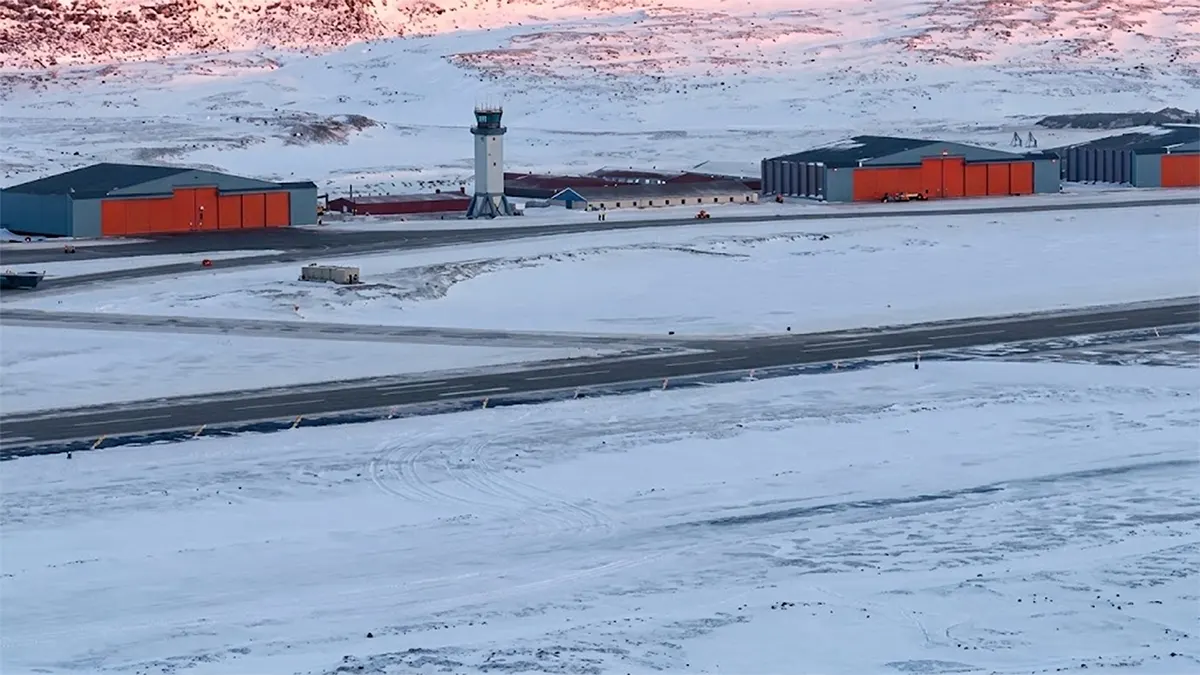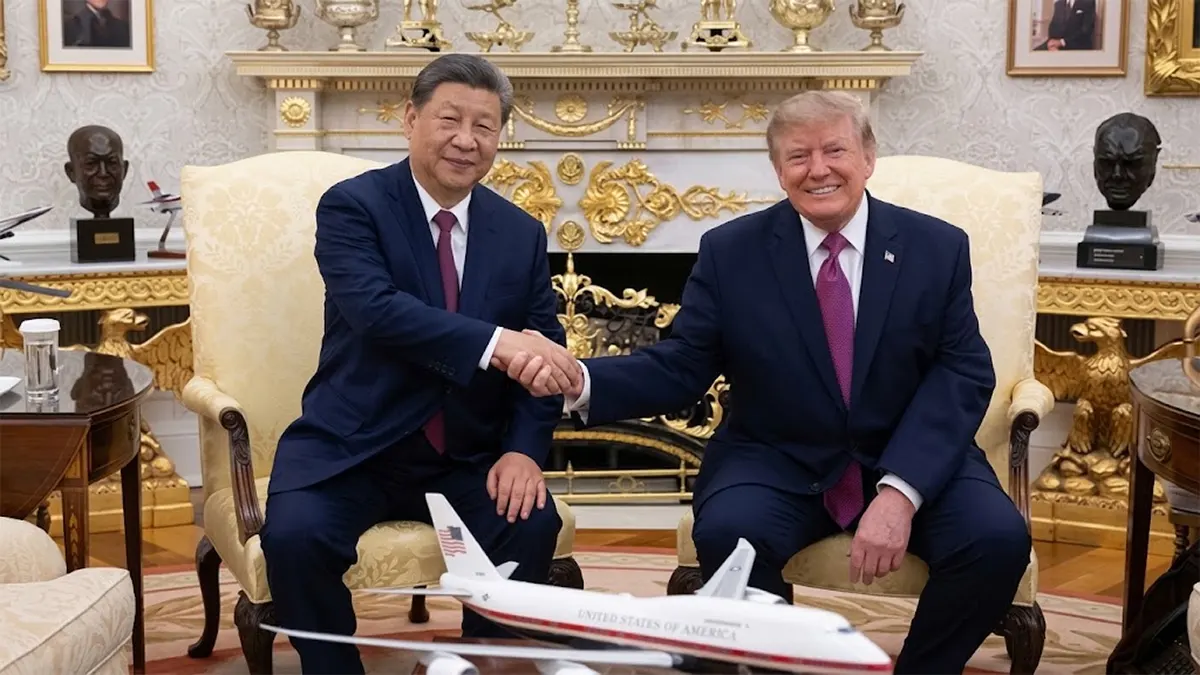
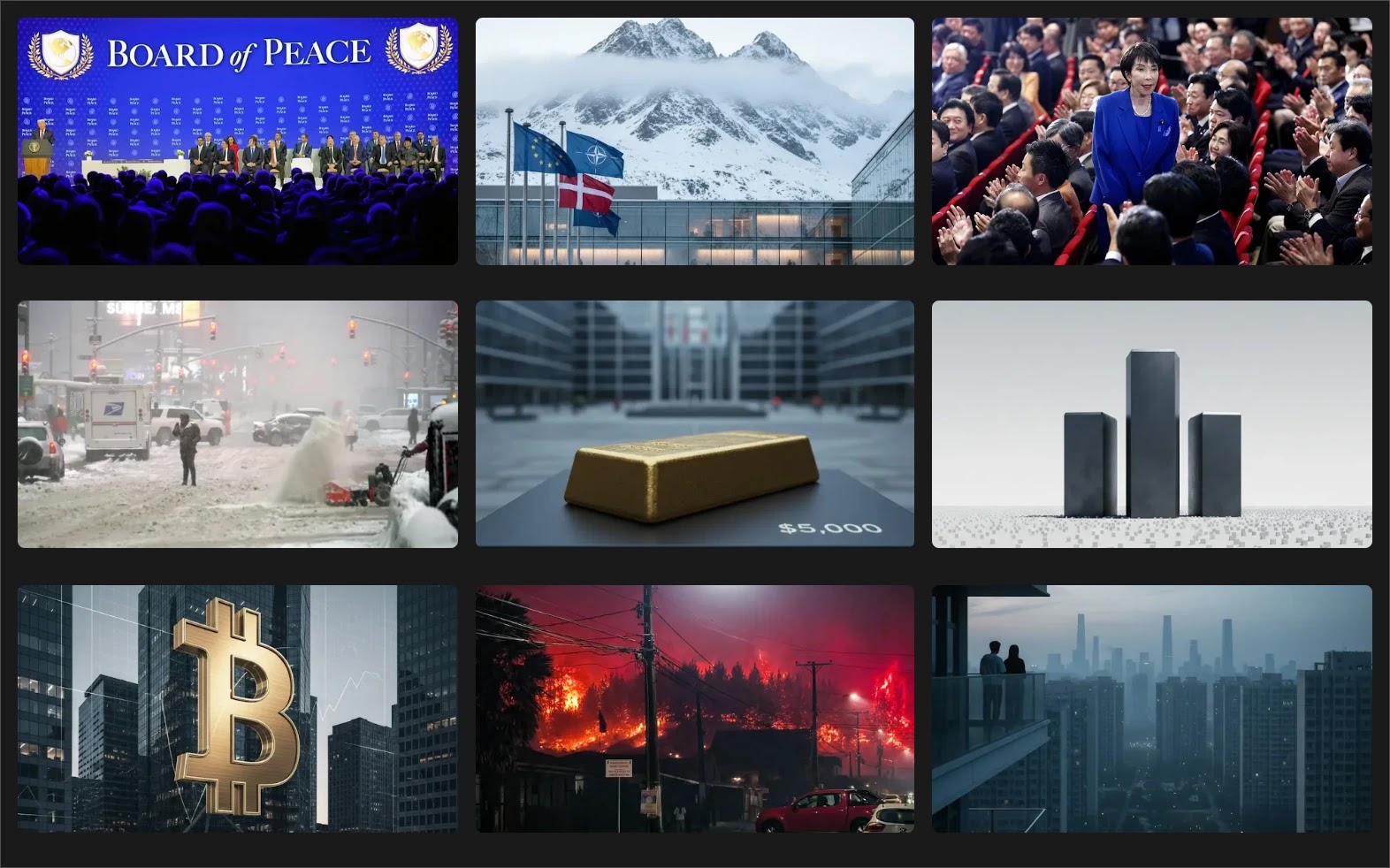
This week revealed a system under simultaneous political assertion and structural stress.
Power was exercised openly, from Davos-stage governance proposals to trade leverage, snap elections, and price discovery in core markets
while environmental, demographic, and financial pressures continued to advance independently.
Rather than stabilizing conditions, policy decisions increasingly interacted with underlying constraints, compressing timelines and narrowing margins for error.
The global environment is no longer absorbing shocks quietly, it is transmitting them across domains.


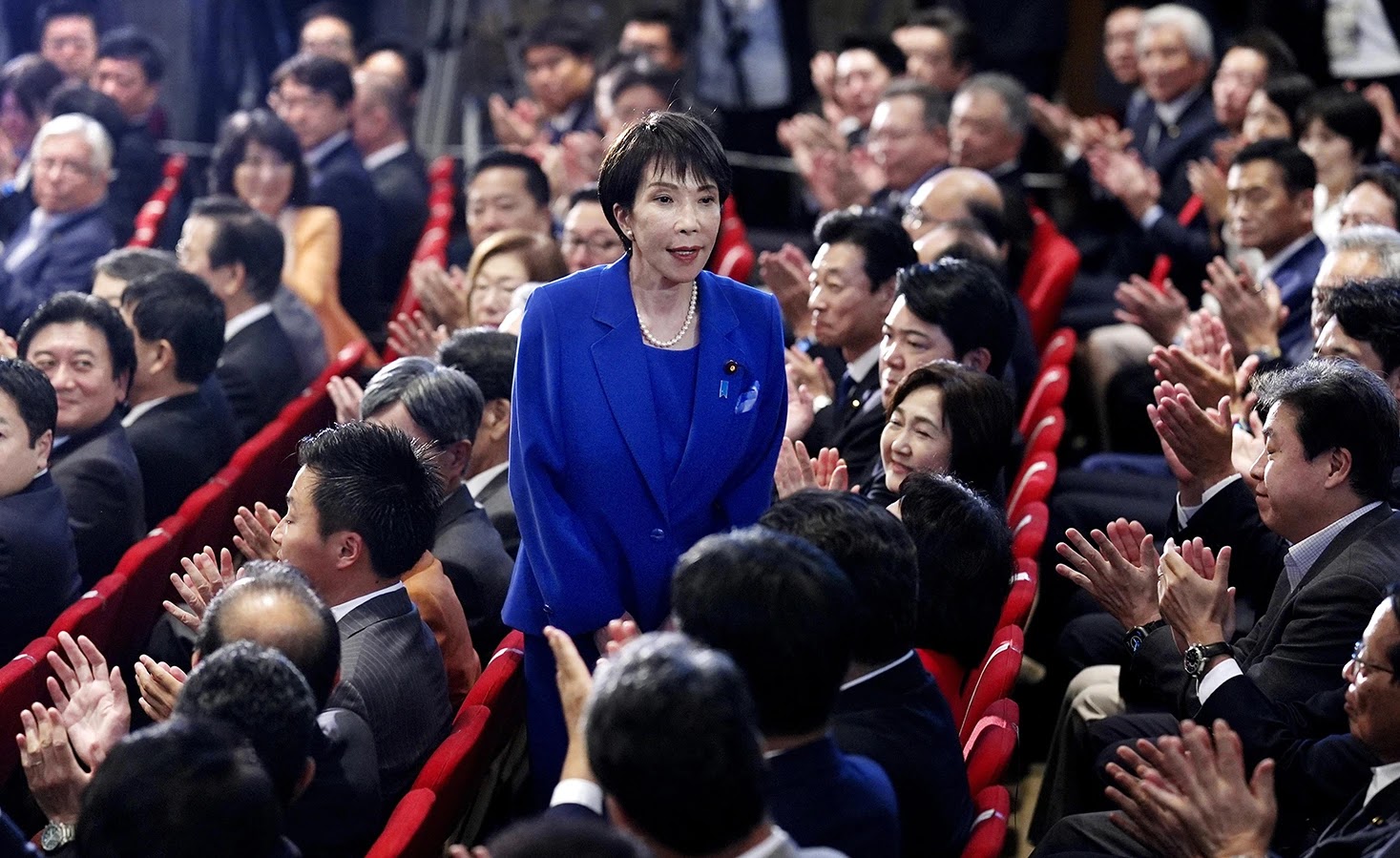


Beyond the immediate pressure points, structural dynamics continued to shape the landscape.
Wealth concentration translated into political leverage, digital assets tested their role during volatility, environmental disasters highlighted accumulated exposure, and demographic decline reduced future elasticity.
These forces move slowly but decisively, constraining what short-term policy and market responses can realistically achieve.




The convergence of these trends points to a single conclusion: pressure has become the operating condition.
Political authority, market signals, environmental stress, and demographic contraction are no longer sequential challenges but simultaneous constraints.
The system is not approaching equilibrium, it is tightening, and every decision now propagates faster and farther than before.