A Nation Under Water
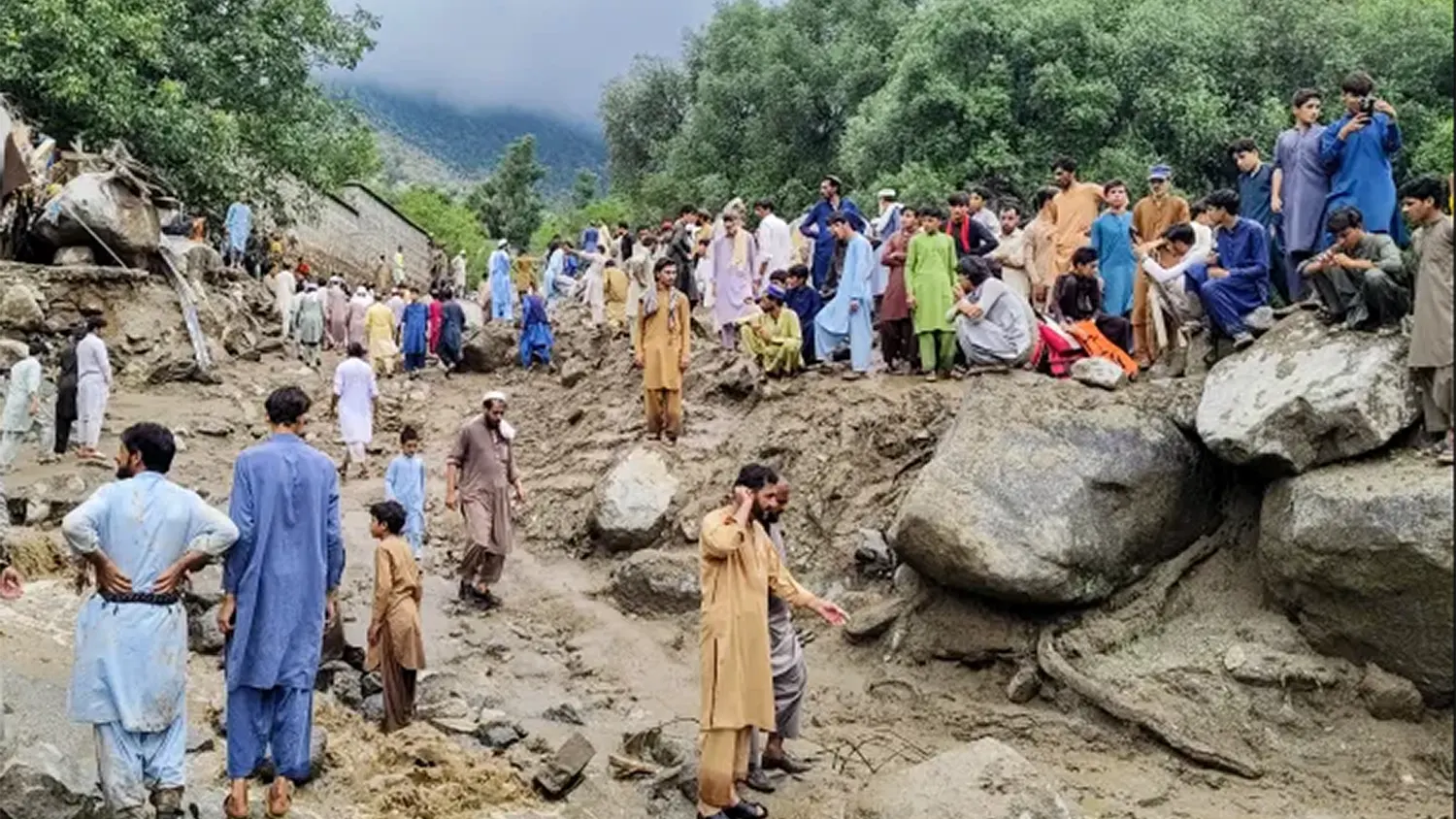
Pakistan is once again facing a devastating natural disaster. Severe flash floods triggered by an unusually early monsoon season have swept across the country, leaving destruction in their wake.
With hundreds of lives lost and millions affected, the Pakistan floods crisis is rapidly evolving into a major humanitarian emergency. Entire communities have been displaced, infrastructure has collapsed, and rescue efforts are racing against time.
As the waters continue to rise, the focus is shifting from immediate survival to a larger question: how prepared is Pakistan for increasingly extreme weather events?
Widespread Destruction Across Key Regions
The scale of damage is staggering.
The mountainous province of Khyber Pakhtunkhwa has been among the hardest hit. Intense cloudbursts and landslides have wiped out entire villages, leaving behind collapsed homes, destroyed roads, and isolated communities.
Thousands of houses have been damaged or completely destroyed. Critical infrastructure bridges, highways, and communication networks has also suffered heavy losses.
This widespread destruction has severely limited access to remote areas, making it difficult for emergency teams to reach those most in need.
Rescue Efforts and Growing Criticism
In response, the government has declared several regions disaster zones and deployed rescue workers along with military support.
These efforts include:
- Emergency evacuations
- Search and rescue missions
- Distribution of basic supplies
However, the response has not been without criticism.
Residents in affected areas say they received little to no warning before the floods struck. Many argue that weak early warning systems and limited preparedness contributed to the rising death toll.
Officials maintain that the sudden intensity of rainfall made accurate forecasting difficult. Still, questions remain about disaster readiness and response coordination.
Climate Change Driving Extreme Weather
Experts widely agree that this is not just a seasonal disaster, it is part of a larger trend.
Climate change is increasingly linked to extreme weather patterns in Pakistan, including heavier rainfall and more frequent flooding. Despite contributing less than 1% to global emissions, Pakistan is among the countries most vulnerable to climate related disasters.
This year’s monsoon rains have already exceeded historical averages, and forecasts suggest more heavy downpours are on the way.
This raises serious concerns about long-term resilience and the need for climate adaptation strategies.
Aid Efforts and International Response
As the crisis unfolds, humanitarian support is being mobilized.
Organizations such as Islamic Relief Pakistan and the United Nations are actively providing assistance on the ground. Their efforts include delivering:
- Food supplies
- Clean drinking water
- Emergency shelter materials
While some countries have offered help, the Pakistani government has indicated that it currently has sufficient resources to manage the crisis.
Even so, the scale of destruction suggests that long term recovery will require sustained support and coordination.
A Warning for the Future
The Pakistan floods are more than a natural disaster, they are a warning.
With rising death tolls, massive displacement, and infrastructure damage, the crisis highlights the growing impact of climate change and the urgent need for better preparedness.
While rescue efforts continue, the focus must also shift toward rebuilding and strengthening resilience against future disasters.
For Pakistan, this moment is not just about recovery, it’s about rethinking how to confront a future shaped by extreme weather.
Continued attention, investment in early warning systems, and global cooperation will be critical to preventing similar tragedies in the years ahead.