Seven Drones, One Capsized Warship in Benghazi
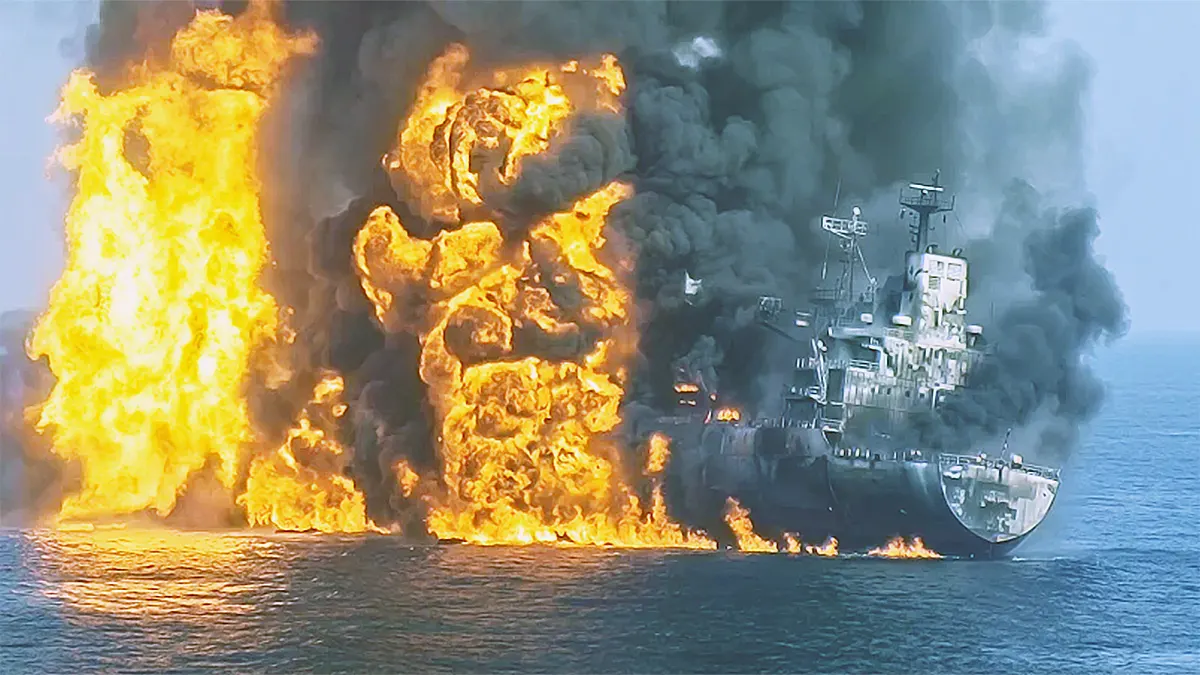
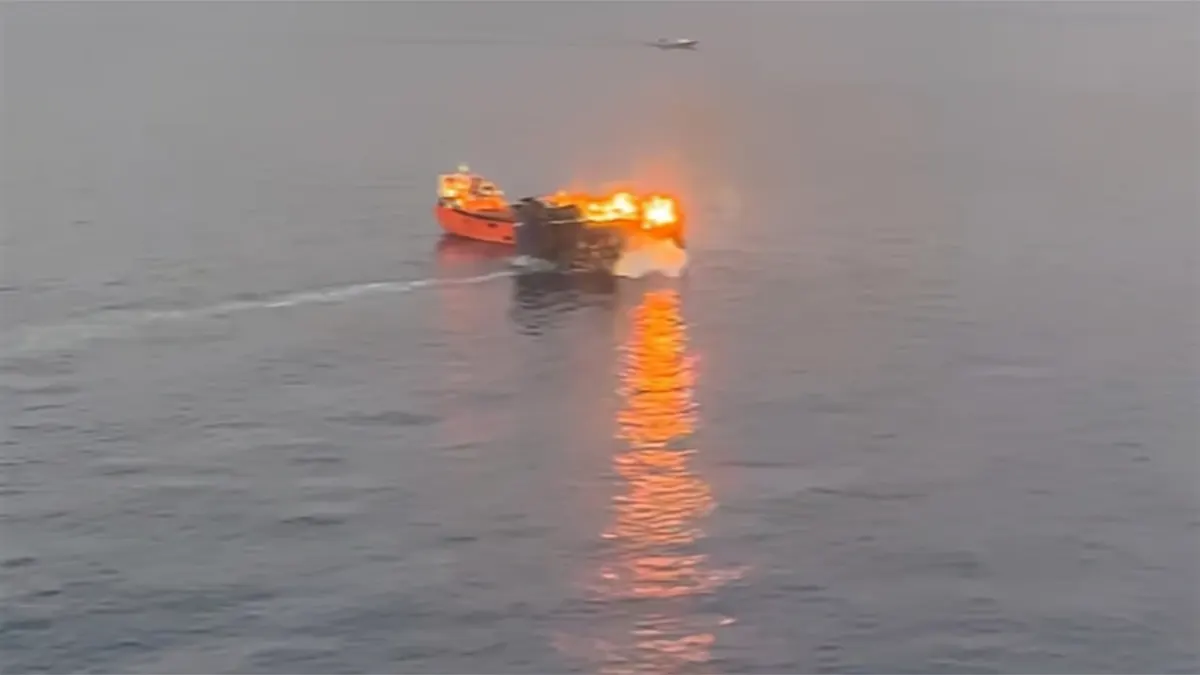
Ukraine has taken the war far beyond its own coast. On Sunday, 22 November, a suspected sea-drone strike hit the Russian corvette Merkury at the Benghazi naval base in eastern Libya, severely damaging it and starting a fire, according to two Libyan military officials. Satellite images later showed the ship capsized at the base.
The next day, Ukraine publicly claimed the attack. President Volodymyr Zelenskyy said Ukrainian forces used seven domestically made naval drones, and that a Russian military helicopter was destroyed and a cargo ship hit. Those details have not been independently verified. The Merkury itself is a fairly new warship, commissioned in 2023.
Why a Russian Warship Was Docked in Libya
The Merkury was not there by accident. The Institute for the Study of War said it had stopped in Benghazi to refuel and resupply while escorting Russian cargo ships. Eastern Libyan authorities said it was in port under maritime cooperation arrangements with Russia.
This is where Libya’s split politics matter. Benghazi sits in the east, under a rival administration to the UN-recognized government in Tripoli. That helps explain why a Russian warship could dock there, and why the strike drew angry reactions from both sides.
The Second Ship and the Question of Casualties
The Merkury was not the only target. A Malta-flagged commercial vessel was reportedly hit off the Benghazi coast. Ukraine alleged that Russia was using the dry cargo ship to transport weapons. Kyiv named it as the sanctioned MV Angara. One caution: Zelenskyy’s statement did not establish that the Angara was docked at the naval base.
The human toll is still unclear. Al Jazeera, citing unnamed local sources, reported that an unknown number of Russian and Libyan nationals were killed. Eastern authorities, meanwhile, reported 10 Russian and Libyan crew members injured. No official death toll has been released.
Libya’s Two Governments Both Cry Foul
The reaction in Libya was swift. Tripoli’s Foreign Ministry condemned any foreign military operation in Libyan territory or waters and asked Kyiv for an explanation. It also took a swipe at the east, saying that hosting foreign forces and giving them access to national facilities invites outside conflicts to spill into the country.
The eastern administration called the strike a violation of Libyan sovereignty. It also opened a joint investigation with Russia into who was behind it. The UN mission in Libya called for an immediate, independent and transparent investigation, warning that the country must not become a battleground for foreign conflicts. Moscow’s reaction was restrained: Kremlin spokesman Dmitry Peskov said Russia had taken note of Zelenskyy’s statement.
Where Did the Drones Come From? The Answer Is Still Murky
One of the biggest open questions is how the drones reached Benghazi. Two Libyan military officials told the Associated Press that an initial investigation suggested the drones were launched from a facility run by Ukrainian forces in western Libya. The eastern administration has asked for an international investigation into reports of Ukrainian personnel or military units there.
Can You Sink a Warship in a Neutral Port?
The strike raises a tricky legal question. A Russian warship is a legitimate military target in a war with Ukraine. But under the traditional rules of naval neutrality, such as the 1907 Hague Convention XIII, warring countries should not carry out attacks inside the ports or waters of a neutral state.
Libya’s situation makes it messier. Neutral countries are also expected not to let one side use their ports as a military base, and Libya has no single government in control. Most legal experts would still say that striking inside another country’s harbor, without its consent, is a breach of its sovereignty. Ukraine has argued the ship was a legitimate target, and I haven’t found a formal reply from Kyiv to Tripoli’s demand for an explanation.
The Same Week, a Warning About Ships and Food
The strike came as the UN was already warning about the war at sea. On Monday, the UN told the Security Council that drone attacks on commercial ships in the Black Sea were threatening food exports, with 164 attacks on commercial vessels recorded between June and October. The same briefing noted that civilian casualties in Ukraine were up 95% from a year earlier, and that two ships hit in mid-November had sunk.
The US representative’s message was blunt: the best way to protect food supply chains in the Black Sea is to end the war.