When Ukrainian President Volodymyr Zelenskyy issued a one-week ultimatum to Belarus on June 19, 2026, demanding the shutdown of four Russian drone relay stations on Belarusian soil, most observers expected defiance from Minsk. What they got instead was something far more revealing: quiet compliance, followed by loud bluster.
Within three days, the stations went dark. Within a week, Lukashenko was publicly warning Ukraine that dragging Belarus into the war would change “the nature of the war” entirely. The sequence tells you everything you need to know about where the real leverage lies right now.
The Ultimatum That Actually Worked
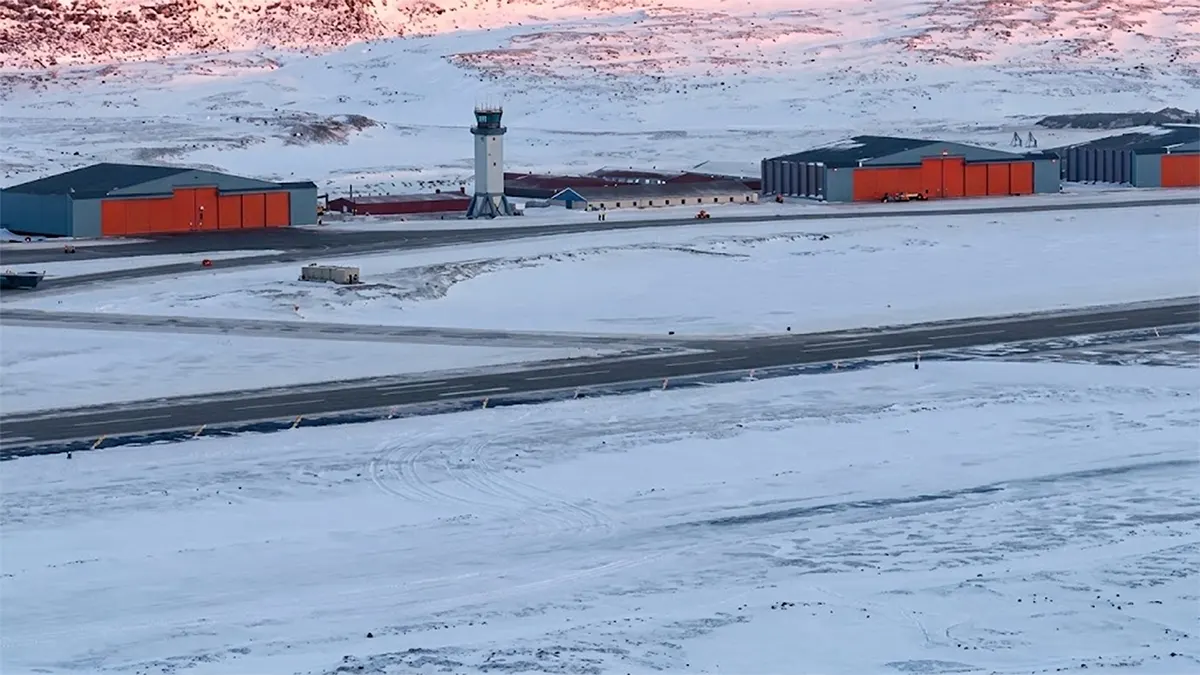
The drone relay stations in Belarus’s Gomel and Brest regions weren’t a minor irritant, they were critical infrastructure extending Russian strike drone range deep into western Ukraine. Zelenskyy made the stakes plain: dismantle them, or Ukraine would.
On June 22 just three days after the warning Ukrainian Armed Forces Commander-in-Chief Oleksandr Syrskyi confirmed the stations had gone completely offline. Cross-border drone traffic dropped to zero. By June 24, Zelenskyy was confirming the shutdown publicly, noting that while the physical hardware may not have been fully dismantled, the immediate threat had been neutralized.
Belarus didn’t announce the shutdown. It didn’t negotiate. It simply switched them off.
Why Lukashenko Quietly Folded
Military analysts describe Lukashenko as caught between two uncomfortable realities. On one side: deep economic and political dependence on Moscow, which demands visible loyalty. On the other: Ukraine’s rapidly expanding deep-strike capabilities, which have repeatedly demonstrated the ability to hit targets far inside Russian territory and which could just as easily reach Belarusian infrastructure.
Deploying his own military into Ukraine would make things dramatically worse. Belarusian troops are poorly equipped, have low morale on this specific conflict, and are far more valuable to Lukashenko at home, keeping domestic dissent in check. His own population remains deeply opposed to direct involvement in the war.
So he made the only rational call available to him: disable the Russian electronics, avoid the strikes, and then immediately hold a press conference to make sure everyone knew he was still very much on Moscow’s side.
The Meeting Zelenskyy’s Team Didn’t Talk About
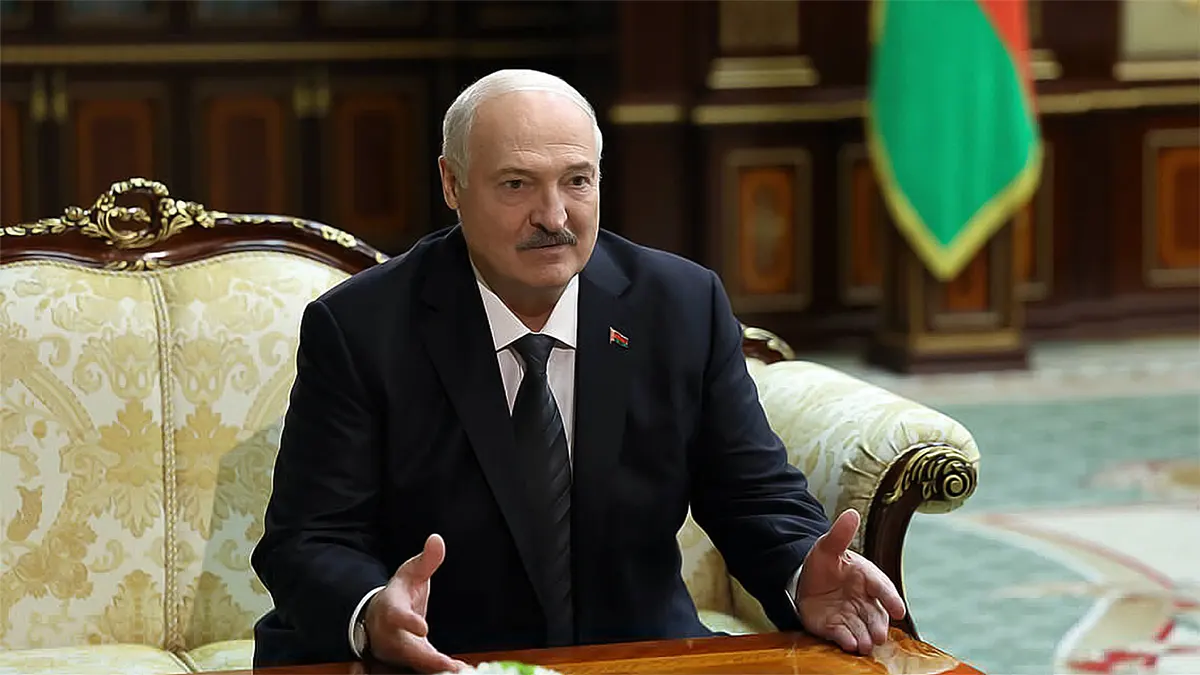
Lukashenko’s public statements came during a meeting with Moscow Region Governor Andrei Vorobyov but buried in his remarks was a significant admission: he had already met privately with envoys sent by Zelenskyy. He claimed Kyiv understands the stakes and urged Ukraine to drop “bravado and shouting” and negotiate a serious agreement.
He also, notably, downplayed the threat of his own military engaging Ukrainian forces near the border, describing the territorial defense troops stationed there as “machine operators, milkmaids, and working-class guys” who have no desire to fight Belarusians and said Belarus feels the same way.
It was a remarkable softening disguised inside threatening language.
Reading the Rhetoric: Three Audiences, One Speech
Lukashenko’s warning that Belarus could trigger “a completely different war” was never really aimed at just one audience. Geopolitical analysts recognize it as classic strategic projection using aggressive public language to conceal a weakened position. The speech was doing three jobs simultaneously.
For the Belarusian public, it reframes the narrative: Belarus is the peaceful party being provoked. Any future conflict becomes unavoidable self-defense, not a choice Minsk made willingly.
For the Kremlin, it’s a loyalty signal. After quietly backing down on the drone stations, Lukashenko needed a loud, public display of anti-Kyiv defiance to reassure Vladimir Putin that Belarus remains a committed partner not a soft link in the chain.
For Kyiv, it draws a new red line. The message underneath the noise: we tolerated the ultimatum on the drone stations, but actual kinetic strikes on Belarusian territory cross a line we cannot absorb politically.
What “A Completely Different War” Would Actually Mean
The phrase wasn’t empty. If Belarus were drawn into active conflict, the consequences would be severe and immediate.
A second front stretching 1,000+ kilometers would open along Ukraine’s northern border. Even without a large standing army, Belarus’s entry would force Ukraine to divert tens of thousands of frontline troops away from the east and south to permanently secure the north, a significant strategic drain.
There’s also the Union State treaty to consider. Russia and Belarus are bound by a mutual defense clause; a formal attack on Belarusian soil would legally obligate Moscow to treat it as an attack on the Russian Federation itself, potentially triggering further mobilization or escalatory doctrines.
And then there’s the most dangerous variable of all. In 2023, Russia completed the deployment of tactical nuclear weapons onto Belarusian territory, with Lukashenko maintaining nominal joint control over their storage. Their presence adds a layer of strategic deterrence to any escalation along the northern border that neither side can fully ignore.
The Tightrope He’s Been Walking Since 2022
None of this is entirely new behavior. Since Russia’s full-scale invasion began, Lukashenko has operated according to a very specific logic: maximum vocal support, minimum physical participation.
He has opened Belarusian airspace to Russian bombers. He has allowed his territory to serve as a logistics hub and equipment repair depot. He permitted or at least didn’t stop Belarus being used as the staging ground for Russia’s early march on Kyiv in 2022.
But he has consistently refused to commit Belarusian troops to the actual fight. That line has held through three-plus years of war, and the drone station episode suggests it’s holding still just now being tested from a direction Lukashenko didn’t anticipate.
What changed in June 2026 is that Kyiv stopped waiting for Minsk to choose sides and simply enforced a consequence. The relay stations are off. The lesson has been delivered. And Lukashenko, for all his public thunder, is now trying to frame his own compliance as a gesture of strength.
The timeline disagrees.