The Velocity of the Spike
A sudden surge in oil prices is once again sending shockwaves through the global economy but this time, the speed and scale are far more dangerous.
In less than a month, Brent crude has surged from the mid $60s to over $114 per barrel. This is not a gradual supply imbalance, it is a systemic shock unfolding in real time.
When oil moves this quickly, the consequences extend far beyond fuel costs, feeding into food prices, industrial output, and political stability.
The Turning Point: From Risk to Reality
The latest price surge marks a decisive shift in market thinking. Investors are no longer pricing in the risk of disruption, they are pricing in actual supply loss.
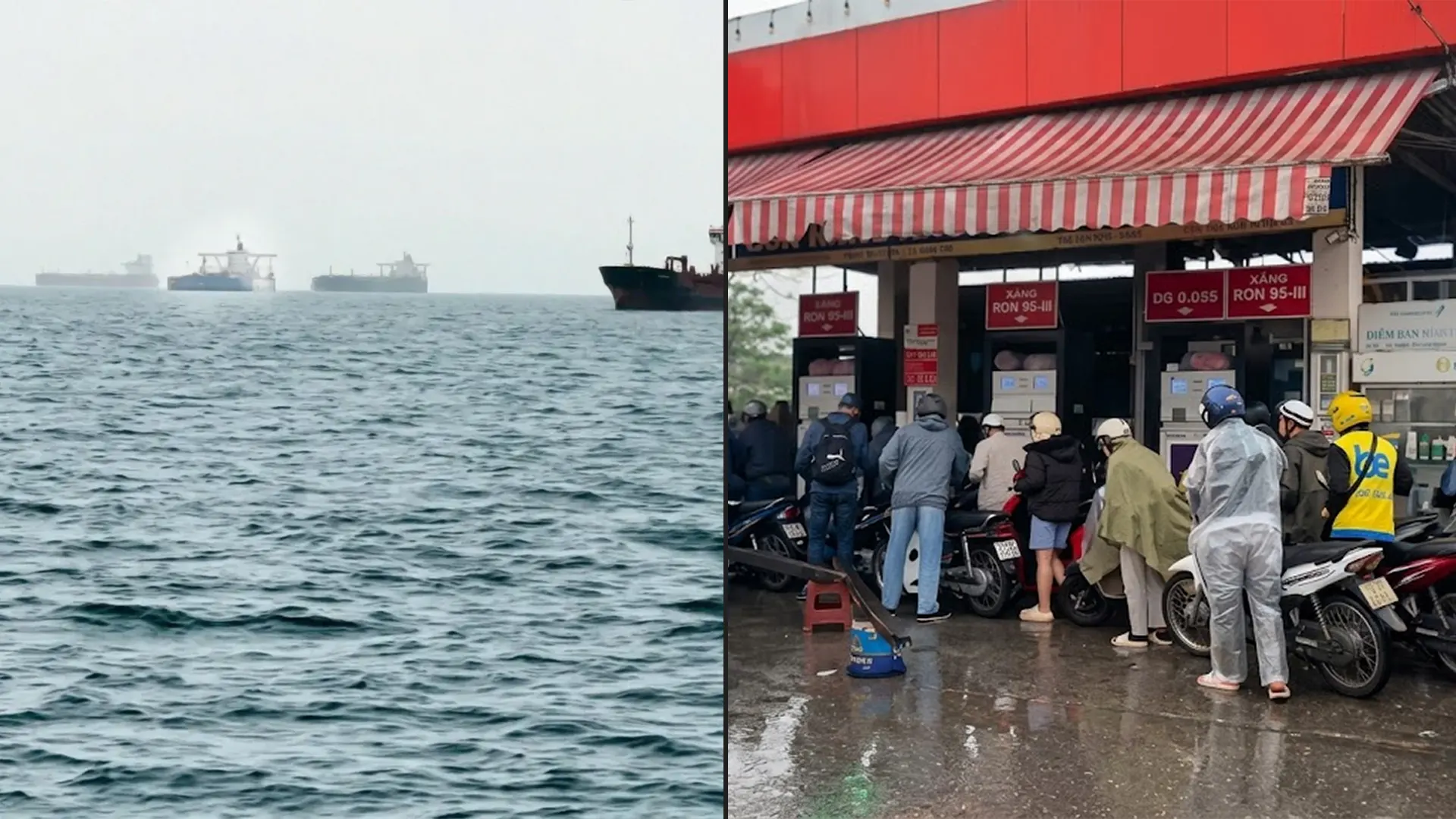
Following joint U.S.-Israeli strikes on Iranian nuclear and military infrastructure, the focus has turned squarely to the Strait of Hormuz. This narrow waterway carries a significant share of the world’s oil supply. With tanker traffic sharply reduced and access increasingly uncertain, global markets are now confronting a real and immediate supply constraint.
This is why prices have moved so abruptly. It is not speculation, but repricing.
A sudden loss of millions of barrels per day cannot be easily replaced, even with emergency reserves.
The fact that both Brent crude and U.S. benchmark WTI have surged in tandem reinforces the scale of the disruption. This is no longer a regional issue, it is a global energy shock.
The Domino Effect: A Crisis Spreads Unevenly
As oil prices climb, the consequences are cascading across the global economy but not evenly. Countries that depend heavily on imported energy are feeling the strain first and most severely.
In the Philippines, the government has declared a State of National Energy Emergency, signaling how quickly the situation has escalated. Authorities are preparing for fuel rationing and potential disruptions to transport and aviation, underscoring the fragility of supply chains.
Across South Asia, the pressure is even more immediate. Pakistan has already shortened its workweek and closed schools in an effort to conserve fuel. Bangladesh is taking similar steps, limiting fuel sales to prevent a run on dwindling reserves. These are not precautionary measures, they are signs of systems under stress.
Elsewhere, the crisis is becoming more acute. In Cuba, repeated nationwide blackouts have left millions without consistent electricity. When global supply shocks collide with fragile infrastructure, the result is not just economic strain, it is systemic breakdown.
War and Economics: Two Fronts of the Same Crisis
While many countries are managing shortages, others are confronting the crisis in more direct ways.
In Israel, the situation is defined by active conflict. Energy concerns are inseparable from immediate security threats. Missile strikes, restricted airspace, and the redirection of industrial capacity toward military needs have pushed the country onto a wartime economic footing. Daily life is shaped by both physical danger and rising costs.
Across the Atlantic, the United States is facing a different kind of pressure.
Here, the crisis is economic and institutional rather than physical, but no less significant.
Rising fuel prices are feeding into inflation at a time of political and fiscal constraint. Market confidence is wavering, reflected in equity declines and a shift toward safer assets.
The result is a domestic environment where energy costs are amplifying existing vulnerabilities.
Europe: The Return of Stagflation
The impact is particularly pronounced in Europe, where the energy shock is reviving a familiar and difficult challenge. The continent is once again confronting the risk of stagflation slow growth combined with rising prices.
Economic forecasts have already been revised downward, while inflation expectations are climbing. This creates a policy dilemma for central banks, which must balance the need to control prices against the risk of stifling already weak growth.
The United Kingdom appears especially exposed. Heavy reliance on imported energy, combined with rising costs in the food supply chain, is placing households under increasing strain. This “double squeeze” is eroding purchasing power and consumer confidence at the same time.
In Germany and France, the pressure is concentrated in industry. Higher energy costs are forcing companies to raise prices and reconsider production strategies.
As energy intensive sectors lose competitiveness, the broader question of Europe’s industrial resilience is coming into focus.
China: Prepared, but Not Immune
Amid the global disruption, China stands out for its relative preparedness. Years of strategic stockpiling and diversified supply have provided a temporary buffer against the price surge.
By increasing imports ahead of the crisis and deepening energy ties with Russia, Beijing has reduced its immediate exposure to market volatility. This has allowed its domestic economy to remain more stable than many of its peers.
However, this insulation has limits. Smaller refineries are already struggling with higher input costs, and restrictions on fuel exports are beginning to affect neighboring economies. Even a well prepared system begins to strain if disruptions persist.
Diplomatically, China is positioning itself as a mediator while maintaining relationships across the divide. Yet its cautious approach to shipping routes in the Gulf highlights a clear reality: no major power is fully insulated from the risks now unfolding.
The Path Ahead: Markets at the Mercy of Geopolitics
The trajectory of this crisis will depend less on economic policy and more on geopolitical developments. The key variables are military decisions and diplomatic outcomes, not interest rates or fiscal stimulus.
If disruptions in the Strait of Hormuz continue, supply constraints will remain tight. Further damage to infrastructure would deepen the shock, while failed diplomatic efforts could trigger additional escalation.
Under such conditions, oil prices are likely to remain volatile, with markets increasingly testing higher thresholds.
The Stakes: A System Under Strain
This is no longer just an oil story, it is a global systems story.
Energy underpins every major sector of the modern economy. When supply is disrupted at this scale, the effects spread quickly across borders, industries, and political systems.
The shock is already being felt. The critical question now is how far it will extend
and how resilient the global system will prove in the face of it.