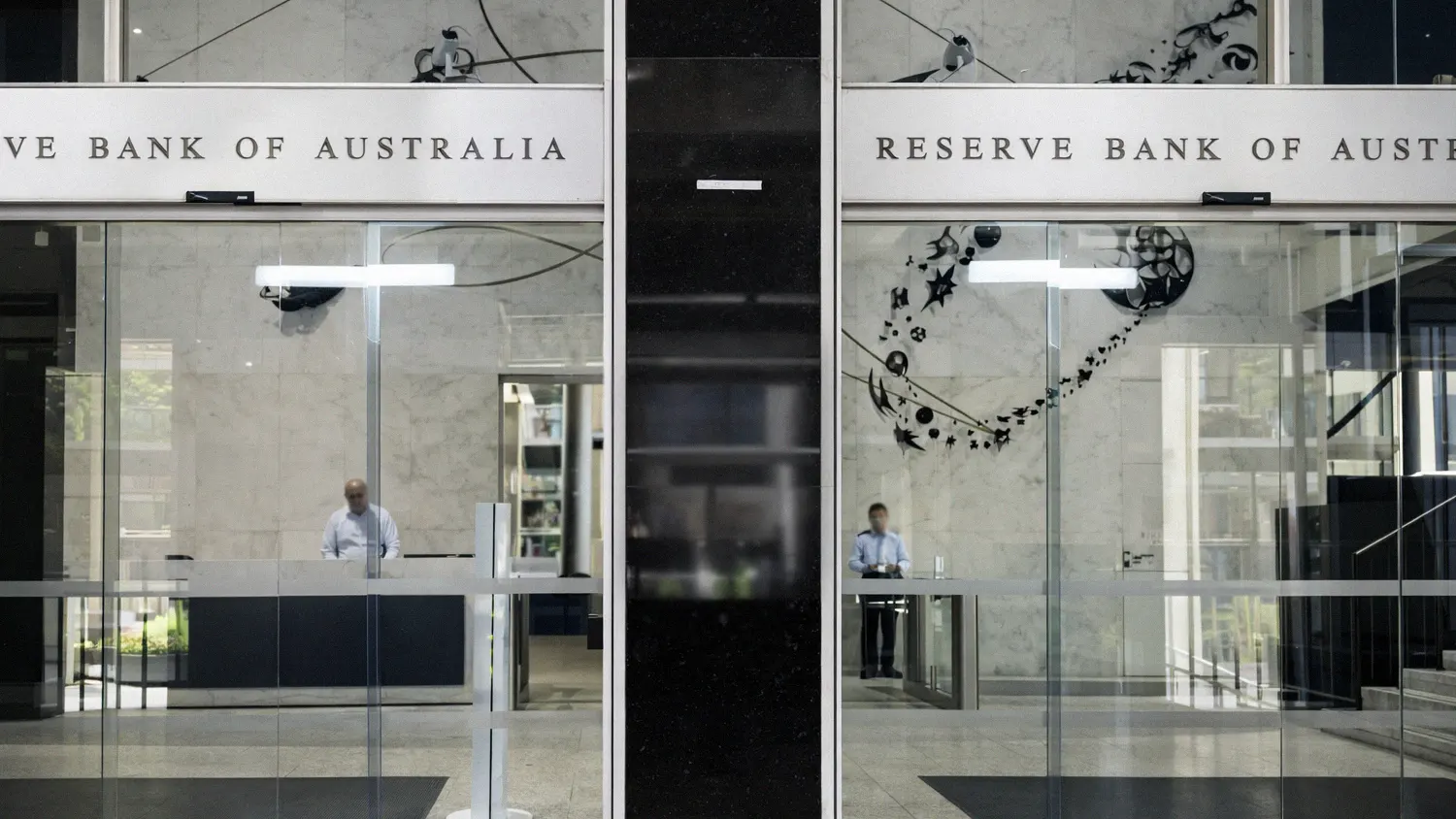
The Reserve Bank of Australia (RBA) has lifted interest rates again and for many Australians, the impact is immediate and unavoidable. The cash rate now sits at 4.1%, marking the second increase in just two months.
This isn’t just another routine move.
It’s a response to rising inflation at home and growing instability overseas.
Put simply, the RBA is trying to slow down spending before rising costs spiral further
out of control.
Why the RBA Raised Rates Again
At its core, this decision comes down to inflation. Prices were already rising too fast before global events made the situation worse.
Inflation was sitting at 3.8%, above the RBA’s 2–3% target range. Then came a major shock: conflict in the Middle East disrupted global oil supply.
As a result, fuel prices surged. In Australia, petrol has jumped from around $1.71 per litre in February to over $2.20 today.
Because fuel affects almost everything from transport to groceries, these rising costs quickly spread across the entire economy.
To counter this, the RBA raised rates. The goal is to reduce spending and ease pressure on prices before inflation becomes entrenched.
The “Perfect Storm” Behind the Decision
This rate hike is the result of multiple pressures hitting at once.
First, inflation was already “sticky,” meaning it wasn’t falling as quickly as expected.
Then came the global shock. The closure of the Strait of Hormuz, a critical oil shipping route has pushed energy prices sharply higher.
This matters because the longer the disruption lasts, the greater the inflationary pressure builds across the economy.
Because of this, the RBA chose to act now rather than wait for more data in May. This is already the second rate hike in 2026 and markets are bracing for more.
How the Big Banks Responded
The response from Australia’s major banks was swift and decisive.
All four CBA, Westpac, NAB, and ANZ confirmed they will pass on the full 0.25%
increase to variable rate customers.
However, these changes don’t take effect immediately.
New rates will kick in between March 27 and March 31, 2026.
This rapid reaction signals confidence in one thing:
Banks expect this is not a one off move, but part of a continued rate hiking cycle.
What This Means for Your Mortgage
For homeowners, the impact is immediate and painful.
Monthly repayments on a $600,000 mortgage will rise by about $91.
For a $1 million loan, that jumps to roughly $151 extra per month.
But there’s a bigger picture here.
This is the second rate hike in two months meaning it’s effectively a “double hit” for borrowers.
For the average Australian mortgage (around $736,000), repayments are now up by roughly $118 per month since the start of the year.
Another way to look at it:
For every $100,000 you owe, your monthly repayment increases by about $15.
This creates a real squeeze. Money that once went toward daily living is now being absorbed by higher interest costs.
The Hidden Strategy: Slowing Down Spending
While this rate hike feels harsh, it’s part of a deliberate plan.
Think of the economy like a car moving too fast. The RBA is pressing the brakes by making borrowing more expensive.
But there’s more to it. With fuel prices rising sharply, households are forced to spend
more on essentials.
By raising interest rates, the RBA is ensuring people cut back in other areas instead of driving broader inflation.
Crucially, the central bank is watching global developments closely.
The closure of the Strait of Hormuz is a key concern because prolonged disruption
could keep energy prices elevated for longer.
If that happens, inflation could spread further.
The RBA is acting now to prevent a “wage price spiral,” where rising costs lead to
higher wages and even higher prices.
Is There Any Good News? (Savings Rates)
There is one upside if you have money in the bank.
Higher interest rates generally mean better returns for savers. Some accounts are
already offering rates between 4.85% and 5.60%.
However, there’s a catch.
Banks tend to raise loan rates quickly but delay increases for savings accounts.
Because of this, it pays to stay proactive.
Switching accounts or shopping around can significantly improve your returns.
Why a War Overseas Affects Your Wallet
It may seem surprising that global conflict can affect your mortgage but the connection is direct.
When oil supply is disrupted, fuel prices rise worldwide. That increases costs for transport, production, and logistics.
Businesses then pass those costs on to consumers.
Workers may demand higher wages to keep up.
If left unchecked, this creates a cycle of rising prices that becomes difficult to control.
That’s why the RBA steps in early.
It’s making borrowing more expensive today to avoid a much bigger cost of living crisis tomorrow.
What Happens Next? All Eyes on May
The big question now is what comes next.
Economists at major banks are already forecasting another rate hike in May,
which would push the cash rate to 4.35%.
The latest decision was a close call.
A narrow vote suggests the RBA is carefully weighing the risks.
Ultimately, the next move depends on one key factor:
Will global oil prices stay high?
If they do, another rate increase becomes increasingly likely.
How to Check If You’re Affected
If you have a loan or savings account, you don’t need to wait for a letter.
- Check your banking app for rate change alerts
- Look in your online banking inbox
- Search your bank’s latest announcements online
Also note the timing:
There’s usually a 10–14 day delay before new rates take effect, and repayment changes may follow in your next billing cycle.
In the end, this decision reflects a tough reality.
The RBA is deliberately making life more expensive now to prevent it from becoming
far more expensive in the future.