Imagine switching on the lights at home and knowing the electricity flowing through the wires was created by wind turbines turning along Ireland’s hills or solar panels quietly capturing sunlight on rooftops nearby.
That vision is becoming reality faster than many expected.
Ireland has just passed an important milestone: more than 8 gigawatts (GW) of renewable electricity capacity installed nationwide.
While the number may sound technical, the meaning is simple. Ireland is producing more of its own clean energy than ever before, reducing reliance on imported fossil fuels and moving toward a more stable and sustainable energy future.
Wind Power: The Hard Working Backbone
If Ireland’s renewable energy system had a veteran leader, it would be onshore wind power.
Today, wind farms provide roughly 5GW of installed capacity, making them the backbone of Ireland’s clean electricity network. During particularly windy months, wind energy can supply more than 40% of the country’s electricity, powering homes, businesses, and public services.
Wind power is especially valuable during winter months and overnight, when solar panels are inactive. This steady contribution has made wind the core engine of Ireland’s energy independence.
However, even this reliable source faces challenges. Sometimes wind turbines generate more electricity than the grid can safely absorb.
When this happens, operators must temporarily reduce output. This situation, known as “dispatch down,” occurs when excess renewable power cannot yet be fully integrated into the electricity network.
Grid operators such as EirGrid are tackling this issue through one of the most ambitious infrastructure upgrade programs in Ireland’s history, designed to strengthen the network and allow far more renewable energy to flow through the system.
Solar Power: The Rising Star
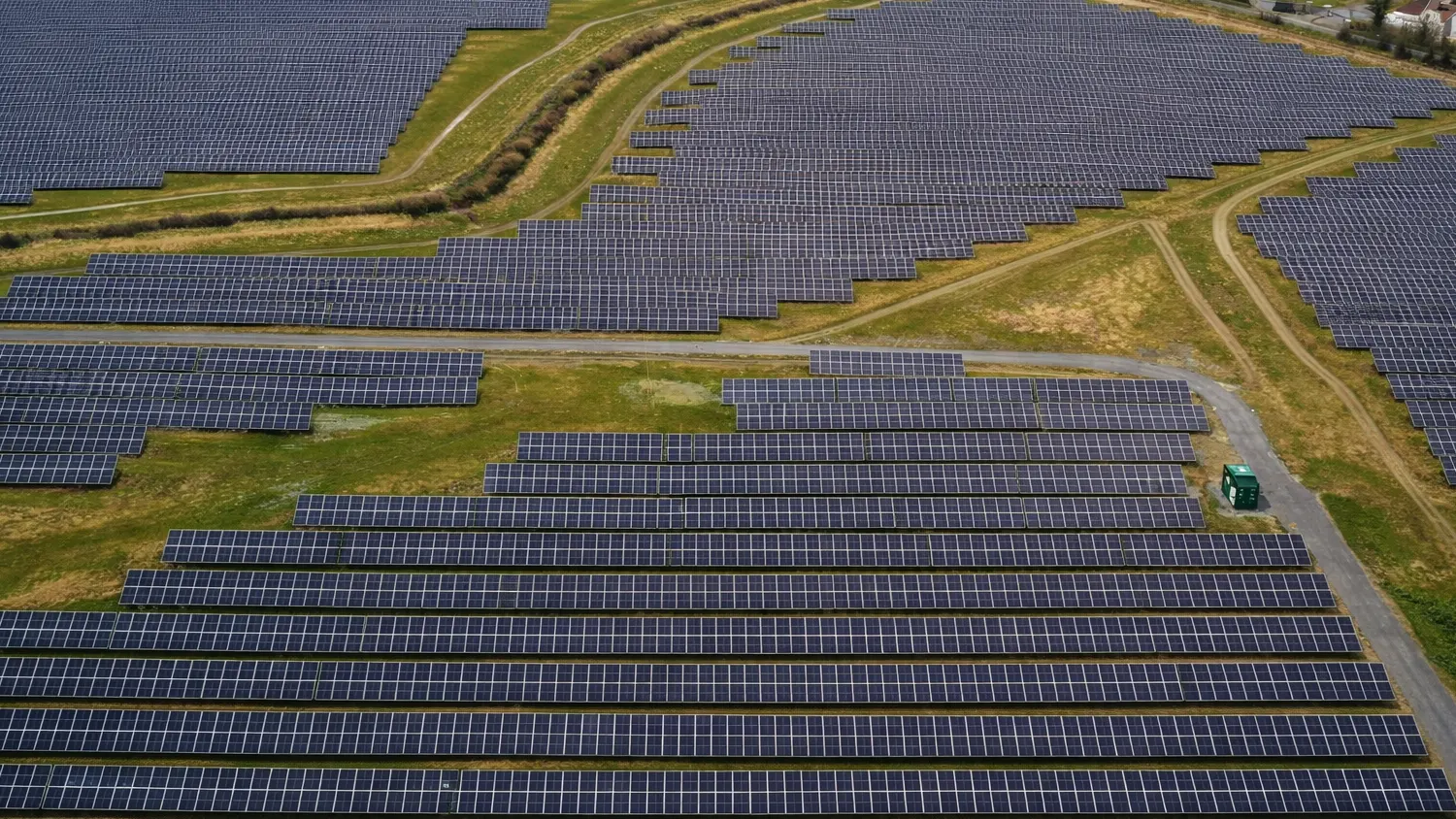
While wind has long been Ireland’s renewable foundation, solar energy has become the game changer in recent years.
Just a few years ago, solar contributed very little to Ireland’s electricity supply. Today, solar capacity has surged past 2.2GW, making it the
third largest source of indigenous electricity in the country.
The speed of this growth is remarkable. Across Ireland, more than 170,000 solar installations now sit on homes, farms, and businesses.
Much of this expansion has been driven by supportive government policies, including a 0% VAT rate on residential solar installations,
which has made rooftop systems significantly more affordable.
Because of these incentives, solar has transformed from a niche technology into a central pillar of Ireland’s power system in just about three years.
Why Wind and Solar Work Better Together
At first glance, wind turbines and solar panels might seem like competitors. In reality, they complement each other perfectly.
Solar panels produce energy during daylight hours, especially on bright days. Wind turbines, meanwhile, often generate electricity during different weather conditions and throughout the night.
This natural balance helps smooth out the ups and downs of renewable energy production, making the electricity grid more stable.
In simple terms, wind provides reliability while solar delivers speed and flexibility. Together, they create a stronger and more resilient clean energy system.
Momentum Is Still Building
Ireland’s renewable growth isn’t slowing down anytime soon.
In fact, the country connected 189 megawatts of new wind and solar capacity in just the first two months of 2026 alone.
That surge shows the 8GW milestone isn’t the finish line. It’s the launchpad for even faster expansion throughout the rest of the decade.
As new projects come online and rooftop installations continue spreading across the country, Ireland’s clean energy capacity will keep climbing.
Why This Matters for Households
The renewable milestone is not just about environmental progress
it also has real economic benefits.
According to Minister for Climate, Energy and the Environment
Darragh O’Brien, expanding renewable capacity plays a key role in protecting households and businesses from volatile fossil fuel prices.
In recent years, global energy markets have been shaken by geopolitical events and supply disruptions. Countries that rely heavily on imported oil and gas are often exposed to sudden price spikes.
Renewable energy changes that dynamic.
Wind and sunlight are local resources, meaning their availability isn’t affected by global fuel markets. The more energy Ireland produces domestically, the less vulnerable it becomes to international price shocks.
The Policies Powering Ireland’s Clean Energy Boom
Behind this progress are policies designed to make renewable energy both financially viable and accessible.
Two programs have played especially important roles:
- Renewable Electricity Support Scheme (RESS): This initiative helps large renewable projects, such as wind farms and solar plants, secure stable funding and attract investors.
- Micro generation Support Scheme (MSS): This program encourages households, farms, and small businesses to install solar panels and generate their own electricity.
These programs have helped transform renewable energy from a government ambition into a nationwide movement.
Ireland’s Big Climate Targets
The 8GW milestone is part of a much larger national strategy.
Ireland is working toward a goal where 80% of the country’s electricity will come from renewable sources by 2030.
That represents a dramatic increase compared with only a few years ago, when renewables supplied around 40% of the electricity mix.
The country also has a long term objective: reaching net zero emissions by 2050. This means reducing greenhouse gas emissions as much as possible and balancing any remaining emissions by removing carbon from the atmosphere.
Importantly, this goal is not just an aspiration. It is enshrined in law through the Climate Action and Low Carbon Development (Amendment) Act 2021.
Still, experts note that achieving these targets will require faster project approvals, major grid upgrades, and continued expansion of renewable infrastructure.
A Major Step Toward Energy Independence
Passing the 8GW renewable capacity milestone marks a significant shift in how Ireland powers its economy.
While renewable output still varies with weather conditions, this growing capacity can meet the electricity needs of hundreds of thousands of Irish homes, dramatically reducing reliance on imported fossil fuels.
In other words, the more Ireland invests in wind and solar power, the more control it gains over its own energy future.
What Individuals Can Do
The clean energy transition isn’t just driven by governments and
utilities individual actions also play a role.
Simple steps can help support Ireland’s renewable future:
- Consider rooftop solar panels if your home is suitable
- Use energy during daylight hours, when solar power is plentiful
- Choose energy efficient appliances to reduce electricity demand
These small actions add up. When thousands of households make smarter energy choices, they help strengthen the entire renewable system.
Looking Ahead
Ireland’s renewable journey is far from complete, but the progress
so far is impressive.
With wind acting as the reliable backbone and solar delivering rapid growth across rooftops nationwide, the country is building an energy system that is cleaner, stronger, and more independent.
Reaching 8GW of renewable electricity capacity is not just a technical milestone.
It’s proof that Ireland’s clean energy future is already taking shape. 🌱