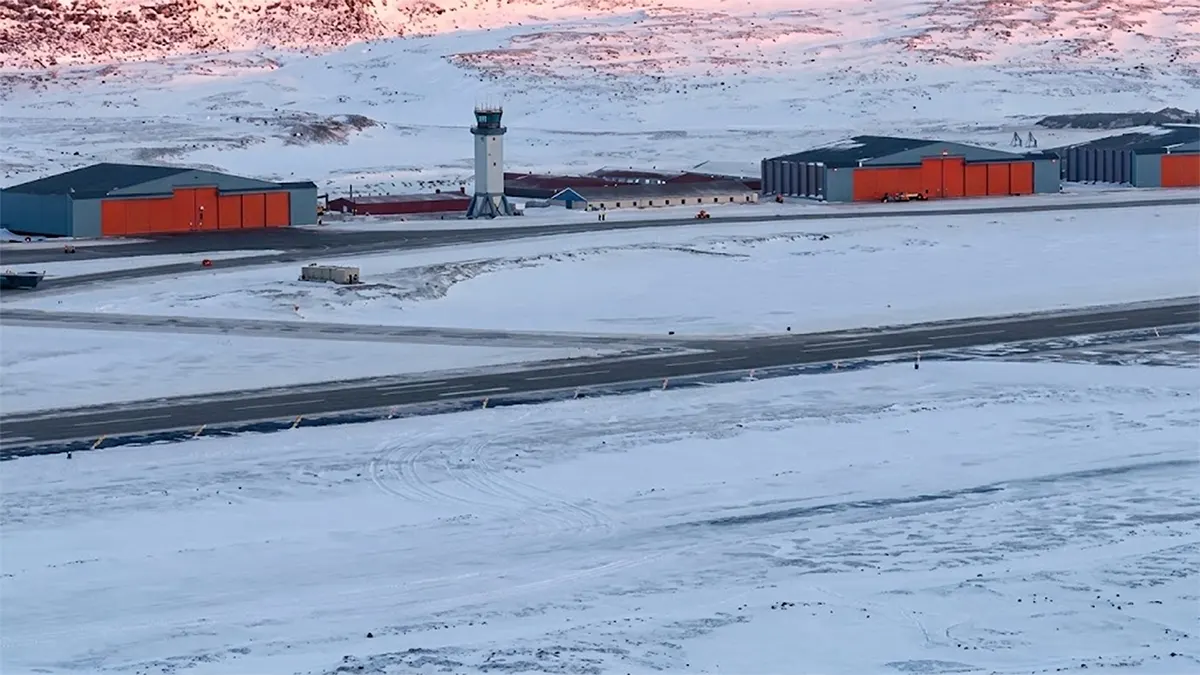
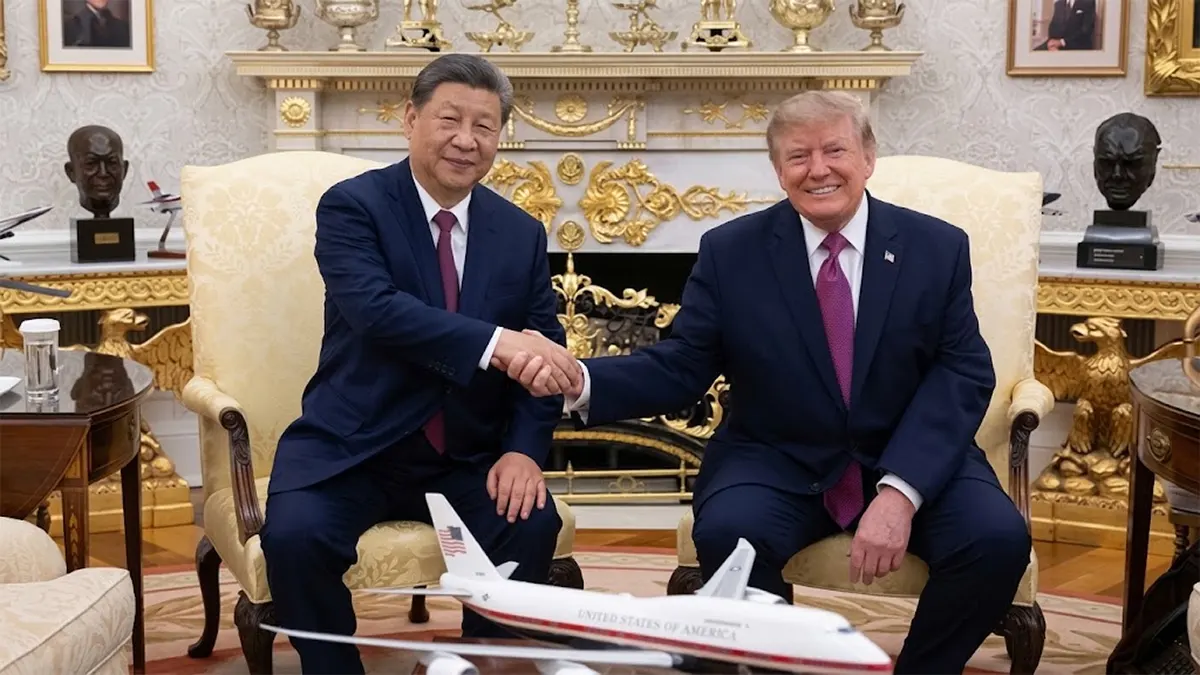
The international travel landscape shifted dramatically on February 9, 2026, as Air Canada officially announced the immediate suspension of all flights to Cuba. This decision, which has left thousands of Canadian travelers scrambling for a way home, is not merely a corporate logistics move, it is the first major geopolitical casualty of a high stakes “energy blockade” initiated by the United States.
For decades, Cuba has been a premier sun destination for Canadians, but a new U.S. Executive Order targeting the island’s oil supply has turned the Caribbean paradise into a logistical no-go zone.
The Catalyst: Executive Order 14380 and the “Energy Blockade”
The crisis began on January 29, 2026, when U.S. President Donald Trump signed Executive Order 14380. Citing “unusual and extraordinary threats” to U.S. national security, the order declared a national emergency and established a aggressive new tariff framework.
What the Order Dictates:
- Secondary Sanctions via Tariffs: The U.S. now imposes steep ad valorem duties on any country that “directly or indirectly” provides crude oil or petroleum products to Cuba.
- Targeting the Lifeline: By threatening major trading partners like Mexico and Venezuela with tariffs on all their exports to the U.S., the administration successfully pressured these nations to halt oil shipments to the island.
- The Goal: The stated objective is “systemic collapse” of the Cuban government’s energy infrastructure to force a democratic transition.
As of early February, Mexico which had become Cuba’s largest supplier in 2025 officially suspended all oil exports to the island to avoid U.S. trade retaliation.
Why Air Canada Pulled the Plug
The impact on aviation was instantaneous. On February 8, Cuban civil aviation authorities issued a NOTAM (Notice to Air Missions) warning that Jet A-1 fuel would be commercially unavailable at all major airports, including Havana (HAV) and Varadero (VRA), starting February 10.
The Problem with “Tankering”
While some airlines attempt “tankering” carrying enough fuel for both the arriving and departing leg this is not a viable long term solution for Air Canada’s fleet:
- Weight Limits: Large aircraft like the Boeing 787 or Airbus A330 become significantly heavier when carrying double fuel, often exceeding safety limits for landing on shorter runways.
- Cost: The extra weight increases fuel burn exponentially, making the flights economically impossible.
- Safety: Air Canada cited the “unreliability of fuel supply” as a primary risk. If a plane were forced to divert or hold in the air, it would have no “plan B” for refueling on the ground.
Consequently, Air Canada has cancelled all bookings to Cuba until at least May 1, 2026. Seasonal routes to Holguín and Santa Clara have been scrapped for the remainder of the year.
The Stranded: 3,000 Canadians in Limbo
As of today, approximately 3,000 Air Canada customers are currently on the ground in Cuba. The airline has activated its “repatriation protocol,” which involves:
- Empty Southbound Flights: Air Canada is flying empty planes to Cuba specifically to pick up stranded travelers.
- Technical Stops: These return flights are making stops in third countries, such as the Dominican Republic or the Bahamas, to refuel before continuing to Toronto or Montreal.
- Automatic Refunds: For those with future bookings between now and May, Air Canada is processing automatic full refunds within 10 business days, advising customers not to call busy contact centers.
The Canadian Government’s Diplomatic Tightrope
Ottawa finds itself in a difficult position, balancing its long-standing “constructive engagement” with Cuba against its most vital economic partnership with the United States.
Minister Joly’s Stance
Foreign Affairs Minister Mélanie Joly has characterized the U.S. move as an “extraterritorial overreach.” In a press briefing today, she emphasized:
- Economic Sovereignty: Canada argues that the U.S. cannot dictate the trade terms of third-party nations.
- USMCA Violation: Trade officials are preparing a formal challenge, suggesting the tariffs violate the United States-Mexico-Canada Agreement (USMCA).
- Retaliation Threats: There is growing pressure from the Canadian business community to implement “counter-tariffs” on U.S. goods if Canadian firms (like those in the nickel mining or energy sectors in Cuba) are harmed.
Humanitarian Concerns
Beyond politics, the situation on the ground in Cuba is deteriorating. With the fuel shortage affecting the electrical grid, the United Church of Canada and other NGOs are calling for an immediate increase in humanitarian aid. While the U.S. recently announced $6 million in aid for hurricane recovery, critics argue it is “a drop in the bucket” compared to the damage caused by the energy blockade.
Travel Outlook for 2026: Is Cuba Still an Option?
For travelers still hoping to visit the island, the options are narrowing:
- Air Transat & WestJet: These carriers have also suspended or heavily curtailed service.
- Charter Operators: Some smaller charters are still operating by stopping in Florida or the Caribbean to refuel, but prices have nearly tripled.
- Travel Insurance: Most providers now view the fuel shortage as a “known event,” meaning new policies may not cover cancellations related to the fuel crisis.
Quick Facts for Impacted Travelers:
| Carrier | Status | Restart Date |
| Air Canada | Suspended | May 1, 2026 (Tentative) |
| WestJet | Suspended | Reviewing weekly |
| Sunwing | Suspended | April 30, 2026 |
| Charter Flights | Limited | Ongoing (with stops) |
Conclusion: A New Era of “Trade Warfare”
The suspension of Air Canada flights to Cuba is a stark reminder of how quickly global travel can be paralyzed by trade disputes. As the U.S. continues to use tariffs as a tool for regime change, Canada must decide whether to align with its neighbor or defend its independent foreign policy at the risk of a trade war.
For now, the white sands of Varadero remain out of reach for thousands of Canadians, and the island faces its most difficult “Special Period” in over thirty years.