A surprise announcement on Election Day
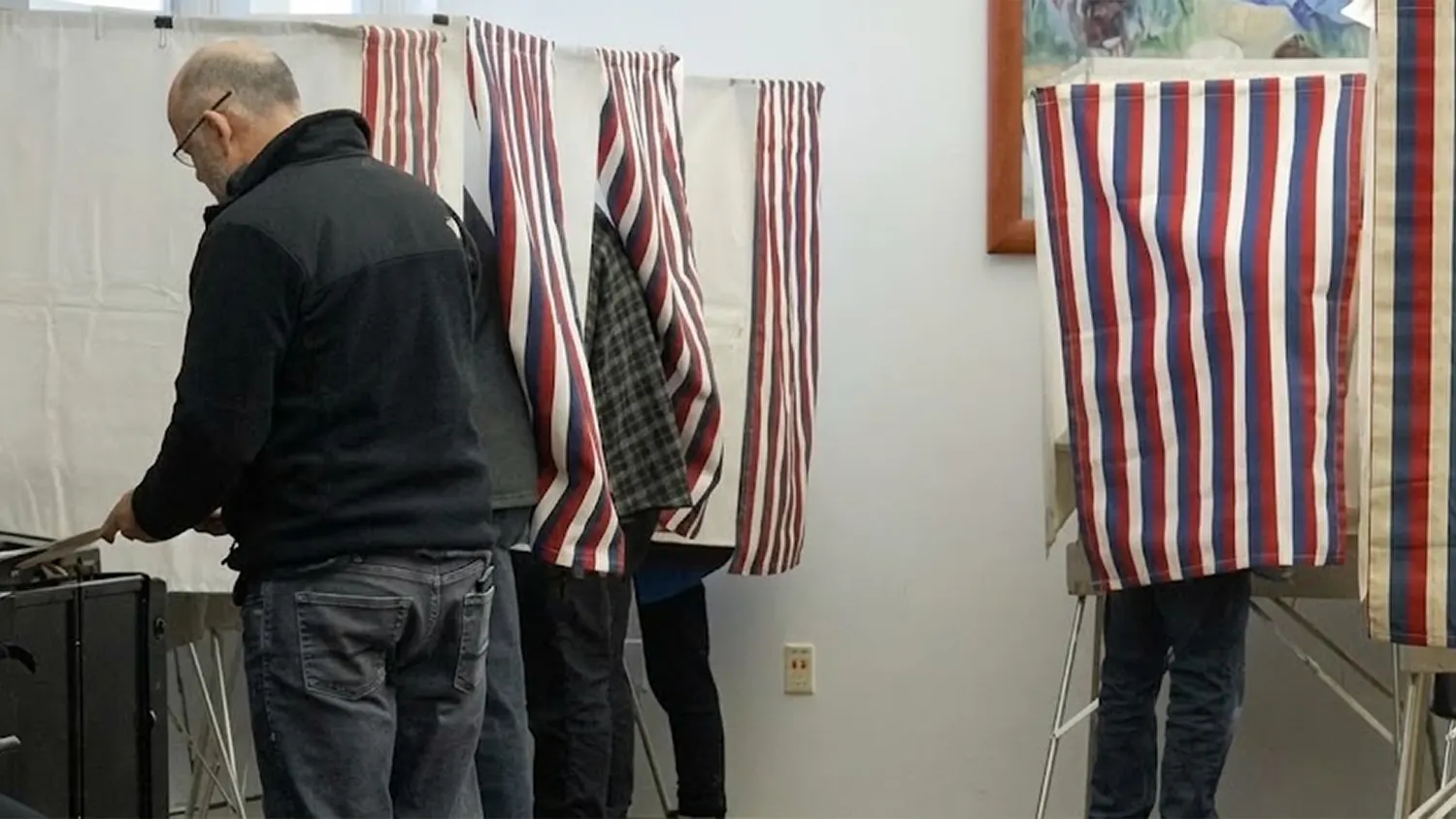
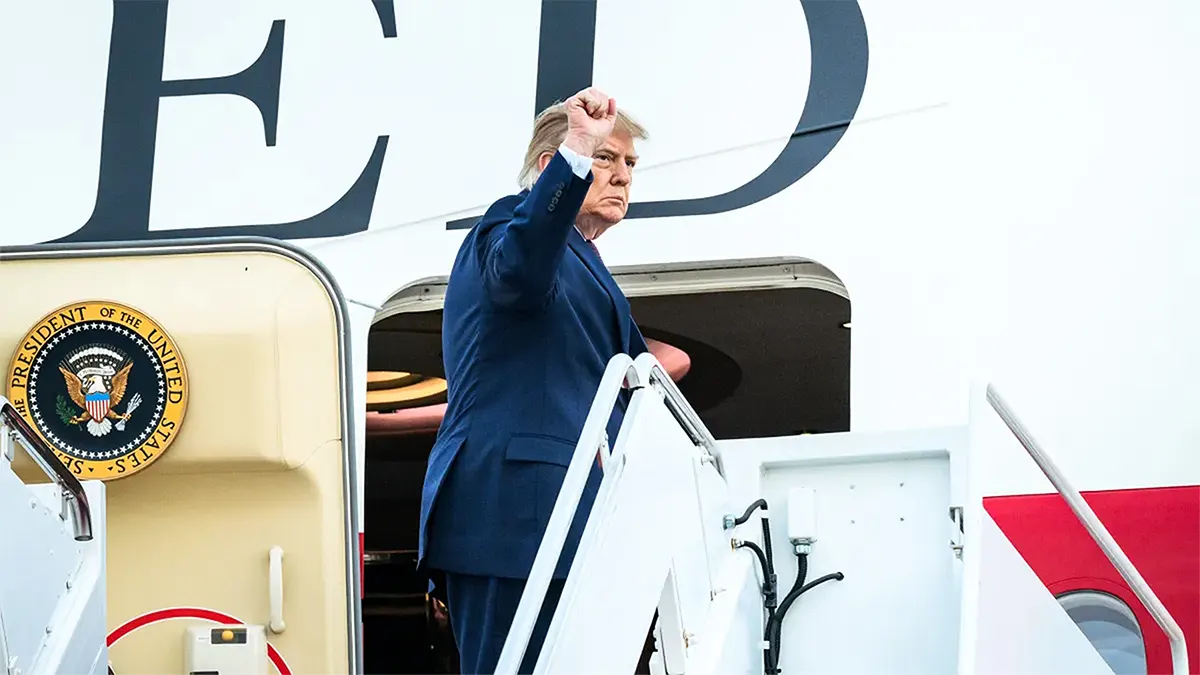
On Tuesday morning, as Americans headed to the polls, President Donald Trump said the US had made a deal with Prime Minister Benjamin Netanyahu to stop $4 billion in funding to Israel after the end of this year, while still selling weapons to its close ally. The announcement reportedly caught Israeli officials off guard.
Trump said it was Netanyahu’s idea, claiming the Israeli leader “brought it up”. He also gave a domestic reason: Republicans “suffer the slings” from Democratic candidates over the issue.
What “ending aid” actually means
Almost all of this money is military. It’s split into two parts. Under the current agreement, Washington pledged $3.3 billion a year in security assistance plus $500 million for cooperative missile defense.
The missile defense money helps fund systems like Iron Dome. The larger share is military financing, which mostly gets spent on American-made equipment. Israel never receives a pile of cash. If the aid stops, Israel can still buy US weapons, but it would pay for them from its own defense budget.
Why Israel hasn’t confirmed anything
Neither side has backed up Trump’s timeline. Netanyahu’s office didn’t respond to requests for comment, while Israeli financial and military officials voiced surprise and concern anonymously.
The biggest obstacle is paperwork. The 10-year agreement on US military aid runs until September 2028, and The Times of Israel called Trump’s claim “almost certainly false” for that reason. Congress also controls the purse strings, so a quick stop is far from simple.
The idea itself isn’t new. Netanyahu had already said he expects US aid to wind down over time. But reports suggest the two leaders weren’t on the same page. Two sources told Jewish Insider that Trump was bewildered when Netanyahu first proposed winding down aid.
A political shake-up on both sides
The timing is hard to ignore. Hours after Trump spoke, US media projected that Democrats would control both the House and the Senate. Some analysts saw the announcement as an Election Day move: they suggested it was timed as a political ploy.
Netanyahu faces his own problems. In Israel’s election a week earlier, his bloc won 53 seats, short of a majority, while the opposition took 48 and Arab-led parties took 19. His bloc held 68 seats in the previous parliament. That leaves him eight seats short of the 61 needed to govern. The new Knesset is due to be sworn in on November 10.
Netanyahu’s rivals quickly pounced. Trump’s announcement drew criticism from the Israeli opposition, who say it shows a weakening of the US-Israel relationship under his leadership.
What to watch next
Three things will decide how real this is. First, will Netanyahu confirm the deal, and on what terms? Second, how will the US get around the 2028 agreement? That could mean a formal change, or new rules for how the money is used. Third, how will Congress react now that Democrats are set to take over?
For now, “ending aid” is a promise from one side. Until Washington and Jerusalem agree on the details, the $4 billion question stays open.