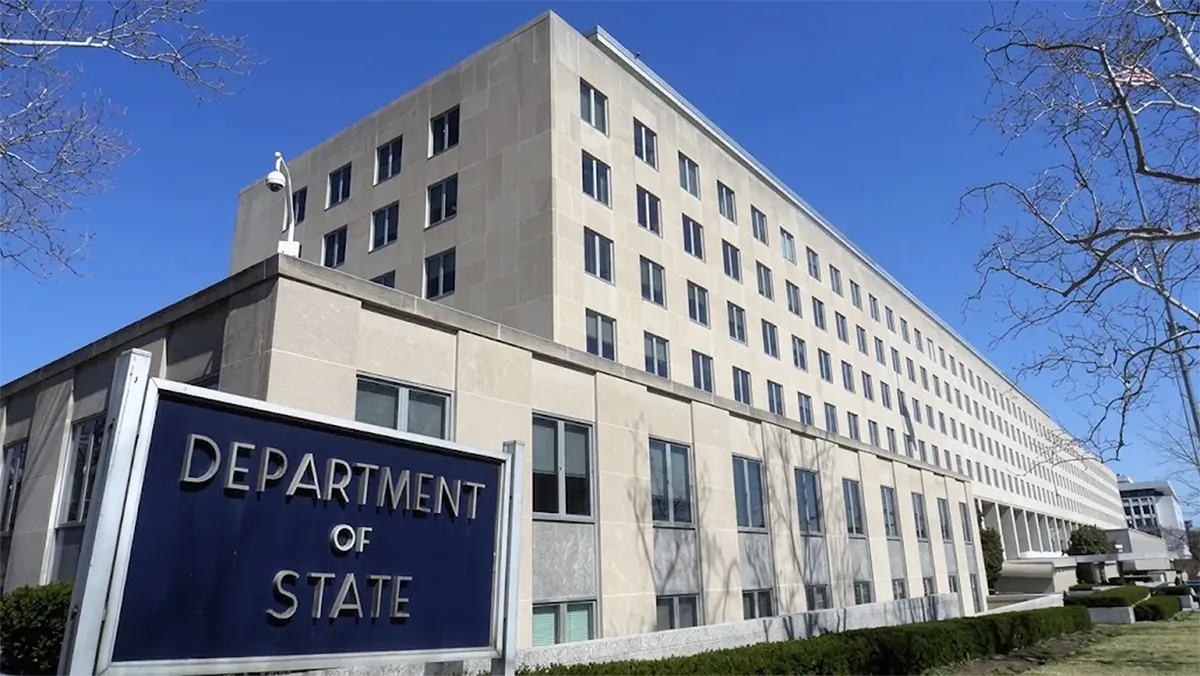
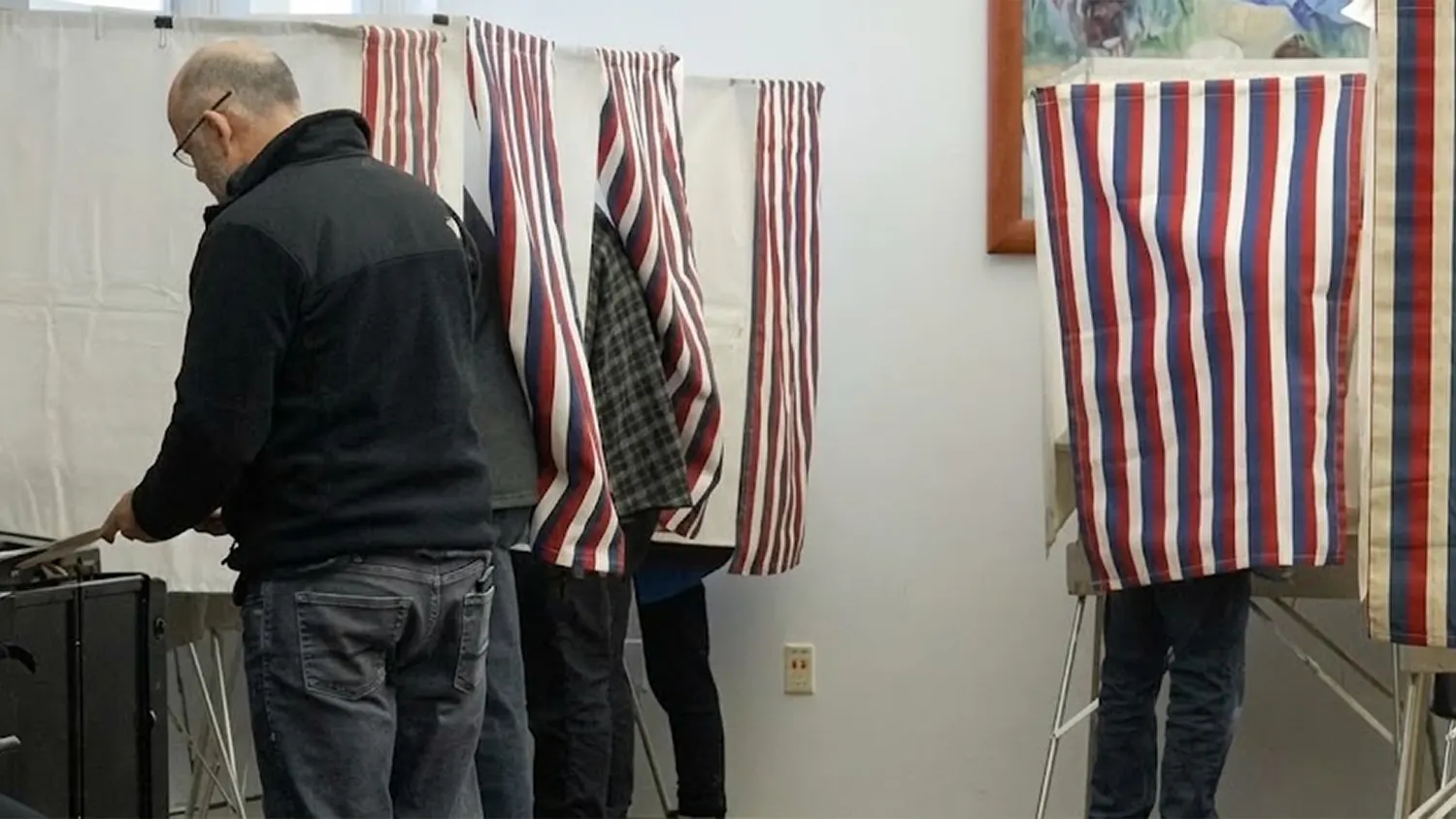
The 2026 midterms may have just changed Washington. Democrats are projected to take control of both the House and the Senate, according to major news outlets, ending the period when Republicans held all the power in Congress during President Donald Trump’s second term.
The results are still being finalized, and some West Coast mail-in ballots remain to be counted. But the overall picture is clear enough to shift the political balance in the capital.
A Wave That Reached Deep Into Red Territory
In the Senate, Democrats are projected to reach 54 seats, well past the 51 needed for control. The flips came in places few expected, including Texas, Maine, Kansas and Iowa.
In Texas, Democrat James Talarico defeated Ken Paxton, which would make him the state’s first Democratic senator in decades. In Maine, Troy Jackson unseated longtime Republican Senator Susan Collins. Democrats Adam Hamilton in Kansas and Josh Turek in Iowa also won their races. In Ohio, Sherrod Brown won the special election for the seat vacated by Vice President JD Vance.
The House tells a similar story. Democrats are projected to pass the 218-seat majority mark, with early tallies around 225 seats. They flipped more than two dozen competitive districts, including in Pennsylvania, Virginia, Wisconsin and Missouri.
History Made in the Governor’s Mansions
Democrats also scored big wins for governor. In Texas, Gina Hinojosa won and will be the state’s first Latina governor. In Georgia, Keisha Lance Bottoms won and is described as the first Black woman to serve as a governor in U.S. history. In Ohio, Amy Acton took the governor’s office.
Back in Washington, Democratic Leader Hakeem Jeffries is set to become the first Black Speaker of the House when the new Congress convenes on January 3.
Why “No More Rubber Stamp” Is the Real Story
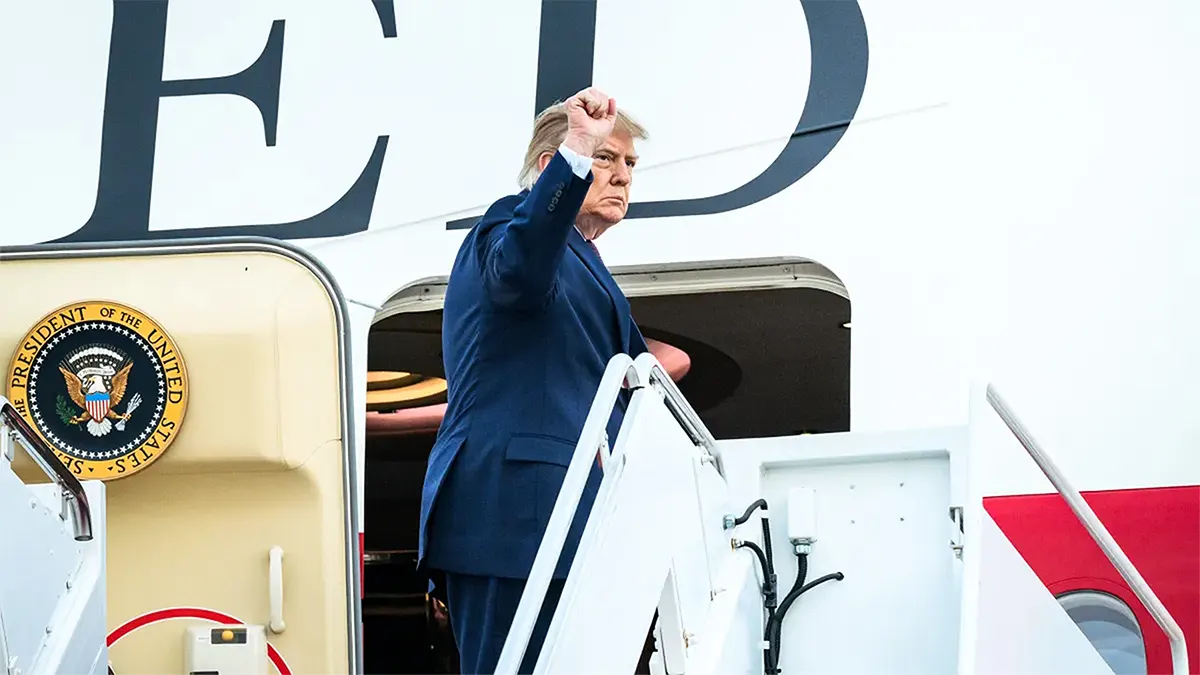
Starting in January 2027, President Trump can no longer pass laws with Republican votes alone. Any spending bill, budget plan or major domestic policy now has to be negotiated with Democratic leaders.
That matters most for money. The House controls federal spending, so Democrats gain leverage in fights over foreign aid, Medicaid, healthcare subsidies, tax rules and the budget. Trump has reportedly said he is prepared to work with the new leadership, but expect hard bargaining.
The Power to Say No to Judges and Cabinet Picks
Senate control gives Democrats a veto-like grip on appointments. They can slow or block federal judges, cabinet secretaries, agency heads and ambassadors. If a Supreme Court seat opens in the next two years, Trump would need bipartisan support to fill it.
Subpoenas and Investigations Are Coming
Democrats will also take over the committee chairs in both chambers. That brings subpoena power, which lets them legally demand documents and testimony from White House officials, cabinet members and private companies.
Likely targets include agency spending, how policies are carried out, and ethics questions. With the House majority, Democrats could also start impeachment proceedings against officials if serious misconduct is found.
Trump’s Likely Workaround: Executive Orders
Blocked in Congress, the White House is expected to lean harder on executive orders, agency rulemaking and presidential proclamations, especially on border security, federal workforce rules and tariffs.
The catch is that these actions are easier to challenge in court and easier for a future president to undo than a law passed by Congress. Trump also still holds the veto pen. Overriding a veto takes a two-thirds vote in both chambers, which Democrats are unlikely to reach alone.
What It Means for Immigration, ICE and Tariffs
Immigration and ICE: Democrats can use the power of the purse to limit ICE funding, restrict detention expansion and push back on higher work-visa fees. They are also expected to investigate detention conditions and local enforcement agreements. Protecting programs like DACA and TPS would still need 60 Senate votes and would face a possible veto.
Tariffs: The president has broad legal power to impose some tariffs without Congress. Democrats are expected to propose limits on emergency tariff powers, demand economic impact studies and back legal challenges. A full repeal would be hard to pass over a veto.