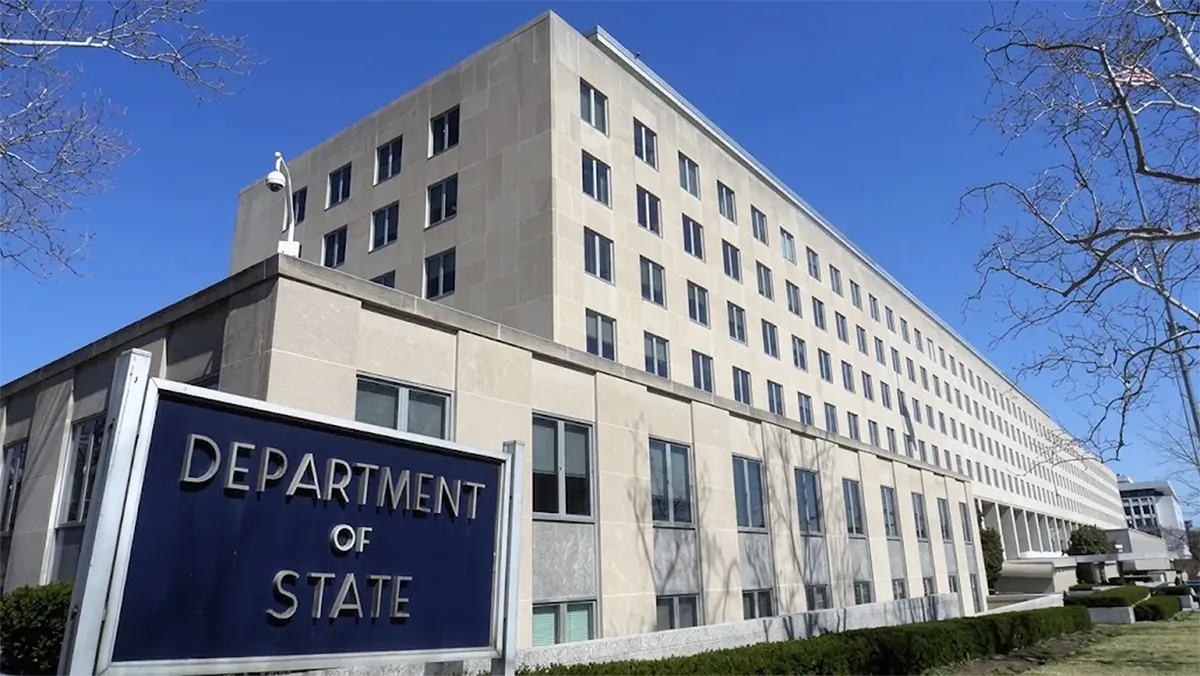
U.S. embassies across the Middle East have issued a fresh security alert for American citizens. It points to Houthi attack threats, Iranian efforts to target U.S. officials, and the risk of sudden flight cancellations and airspace closures. The alert went out through missions in Qatar, Saudi Arabia, the UAE and Israel, and the U.S. Virtual Embassy to Iran also covered it. It is the latest in a string of warnings that has built up over several weeks.
Why Washington Is Raising the Alarm Again
The State Department’s concerns fall into three areas.
- Houthi strikes. Intelligence points to a higher risk of missile, drone or aerial attacks by Iran-backed Houthi forces on infrastructure and transit routes. The Houthis have recently stepped up deadly strikes on Saudi energy sites and airports.
- Targeting of U.S. personnel. The alert describes active Iranian efforts to target American officials and diplomatic facilities in the region. One State Department message said Iranian plots against U.S. citizens had reached advanced stages in the Middle East and certain other countries.
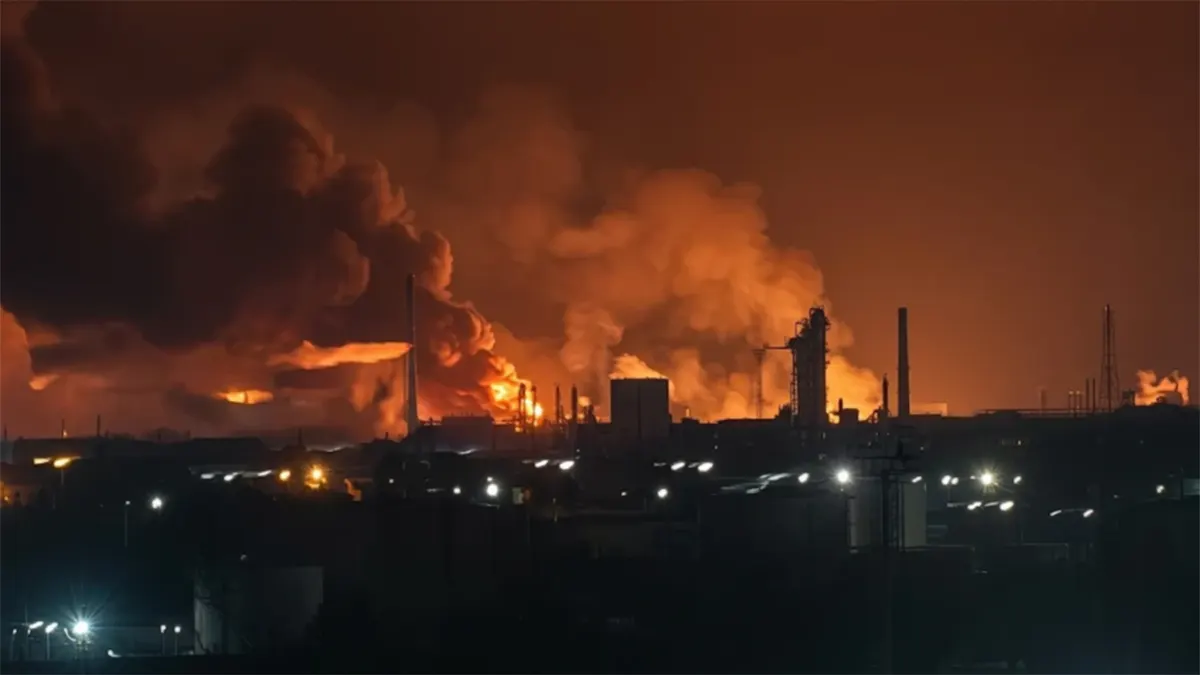
- Military escalation. Reports of strikes on air defense systems and heavier military activity near regional airspace make sudden closures more likely.
A Warning That Follows Weeks of Tension
The alert did not come out of nowhere. The State Department recently urged Americans to seriously reconsider travel to or through the Middle East, citing renewed fighting between the Houthis and Saudi Arabia. It also cut staffing at four U.S. embassies in the region after intelligence showed Iran had stepped up efforts to target American personnel.
In Saudi Arabia, non-emergency U.S. government employees and their families were ordered to leave. Staff who remain face strict travel limits, including a ban on going within 20 miles of the Yemen border without authorization.
The wider backdrop is a long conflict. The State Department issued a Worldwide Caution on Feb. 28, 2026, after U.S. combat operations began in Iran. Recent embassy alerts have come roughly eight months into what reports describe as the U.S.-Iran war.
What Americans in the Region Should Do Right Now
The guidance is practical, and most of it takes only a few minutes to set up.
Protect yourself in public
- Keep a low profile. Be extra careful in places linked to the U.S. or Western interests.
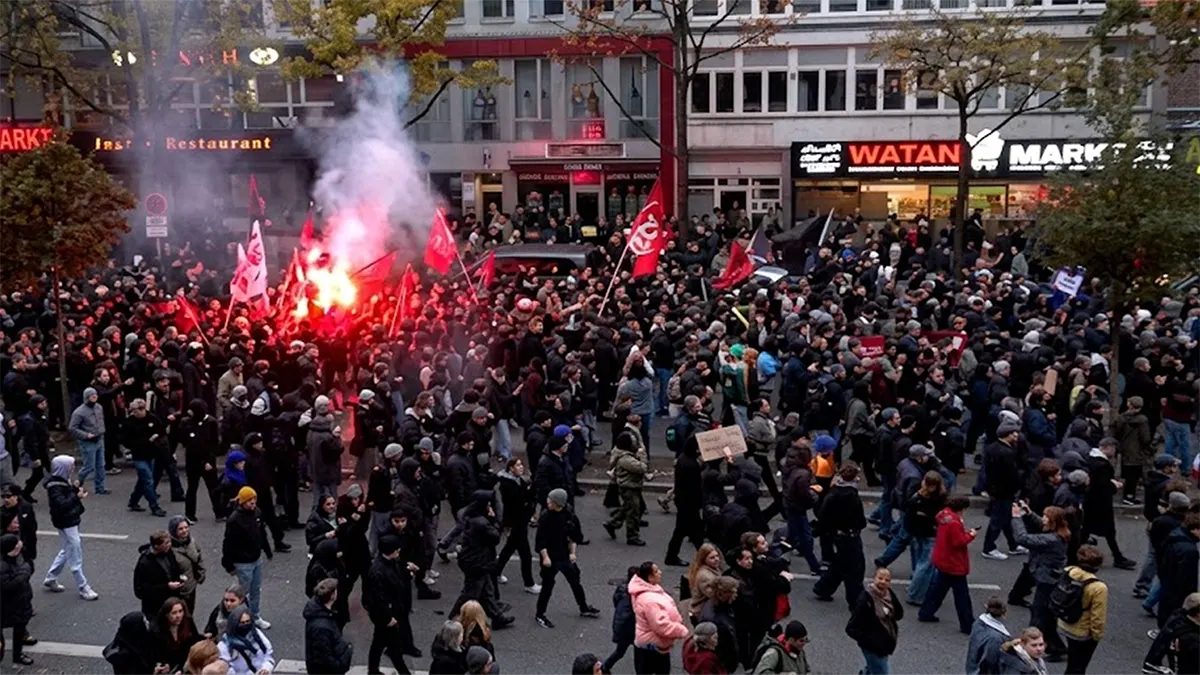
- Avoid crowds and police lines. Stay away from protests, large gatherings and areas with a heavy police or military presence.
- Know the aerial attack drill. If a missile or drone strike is incoming, move away from windows and exterior glass doors. Shelter in an interior room on a lower level.
Plan for travel trouble
- Check flights with the airline directly. Use the airline’s own website or the airport’s portal, not third-party booking sites.
- Line up a Plan B. Look at overland options such as trains or buses, and keep track of which border crossings are open.
- Follow local rules. Government restrictions, including travel buffer zones, still apply.
Stay reachable
- Enroll in STEP. The State Department’s Smart Traveler Enrollment Program (step.state.gov) sends real-time alerts for your city and helps consular teams find you in an emergency.
- Charge your phone and save key numbers. That means the nearest U.S. embassy or consulate, local emergency services and the State Department’s Consular Affairs line (+1-202-501-4444).
- Watch official channels. Follow embassy social accounts and messaging channels, local news and instructions from host-country authorities.
Does This Mean a U.S. Strike Is Coming?
Not necessarily. Security alerts like this are usually protective, not predictive. They warn citizens about threats from regional groups and about travel disruption. They are not announcements of U.S. military plans, which are kept secret. When the U.S. does take military action, the State Department has tended to issue broader warnings during or right after it, as it did in February.
That said, the region is already in an active, tense conflict. Some outlets have reported on speculation about possible strikes, and the alert itself says nothing about any planned operation. The safest approach is to treat the warning as a reason to prepare, not a forecast.
The Risk Isn’t Limited to the Middle East
The regional alert sits on top of the State Department’s standing Worldwide Caution. The department has said that U.S. diplomatic facilities, including some outside the Middle East, have been targeted. Iran-backed groups could try to widen their reach beyond the region.
Americans traveling anywhere should stay aware of their surroundings, especially near high-profile Western sites, busy commercial areas and diplomatic buildings.