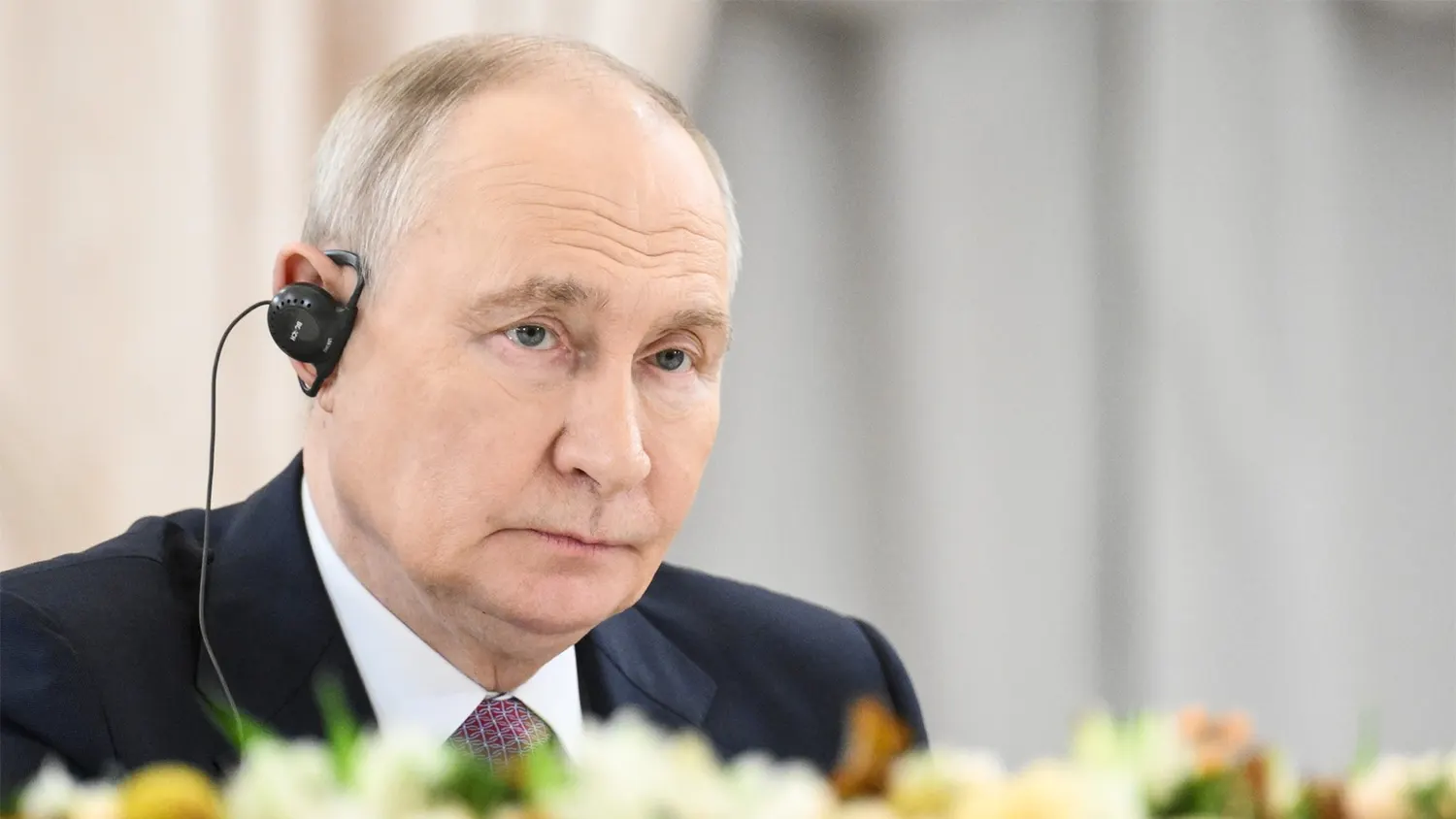
Russian President Vladimir Putin has publicly defended a surprise phone call from two European leaders, calling it “the right thing to do.” He also used his remarks to say Russia is ready for a conflict but doesn’t want one, and to warn about rising tension in the Baltic Sea.
Two Neighbors Pick Up the Phone
Finnish President Alexander Stubb and Norwegian Prime Minister Jonas Gahr Støre called Putin on Tuesday, October 27, and said they started the call themselves. They also made clear they spoke for their own countries, not for Europe as a whole.
Putin confirmed that point. He said the two leaders stressed right away that they weren’t representing the EU and were calling in a national capacity.
The timing matters. The call came after U.S. envoy Steve Witkoff met Stubb, Støre, and Ukrainian President Volodymyr Zelensky in Oslo earlier in the month. Stubb said the call was prepared with Ukraine and the United States. Its aim was to push for progress at upcoming talks in the United Arab Emirates.
Putin: Some in Europe Want Talks, Not a “Strategic Defeat”
Putin acknowledged the leaders had faced criticism afterward, but said it wasn’t for Russia to judge. His own view was clear: it was the right move.
He framed it as a split inside Europe. In his telling, some Europeans want to defeat Russia strategically, while others want a constructive dialogue. He said Russia backs any step toward “full-fledged and meaningful relations” with European countries, whether through the EU or country by country. “It makes no difference to us,” he said.
“We Are Prepared,” but He Says War Isn’t the Goal
Putin also addressed talk that Europe is getting ready for a war with Russia by 2030. His answer had two parts:
- Russia is prepared, but it does not want a war with Europe.
- If anyone does want one, he said, they should prepare. But he argued that Europe hasn’t managed to defeat Russia and is unlikely to by 2030.
He ended with a warning: if things go too far, “there will be no winners at all.”
A Baltic Sea Warning With a Hormuz Comparison
The Baltic Sea also came up on the call, according to Putin. He said Finland’s president raised it first, stressing that all sides should follow international maritime law. Putin said Russia supports that.
He then pointed to the Strait of Hormuz. Without compliance, he suggested, the Baltic could become a tense hotspot like the Persian Gulf. “We do not want that,” he said.
Denmark Is Wary, Kyiv Says Thanks
Not everyone in Europe liked the call. Danish Prime Minister Mette Frederiksen said she was “very skeptical” and noted the initiative hadn’t been agreed with other European leaders. Back in Finland, a former foreign minister, Timo Soini, said the matter should have been discussed at home first.
The leaders say they did not act in secret. Støre said all of Norway’s and Finland’s allies were told in advance, and Stubb said the same of the Nordic countries. Zelensky thanked both men on X the same afternoon.
What the Phone Call Could Change
For now, the call looks more like a disagreement over method than a break in European unity. Some governments think talking to Putin one-on-one weakens a shared message. Finland and Norway argue that, as Russia’s neighbors, direct conversation is part of ending the war. Stubb said as much in his statement: ending the war requires direct discussions.
There may be more calls ahead. The Kremlin said the three leaders agreed to keep up phone contact. Whether that helps the Abu Dhabi talks or just deepens the argument in Europe is still an open question.