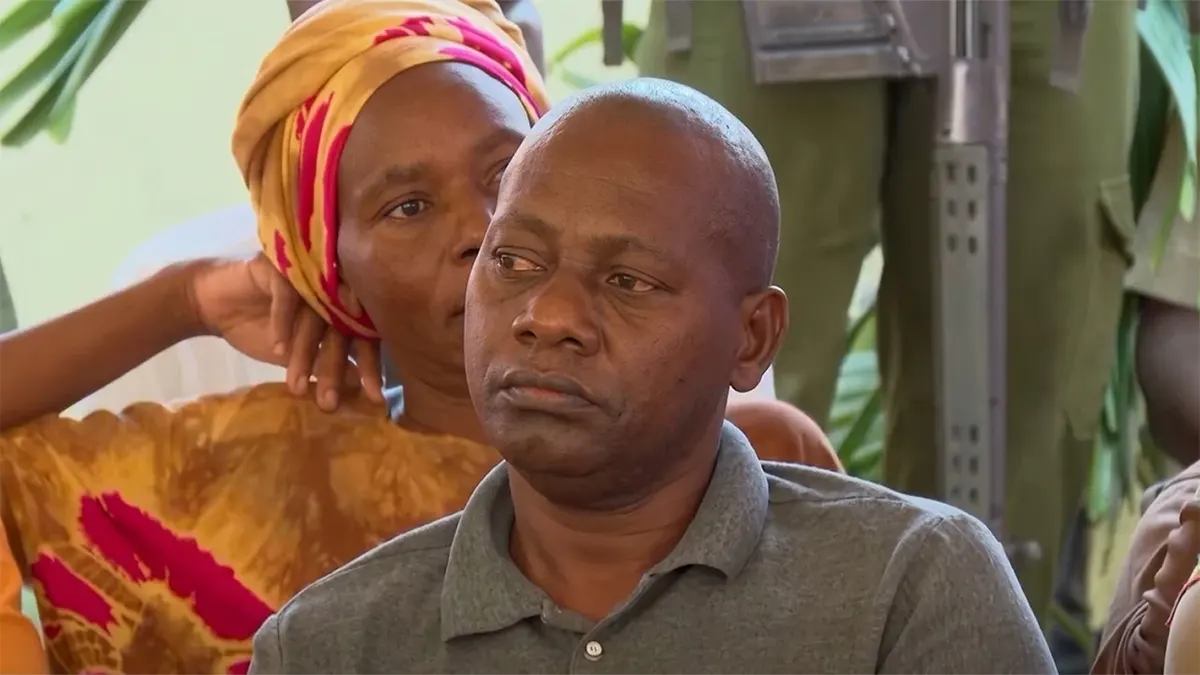
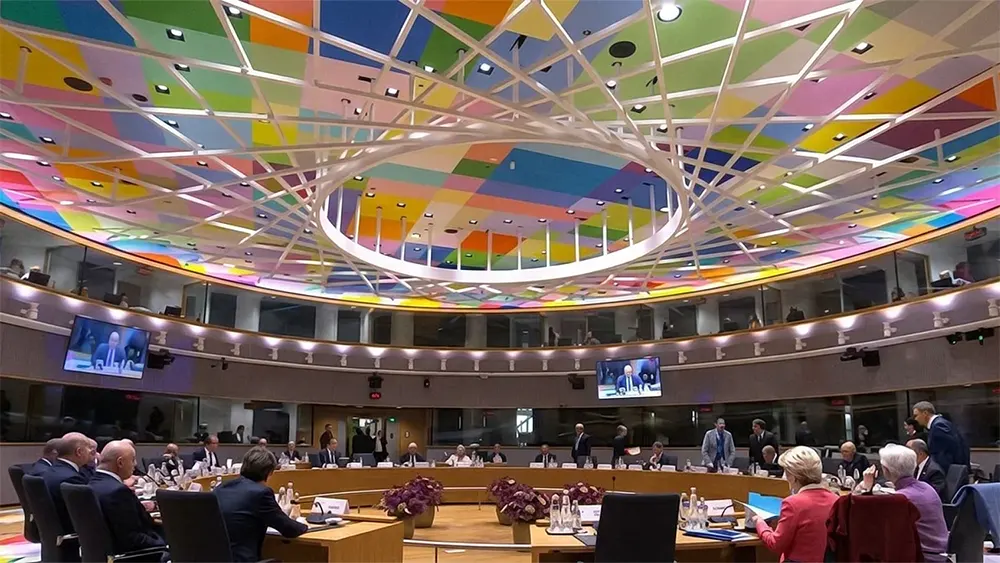
European Union leaders ended an emergency summit in Brussels early on Thursday, November 26, without agreeing on the bloc’s next seven-year budget. They also cancelled Friday’s planned talks. The failure leaves two big decisions hanging: how much the EU will spend from 2028 to 2034, and how to fund a €45 billion loan for Ukraine.
A €204 Billion Cut That Pleased Almost Nobody
The talks centered on a compromise from European Council President António Costa. He trimmed the European Commission’s nearly €2 trillion draft by €204 billion, or about 10%, bringing it to roughly €1.78 trillion.
Costa tried to protect farm and regional funds, cutting them by only about 5%. Competitiveness, innovation, and security programs took a much bigger hit, about 16%. That balance upset nearly everyone.
Two Camps, Two Sets of Red Lines
Every EU country has a veto over the budget, so both sides can block a deal if their priorities aren’t protected.
- The “Frugals” (Germany, the Netherlands, Sweden, Denmark, Austria, Finland, and Belgium) want about €250 billion in cuts and more money for defense, border security, and competitiveness. They also want to avoid raising national contributions. Seven fiscally conservative states walked out of smaller-group talks, saying the cut wasn’t deep enough and that the format tried to “divide and buy off” individual members.
- The “Friends of Cohesion” is a group of 17 countries, including Poland, Spain, Italy, and Romania. They reject further cuts to farm subsidies and regional development funds. French President Emmanuel Macron, who backs farm aid, called the draft “very disappointing.”
Others objected too. The Baltic states and the European Parliament warned that cutting defense by €39 billion weakens Europe’s security. Macron and Polish Prime Minister Donald Tusk said that shrinking public investment would leave the EU unable to compete with the US and China. Once pandemic debt repayments are counted, they noted, the EU’s investment capacity would fall below 1% of its gross national income.
The Ukraine Loan That Divided the Room
The Commission proposed the loan on November 18. It would cover two-thirds of Ukraine’s urgent financing gap for 2027, separate from the long-term budget:
- Up to €25 billion for military aid
- Up to €20 billion for general support, such as keeping schools, hospitals, and public services running
It is a limited-recourse loan backed by the EU budget, so Ukraine would only repay the principal once it receives war reparations from Russia.
Twenty-four of the 27 member states backed it, with Bulgaria joining only the non-military part. Hungary, Slovakia, and Czechia refused. Slovak Prime Minister Robert Fico offered diesel, excavators, and demining equipment instead of money.
Germany Draws a Hard Line
In earlier aid packages, countries that disagreed could simply opt out. German Chancellor Friedrich Merz says not this time. He argues all 27 countries must share the borrowing costs, and he has threatened to veto the entire 2028–2034 budget unless they do. Because that budget includes EU funds for the three holdout nations, the threat ties the two deals together.
Czech Prime Minister Andrej Babiš and Hungarian Prime Minister Péter Magyar also object to linking Ukraine aid with cohesion funds.
The Digital Tax Fight
Costa also proposed five new EU-level revenue sources. The goal is to fund new priorities and help repay about €140 billion in pandemic-era debt without raising national contributions. The most controversial is a 3% digital services levy on online advertising. Ireland strongly opposes it, and it has also drawn pushback from the United States.
One Piece of Good News
The summit wasn’t a total loss. Leaders agreed to nominate Spain’s Pablo Hernández de Cos as the next president of the European Central Bank.
December 17–18: The Next Chance
Leaders will meet again in Brussels on December 17–18. Costa and Macron want a deal before the end of 2026 because seven member states hold elections in 2027. The biggest is France’s presidential election, where a win by Marine Le Pen could upend negotiations.
Even a handshake in December won’t finish the job. The budget needs:
- Unanimous approval from the Council of the EU
- Consent from the European Parliament, which has already warned it will reject deep cuts to research, competitiveness, and defense
- Dozens of separate laws on farm aid, cohesion funds, Horizon Europe, and defense, passed during 2027 so money can flow on January 1, 2028
What Happens If Talks Drag On
There are three possible outcomes if the deadlock continues:
- Talks spill into 2027, under election pressure across Europe that makes unanimity harder.
- A “coalition of the willing” steps in for Ukraine. The 24 supportive countries could bypass the EU budget and fund the loan among themselves, as they did in earlier aid standoffs.
- An automatic rollover. If no budget is adopted by January 1, 2028, EU rules extend the final year of the 2021–2027 spending ceilings year by year, freezing new strategic and defense programs until a deal is reached.