Mexican security forces have captured Fausto Isidro Meza Flores, better known as “El Chapo Isidro,” following a major military operation in Guasave, Sinaloa, that triggered deadly clashes and widespread violence across the region.
The operation, carried out on Friday night, November 20, 2026, ended more than a decade of efforts to arrest one of the FBI’s most wanted fugitives. However, the capture came at a heavy cost, with 11 people killed, including four Mexican soldiers and seven suspected cartel gunmen.
The arrest also represents a significant development in the fight against Mexico’s powerful criminal organizations, particularly as Meza Flores faces an expanded set of federal charges in the United States.
Military Operation in Guasave Triggers Deadly Cartel Retaliation
Mexican military forces launched the operation in Guasave, northern Sinaloa, using elite Army and National Guard units to surround the residence where Meza Flores was believed to be staying.
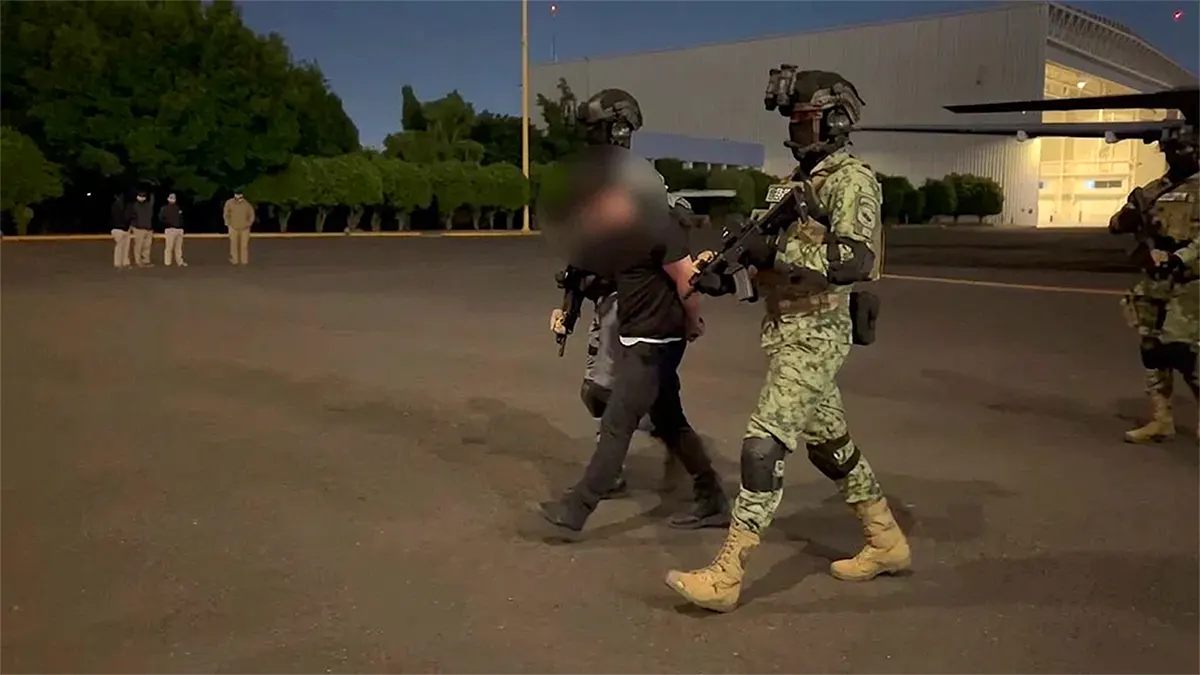
According to Mexican authorities, security forces came under heavy gunfire and attacks involving explosives as they moved to secure the property. Despite the resistance, troops managed to capture Meza Flores and several members of his organization.
Among those detained were Germán Rolando Gálvez Meza, known as “El Serafín,” an alleged senior figure in the organization, and another individual identified as José N., described as a financial operator.
The operation quickly triggered a violent response from suspected cartel members.
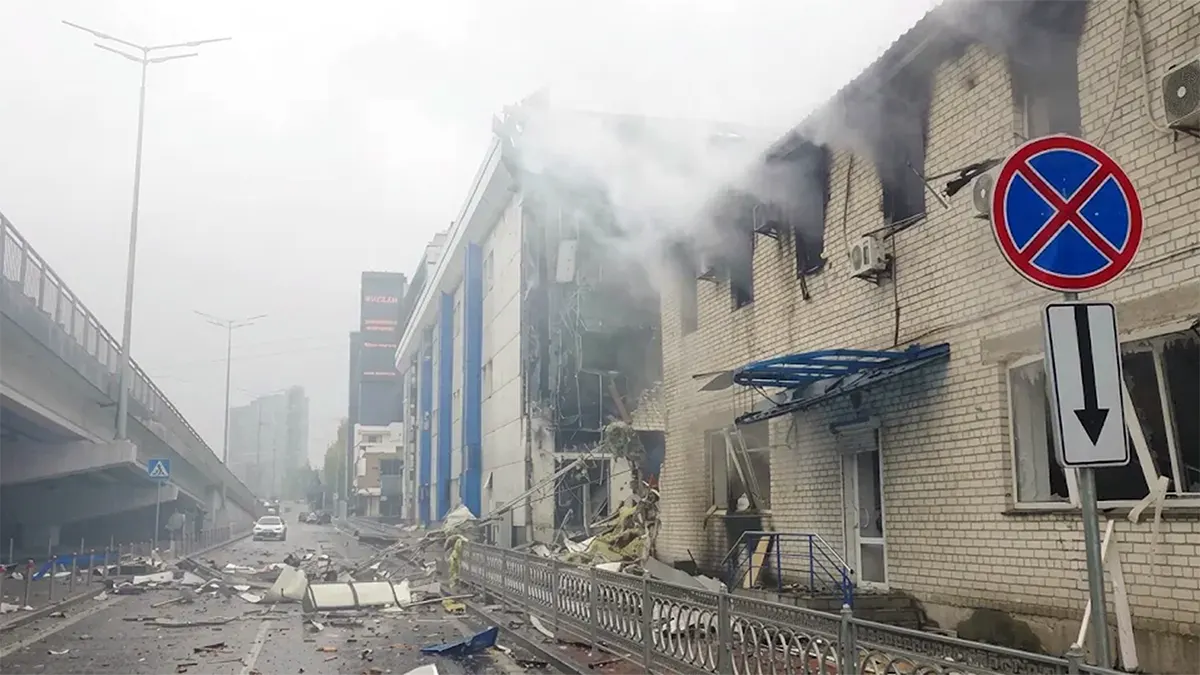
Armed groups established at least 10 roadblocks using hijacked and burning vehicles, including cargo trucks, across Guasave and surrounding highways. Several businesses, including convenience stores, were also set on fire.
The violence spread through residential and commercial areas, forcing civilians to seek shelter. Gunfire also disrupted a local baseball game, with spectators caught in the unfolding clashes.
Military helicopters and drones operated over the city as security forces attempted to contain the situation.
The violence delayed the extraction of Meza Flores from Guasave. Mexican Army and National Guard units eventually transported him out of the area at approximately 4 a.m. on Saturday, November 21, before flying him to Mexico City.
Mexico’s Defense Ministry later confirmed the death toll of four soldiers and seven suspected cartel gunmen.
Security Secretary Omar García Harfuch said federal forces would remain deployed across Sinaloa to maintain security and protect residents.
Who Is El Chapo Isidro?
Born Fausto Isidro Meza Flores, El Chapo Isidro is a longtime figure in Mexico’s organized crime landscape who rose through the ranks of the Beltrán Leyva Organization before building his own criminal network.
He should not be confused with Joaquín “El Chapo” Guzmán, the imprisoned former leader of the Sinaloa Cartel. The two men are separate figures who operated within Mexico’s broader and often shifting cartel landscape.
Meza Flores eventually became the leader of the Meza-Flores Transnational Criminal Organization, known locally as Los Mazatlecos or the Guasave Cartel.
The group emerged from the remnants of the Beltrán Leyva criminal network and developed a strong presence in northern Sinaloa.
Over the years, his organization became associated with large-scale drug trafficking, armed enforcement operations, territorial disputes, and violence against rival groups.
U.S. authorities have accused the organization of trafficking multiple drugs into the United States, including:
- Fentanyl
- Methamphetamine
- Cocaine
- Heroin
- Marijuana
Its reported areas of influence include Guasave, Los Mochis, Mazatlán, Guamúchil, and parts of the surrounding Sinaloa region.
Meza Flores also became an important ally of the Los Mayos faction of the Sinaloa Cartel, which has been involved in an ongoing conflict with rival factions over control of the state.
That relationship made his organization an important part of the region’s wider criminal power structure.
FBI’s Most Wanted Fugitive With a $5 Million Reward
Meza Flores had been wanted by U.S. authorities for years before his capture.
The FBI added him to its Ten Most Wanted Fugitives list on February 4, 2025, describing him as a major drug trafficking figure accused of helping supply the United States with large quantities of illegal narcotics.
The U.S. government offered a reward of up to $5 million for information leading to his arrest and conviction.
His criminal case in the United States dates back to an initial indictment in May 2012. A superseding indictment returned in November 2019 expanded the allegations involving international drug trafficking and firearms offenses.
However, the legal case has since developed further, with U.S. prosecutors announcing additional charges in September 2026.
Expanded U.S. Indictment Includes Narcoterrorism Charges
The U.S. Department of Justice confirmed on November 21 that a federal grand jury in the District of Columbia had returned a second superseding indictment against Meza Flores on September 25, 2026.
The updated indictment contains six categories of federal charges, covering alleged criminal activities involving drug trafficking, organized crime, money laundering, terrorism-related offenses, and firearms.
The charges include:
- Continuing criminal enterprise: Allegedly leading a large-scale criminal organization involved in international drug trafficking.
- International drug trafficking conspiracy: Allegedly conspiring to manufacture and distribute cocaine, methamphetamine, heroin, marijuana, and fentanyl for importation into the United States.
- International money laundering conspiracy: Allegedly moving and concealing proceeds connected to criminal activities.
- Providing material support to a terrorist organization: Allegedly conspiring to provide support to an organization designated as a Foreign Terrorist Organization by the United States.
- Narcoterrorism: Facing allegations involving drug trafficking activities connected to terrorism-related offenses under U.S. law.
- Firearms offenses: Allegedly using and possessing firearms, including machine guns and destructive devices, in connection with criminal activities.
The updated charges reflect the broader U.S. legal approach toward designated criminal organizations.
In February 2025, the United States designated the Sinaloa Cartel as a Foreign Terrorist Organization, expanding the legal framework available to prosecutors targeting individuals accused of supporting its activities.
If convicted, Meza Flores could face life imprisonment or the death penalty, according to the Justice Department.
These charges remain allegations, and Meza Flores is presumed innocent unless proven guilty in court.
Will Mexico Extradite El Chapo Isidro to the United States?
Following his capture, Meza Flores was transported to Mexico City to face Mexican authorities.
His arrest also places renewed attention on the possibility of his transfer to the United States, where federal prosecutors are seeking to bring him before a court in connection with the expanded indictment.
There are two broad legal routes through which such a transfer could take place.
Formal extradition proceedings would require Mexico to process the U.S. request through its established judicial framework. The process can involve legal reviews and constitutional challenges from the defense, potentially delaying a transfer.
Another possibility is an accelerated transfer under Mexico’s national security legislation.
The Mexican government has previously used this mechanism to transfer high-profile criminal suspects to U.S. custody without waiting for lengthy traditional extradition proceedings.
On January 20, 2026, Mexico transferred 37 wanted individuals to the United States in its third such operation, following earlier transfers involving 29 individuals in February 2025 and 26 in August 2025.
However, as of November 22, 2026, Mexican authorities have not publicly confirmed which procedure will be used in Meza Flores’ case.
His immediate legal status and the timing of any transfer therefore remain important developments to watch.
El Chapo Isidro’s Capture Could Reshape the Cartel Conflict in Sinaloa
Although the arrest removes a major figure from the region’s criminal hierarchy, it does not necessarily mean his organization has been dismantled.
Meza Flores’ network has operated through armed personnel, drug trafficking routes, financial operations, and alliances with other criminal groups. Those structures may continue functioning even without their alleged leader.
The violence following his arrest demonstrates the risks associated with disrupting established cartel leadership.
Security analysts have warned that removing high-ranking figures can create opportunities for internal power struggles, rival groups seeking territorial expansion, and disputes among potential successors.
Sinaloa is already experiencing a wider conflict between rival factions of the Sinaloa Cartel. The removal of Meza Flores could add another layer of instability to an already complicated security situation.
For Mexican authorities, the challenge now extends beyond keeping him in custody. It also involves preventing his capture from triggering further violence and weakening the criminal networks that have operated across the region for years.
The capture of El Chapo Isidro marks a major development in Mexico’s campaign against organized crime. Whether it produces lasting security improvements in Sinaloa will depend on what happens to the network he allegedly built, not just the fate of its leader.