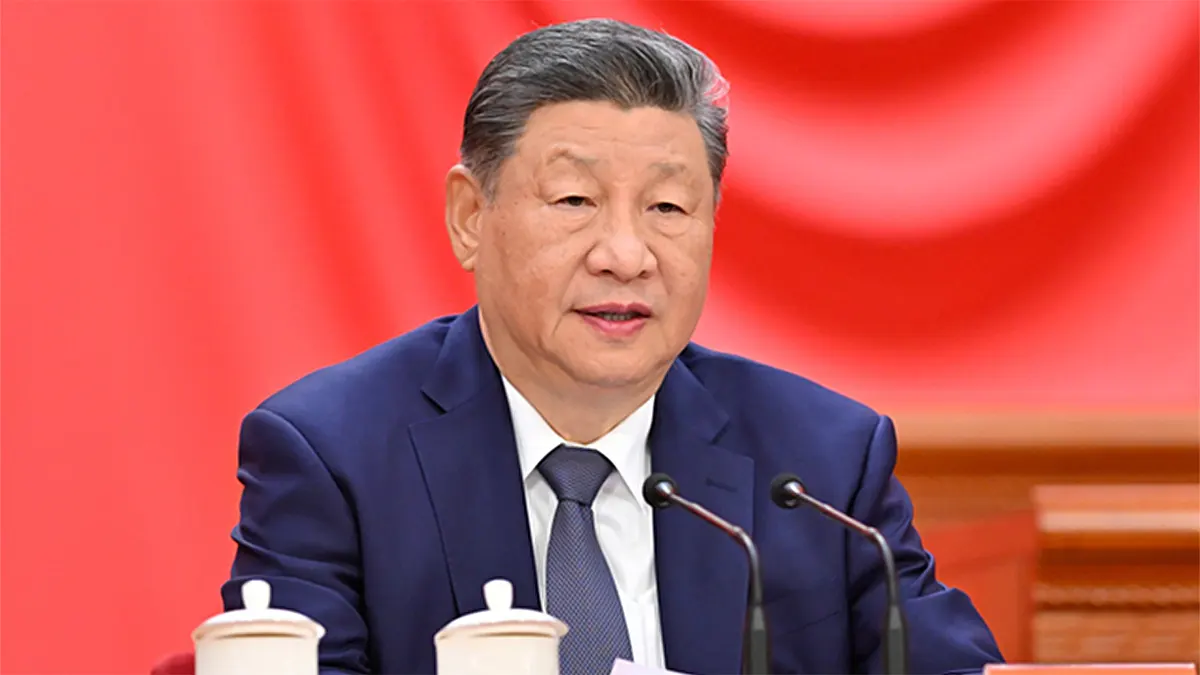
On November 12, 2026, Chinese leader Xi Jinping stood in Beijing’s Great Hall of the People and repeated a promise Beijing has made for decades: Taiwan will be reunified with China. The speech marked the 160th birth anniversary of Sun Yat-sen, the revolutionary who helped end imperial rule in 1911. The words were familiar, but what China is doing behind them deserves a closer look.
A Familiar Speech With a Familiar Warning
Xi called the reunification of the motherland an “unwavering historic mission” of the Communist Party. He also said “the tide of history cannot be stopped.” He cast Sun Yat-sen as a defender of national unity and described the Party as his most faithful heir.
The language was almost identical to Xi’s 2019 address. Beijing still pairs “peaceful reunification” and “one country, two systems” with dialogue based on the 1992 Consensus. Xi said China would “fully consider” Taiwan’s realities. He also said there is no room for independence activities in any form.
One detail stood out. Xi called people on both sides of the strait members of one Chinese family and did not directly threaten force in these remarks. Beijing has never given up the option, though, and its military still operates around Taiwan every day.
Taipei Says No, Again
Taiwan’s Mainland Affairs Council quickly rejected the message. It said neither the government nor the public can accept “one country, two systems,” and that Beijing’s wording on unification has not changed. Taipei had also urged citizens to skip Beijing’s commemorative events, accusing the Party of twisting Sun Yat-sen’s legacy.
The Quiet Campaign Behind the Words
The speech is only one piece of the plan. Analysts say China is pursuing a slow strategy often described as “winning without fighting.” The goal is to pull Taiwan closer economically, culturally, and legally until unification feels normal. That effort runs on four tracks:
- Economic incentives. Coastal Fujian, directly across the strait, is a showcase zone. Taiwanese citizens are offered simplified residency, social security access, housing subsidies, tax breaks, and business loans. Beijing has also pushed for bridges, power grids, and water pipelines to Taiwan’s outlying islands, such as Kinmen and Matsu.
- Grassroots influence. The Party’s United Front Work Department sponsors temple trips, youth camps, and exchanges for local leaders and students. State-backed networks also use platforms popular with young people, including Douyin and Xiaohongshu, alongside disinformation campaigns meant to weaken trust in Taiwan’s democracy.
- Legal and administrative pressure. Beijing rejects the informal “median line” in the strait and sends coast guard patrols into waters near Taiwan’s outlying islands, calling it routine law enforcement. It has also issued guidelines threatening severe penalties, even death, for “diehard” separatists.
- Diplomatic isolation. Taiwan now has only about a dozen formal diplomatic partners, and China blocks its participation in bodies like the World Health Organization and Interpol.
Is the Strategy Working?
Only partly. Beijing has created a “new normal” of daily military and coast guard pressure and deepened ties in certain sectors. Taiwanese public opinion, however, is moving the other way. Polls show an overwhelming majority identify mainly as Taiwanese, and support for “one country, two systems” sits near single digits, especially after Hong Kong’s crackdown on political freedoms.
Why Beijing Would Rather Not Invade
Public opinion is not the only brake on China’s plans. Many economists and military analysts agree that a full-scale invasion would be extraordinarily risky, even for a superpower. China’s economy depends on selling goods to the U.S., Europe, and their allies. Broad sanctions could freeze trillions of dollars in trade, close factories, and cause widespread job losses. Being cut off from the dollar system would hammer the yuan and strain an already fragile property and local-debt sector.
Then there are the chips. Taiwan makes over 90% of the world’s most advanced semiconductors, mostly through TSMC. Those factories are so delicate that they would likely be destroyed or knocked out in a war. That would cripple electronics, car, and AI industries worldwide, including China’s own. Estimates of the global shock run from $2 trillion to $10 trillion, and a war would also threaten the prosperity that underpins the Communist Party’s standing at home.
The Lesson Beijing Took From Russia
If invasion is too costly, the alternative is to make pressure from the West less effective. Since Russia’s 2022 invasion of Ukraine, Beijing has studied how the West froze about $300 billion in Russian central bank reserves and cut major banks off from SWIFT. It sees that as a blueprint for what China could face over Taiwan or the South China Sea.
Russia’s economy held up better than many expected, largely by turning to China and the Global South. Beijing’s conclusion was that a country with far more industrial weight could prepare even better. Its response has covered three areas.
Moving Money Away From the Dollar
China has cut its U.S. Treasury holdings from over $1 trillion before the war to roughly $618 billion by mid-2026. Over the same period, the People’s Bank of China has piled up gold, reaching about 2,400 tonnes by the third quarter of 2026. Unlike bonds, physical gold stored at home can’t be frozen from abroad.
China has also built its own payment network, CIPS, as an alternative to SWIFT. Participation grew from 76 to 210 institutions between early 2022 and mid-2026, and the system handles more than RMB 175 trillion a year. Over half of China’s cross-border payments are now settled in renminbi, and in trade with Russia the share tops 90%. For sensitive deals with sanctioned partners like Russia and Iran, Beijing relies on smaller regional banks with no U.S. or European exposure, shielding its biggest state banks.
Locking In Energy and Food
China imports about 70% of its crude oil, so it has looked for routes a navy can’t easily block. Pipelines such as ESPO and Power of Siberia carry discounted Russian oil and gas overland, away from chokepoints like the Strait of Malacca. Russia is now China’s top crude supplier, with trade settled almost entirely in renminbi.
Independent “teapot” refineries in Shandong and dark-fleet tankers handle sanctioned oil from Russia, Iran, and Venezuela, keeping major state firms clear of U.S. penalties. At home, Beijing is growing oil and coal stockpiles while expanding renewables, electric vehicles, and nuclear power, which lowers its long-term exposure to an oil embargo. It has also pushed for grain self-sufficiency, shifting farm imports from the U.S. toward Brazil and Russia.
Building Its Own Tech and Friends
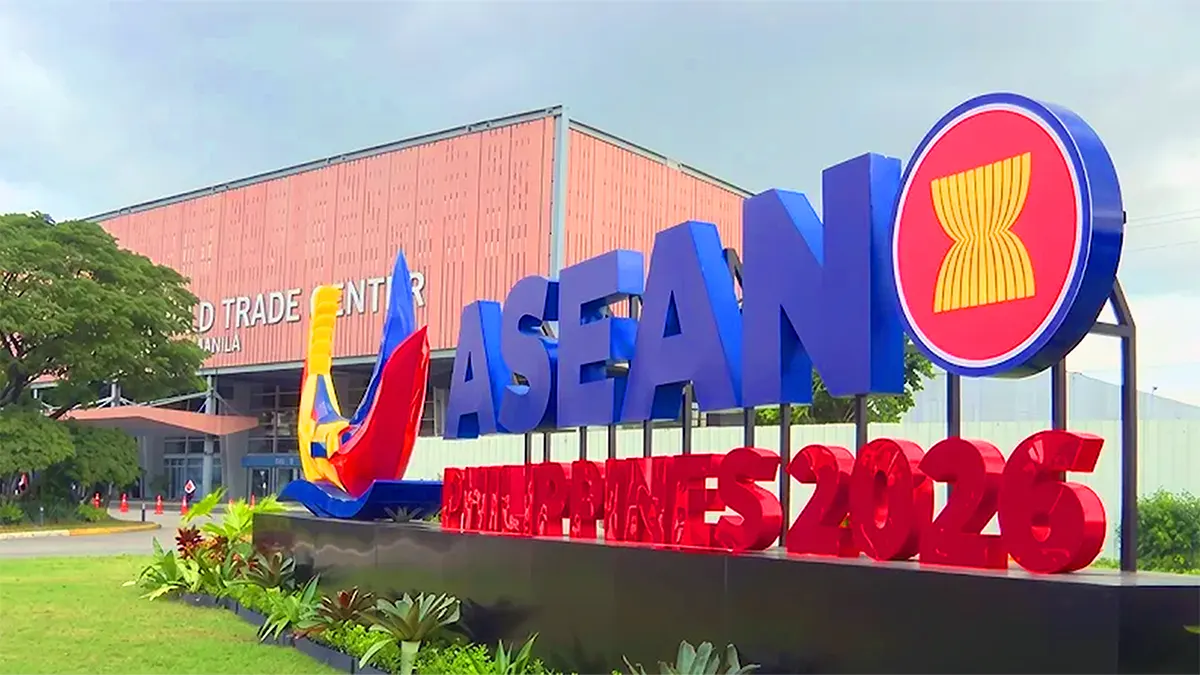
Having watched export controls hurt Russia’s industry, China is spending heavily on homegrown chips, software, AI, and precision machine tools. State firms and agencies have been told to replace foreign hardware and software with domestic versions. China is also steering exports toward ASEAN, BRICS, and Belt and Road countries, betting that nations tied closely to its economy won’t join a Western sanctions coalition.
On the defensive side, Beijing has put its Anti-Foreign Sanctions Law, Unreliable Entity List, and export controls on critical minerals such as gallium, germanium, graphite, and rare earths to work as deterrents. Its control over rare earths, batteries, solar panels, and drug ingredients means cutting China off would also hurt the G7.
What a “Sanction-Proof” China Could Mean for Taiwan
This preparation matters most for scenarios short of full war. Strategists point to a customs quarantine or blockade of Taiwan. In that case, Washington and Brussels would face a hard choice: send in the military and risk nuclear escalation, or rely on heavy sanctions. If China has already made sanctions less painful, the second option loses force, and Beijing hopes Taipei is left to negotiate on Beijing’s terms. Each year spent reducing dollar exposure and building chip capacity lowers the cost of a future standoff.
The Cracks in the Fortress
China is still far from sanction-proof. Because Beijing keeps strict capital controls and won’t make the renminbi freely convertible, the currency can’t replace the dollar as a global reserve. Partners like Russia and Iran end up with trapped RMB balances they can mostly spend on Chinese goods. And China’s factories still depend on Western consumers, so a full break would bring deflation and unemployment at home.
Waiting also helps China’s rivals. The U.S., Japan, Australia, and Taiwan are hardening alliances, spreading out military bases, stockpiling weapons, and reducing reliance on Chinese supply chains. China has its own long-term problems, including a shrinking workforce, heavy local debt, and slower growth. The long game is a gamble for Beijing as well, since it is unclear whether time works for or against it.