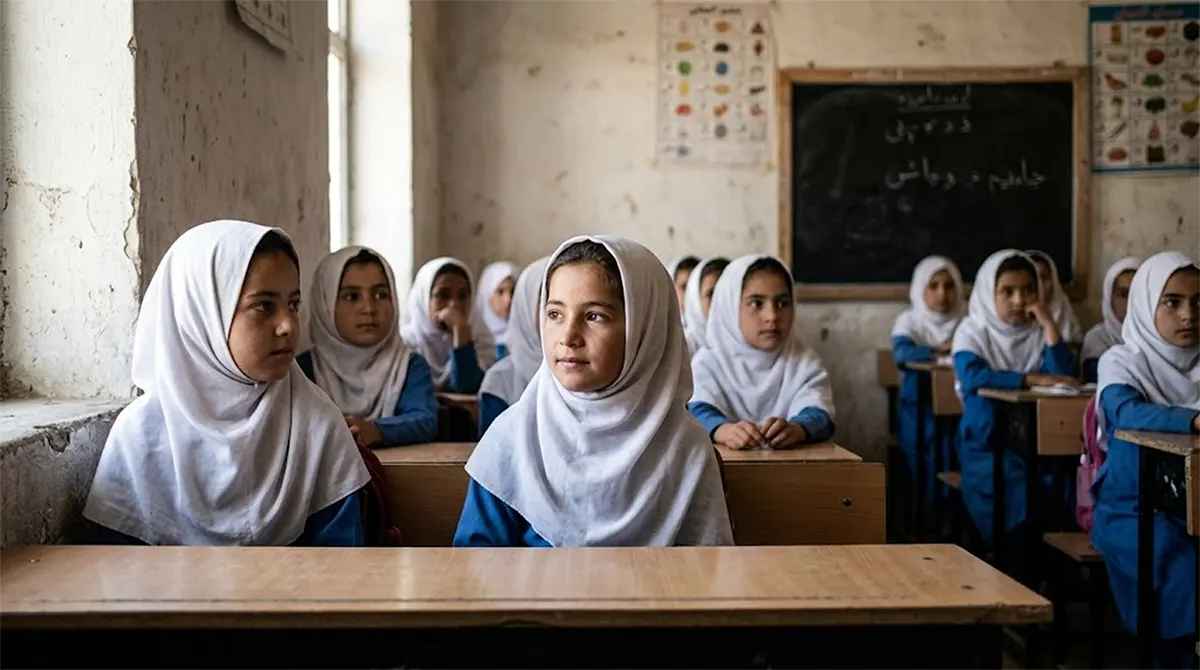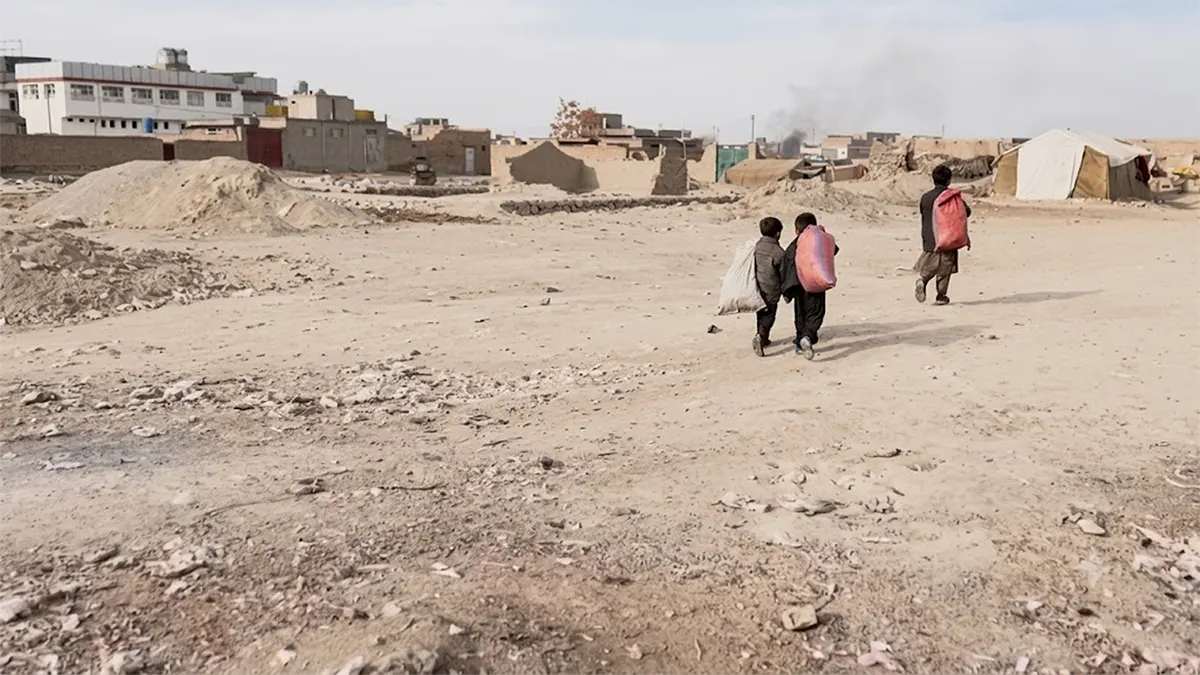
For millions of Afghans, daily life has become a struggle to secure the essentials food, clean water, healthcare, and shelter. Years of conflict, economic decline, climate disasters, and political upheaval have pushed the country into one of the world’s most severe humanitarian crises.
According to the United Nations Development Programme (UNDP), roughly 74% of Afghanistan’s population now faces difficulties meeting basic needs. The figure illustrates a crisis that has evolved far beyond a temporary emergency. For many families, survival has become a permanent way of life.
Unlike disasters triggered by a single event, Afghanistan’s humanitarian emergency is driven by multiple crises occurring simultaneously. Each problem reinforces another, making recovery increasingly difficult despite continued international aid.
When One Crisis Becomes Many
Afghanistan’s current situation cannot be explained by war alone. While decades of conflict weakened the country’s institutions, today’s humanitarian emergency is fueled by a combination of economic hardship, climate shocks, population displacement, and limited development opportunities.
One of the biggest pressures comes from the mass return of Afghan refugees.
Over the past few years, neighboring countries including Pakistan and Iran have accelerated deportations and voluntary returns, sending millions of Afghans back home. Many return with little more than the clothes they are wearing.
Without savings, employment, or permanent housing, these families often depend on humanitarian assistance immediately after arrival. Their return also places enormous pressure on communities that were already struggling with limited food supplies, scarce jobs, and overstretched public services.
For local governments and aid organizations, every new arrival increases demand for housing, healthcare, education, and emergency food assistance at a time when resources are already stretched thin.
Rather than easing the humanitarian burden, the growing influx has intensified it.
Climate Change Is Making Recovery Even Harder
While political instability dominates international headlines, Afghanistan’s climate crisis receives far less attention despite having devastating consequences.
Large parts of the country have endured years of prolonged drought, severely reducing agricultural production. Farming remains the primary source of income for millions of rural households, meaning poor harvests quickly translate into food shortages and lost income.
Communities that once relied on wheat, livestock, and small-scale farming increasingly find themselves unable to produce enough food to feed their own families.
The drought has also reduced water supplies, affecting drinking water, sanitation, and irrigation systems across multiple provinces.
Just as farmers attempt to recover, natural disasters continue to erase what little progress has been made.
Powerful earthquakes over recent years have destroyed villages, damaged schools and clinics, and displaced thousands of families. Many affected communities lack the financial resources or infrastructure needed to rebuild permanent homes.
Instead of recovering from one disaster before another arrives, many households are forced into an endless cycle of rebuilding, displacement, and renewed hardship.
Emergency Aid Keeps People Alive But Cannot Rebuild a Country
International organizations continue delivering food assistance, medical supplies, clean water, and emergency shelter across Afghanistan.
These programs have prevented a far worse humanitarian catastrophe.
For countless families, emergency food packages mean the difference between eating and going hungry. Mobile health clinics provide medical care in remote areas where permanent facilities no longer function. Water projects help communities survive recurring drought conditions.
Yet humanitarian agencies increasingly acknowledge an uncomfortable reality.
Emergency aid addresses today’s needs but cannot solve tomorrow’s problems.
Food assistance may prevent starvation for a month, but it does not create jobs.
Temporary shelters protect families from harsh weather, but they do not replace destroyed homes.
Medical aid treats illness, but it cannot rebuild an underfunded healthcare system.
Without long-term investment in agriculture, infrastructure, education, and local businesses, millions of Afghans remain trapped in dependence on humanitarian assistance.
This growing gap between emergency relief and sustainable development has become one of the country’s greatest challenges.
Communities Need Livelihoods, Not Just Relief
During recent visits to Afghanistan, senior United Nations officials emphasized that humanitarian assistance alone cannot stabilize the country.
Their message was consistent: people need opportunities to rebuild their lives, not simply survive another season.
That means restoring irrigation systems damaged by drought, rebuilding roads destroyed by conflict and natural disasters, supporting local markets, and helping farmers return to productive agriculture.
Small businesses also require access to functioning markets, transportation, and financial services to create employment opportunities.
Without these foundations, communities remain vulnerable to every new economic shock or environmental disaster.
Aid agencies often describe this transition as moving from relief to resilience helping people become less dependent on emergency assistance by restoring their ability to earn a living.
For Afghanistan, however, that transition has proven exceptionally difficult.
A Fragile Economy Leaves Families With Few Options
Even as humanitarian organizations continue delivering aid, Afghanistan’s economy remains too weak to provide enough opportunities for millions of people.
Years of declining investment, reduced public spending, disrupted trade, and limited private-sector activity have left businesses struggling to expand and create jobs. For many households, stable employment is no longer the norm but a rare opportunity.
The arrival of millions of returning Afghans has added another layer of pressure.
Instead of entering a growing economy that can absorb new workers, many returnees find themselves competing for the same limited jobs, affordable housing, and public services. In rural communities, where agriculture is often the primary source of income, the combination of drought and shrinking harvests has made employment even harder to find.
As incomes decline, families are forced to make increasingly difficult choices. Some reduce the number of daily meals, while others sell livestock, tools, or household belongings simply to buy food. These coping strategies may provide temporary relief, but they also reduce a family’s ability to recover in the future.
The result is a cycle where every new setback whether caused by drought, inflation, or displacement pushes vulnerable households deeper into poverty.
Humanitarian Needs Continue to Outpace Available Resources
International aid remains a lifeline for millions of Afghans, but humanitarian agencies face growing financial constraints.
Global crises in other parts of the world have stretched donor budgets, forcing aid organizations to prioritize the most urgent cases. As funding becomes more limited, difficult decisions must be made about which communities receive assistance and which programs are scaled back.
This creates a troubling reality.
Even though humanitarian needs remain extraordinarily high, the resources available to meet those needs are becoming increasingly uncertain.
Aid workers have repeatedly warned that reduced funding could lead to fewer food distributions, limited healthcare services, and delays in rebuilding critical infrastructure.
For families already living on the edge, even a temporary interruption in assistance can have life-threatening consequences.
Why Recovery Requires More Than Emergency Assistance
Relief organizations agree that humanitarian aid is essential, but they also recognize its limitations.
Food assistance can prevent hunger, emergency shelters can protect displaced families, and medical clinics can save lives. Yet none of these measures, on their own, can create lasting economic stability.
Long-term recovery depends on rebuilding the foundations of everyday life.
That includes restoring agricultural production, repairing infrastructure, expanding access to healthcare, supporting local businesses, and creating sustainable employment opportunities.
Communities also need reliable access to clean water, functioning schools, transportation networks, and local markets that allow farmers and entrepreneurs to earn a stable income.
Without these building blocks, humanitarian aid risks becoming a permanent substitute for economic development rather than a temporary bridge toward recovery.
A Crisis Years in the Making
Afghanistan’s humanitarian emergency did not emerge overnight.
It is the result of decades of conflict, repeated natural disasters, economic decline, and prolonged political instability, with each crisis compounding the effects of the last.
The country now faces one of the most complex humanitarian situations in the world because multiple emergencies are unfolding simultaneously.
A farmer struggling through drought may also be caring for relatives displaced by an earthquake.
A family returning from abroad may arrive in a community where jobs are scarce and healthcare facilities are already overwhelmed.
Children experiencing food insecurity today may also face interrupted education and limited economic opportunities in the years ahead.
These interconnected challenges make recovery significantly more difficult than responding to a single disaster.
The Road Ahead Remains Uncertain
Afghanistan’s future will depend not only on continued humanitarian assistance but also on whether conditions can support long-term development.
International organizations continue calling for greater investment in livelihoods, infrastructure, healthcare, and local economies alongside emergency relief.
Without those investments, millions of Afghans are likely to remain caught in a cycle where each new drought, earthquake, or economic shock erases whatever progress has been made.
For now, humanitarian aid continues to save lives every day. But lasting stability will require far more than emergency assistance, it will require creating the conditions that allow families to support themselves again.
The humanitarian crisis is no longer defined solely by immediate need. It is increasingly a question of whether Afghanistan can rebuild the economic and social foundations necessary to move beyond survival.
Next in this series: Rebuilding those foundations is impossible when half the population is systematically locked out of the workforce.
Read [Part 2: How Restrictions on Women Are Reshaping Afghanistan’s Economy and Future] to see how restrictions on education and employment are costing the nation billions and deepening the crisis.