Hours before a proposed ceasefire was set to begin, a surge of Russian strikes hit cities across Ukraine, killing at least 27 people and injuring more than 120. The attacks, which unfolded between May 5 and May 6, targeted civilian areas and critical infrastructure, undercutting hopes for even a brief pause in the fighting. The timing has raised urgent questions about whether any negotiated “silence” can hold.
But the real shift came in how these strikes were carried out. Ukrainian officials say the attacks were not only widespread but also deliberately intensified just before the truce deadline, signaling a deeper breakdown in trust between the two sides.
A wave of strikes turns a ceasefire deadline into a deadly escalation
The heaviest strikes landed in Zaporizhzhia, where 12 people were killed by guided aerial bombs during daytime hours. These weapons, often called glide bombs, are difficult to intercept and carry large payloads. In this case, they struck an industrial area while people were at work, leading to high civilian casualties and widespread destruction.
Further east, in Kramatorsk, at least six people were killed in strikes on residential districts. Apartment buildings were damaged, and rescue crews continued searching through debris for survivors. The pattern was consistent: urban centers hit at times when civilians were most exposed.
That raises a second question: why were these particular targets chosen at this specific moment?
Energy sites and rescue crews become targets
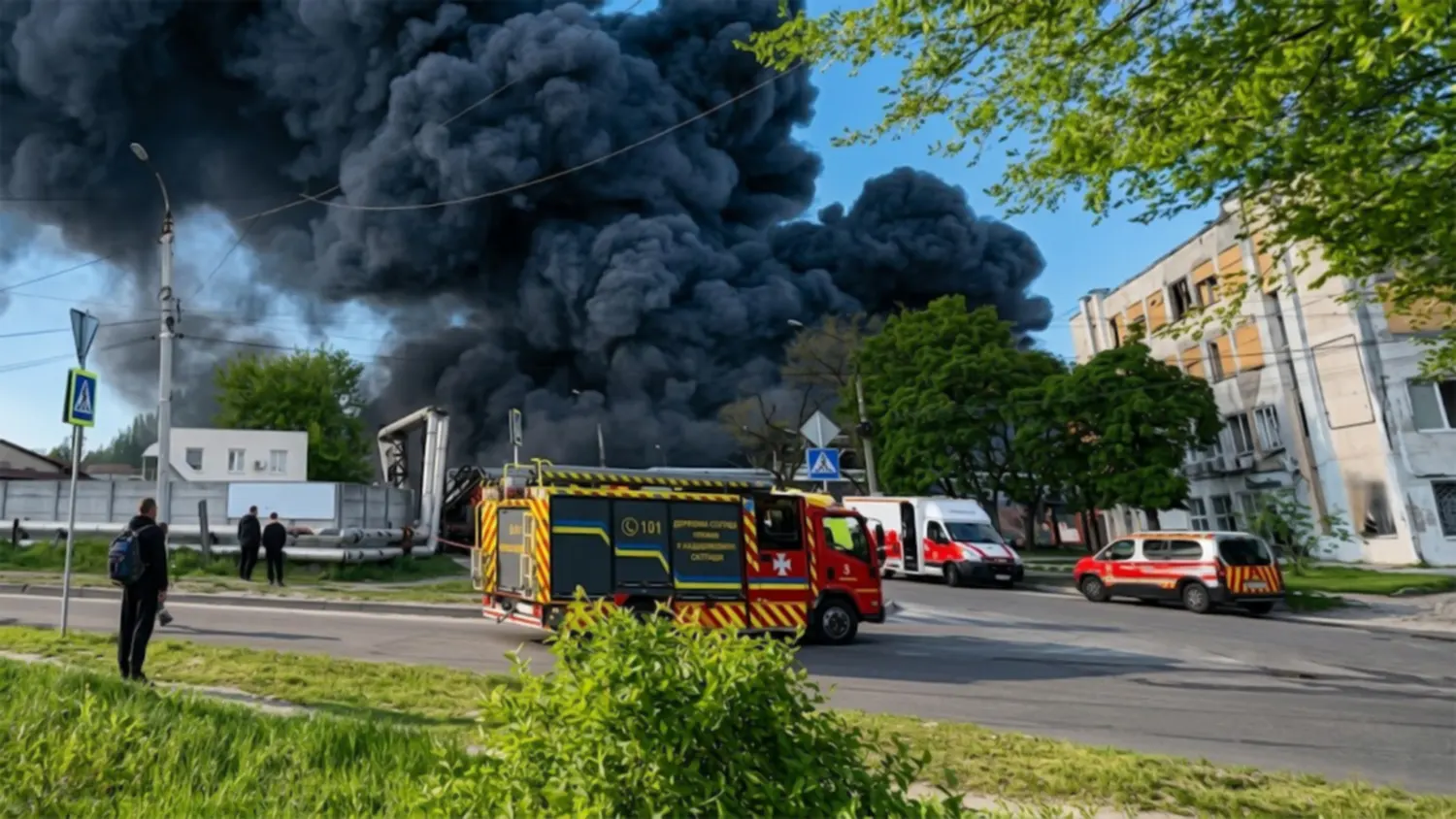
In Poltava, the nature of the attack drew particular condemnation. A gas facility was hit overnight. Then, as emergency crews arrived, a second wave of missiles struck the same location. This so-called “double-tap” attack killed first responders, including two experienced firefighters.
Officials say at least five people died in Poltava, with dozens more injured. The tactic hitting rescuers after an initial strike is widely criticized as a violation of humanitarian norms. It also adds a layer of fear for emergency teams responding to future incidents.
Meanwhile, in Dnipro, missiles and drones targeted infrastructure, contributing to the overall death toll. While casualties there were lower, the strikes underscored a broader strategy: pressure on energy systems and urban resilience.
What makes this even more urgent is the timing relative to ongoing diplomatic efforts.
A ceasefire proposal overshadowed by battlefield realities
Ukraine had proposed an open ended ceasefire starting at midnight on May 6. But in the hours leading up to that deadline, Russia launched more than 100 drones overnight, effectively dismissing the initiative. At the same time, Moscow maintained plans for its own limited ceasefire tied to Victory Day on May 9.
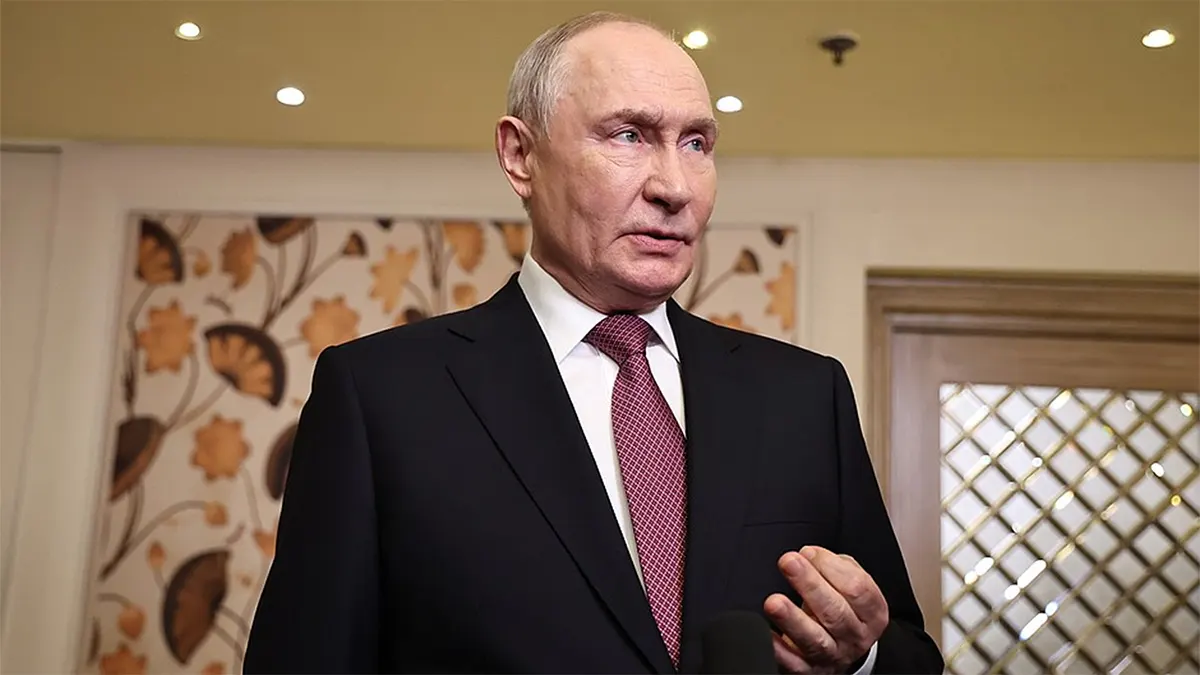
President Volodymyr Zelenskyy openly questioned this approach. He argued that “silence” should not be temporary or symbolic, but sustained. “Russia could cease fire at any moment,” he said, calling for a continuous halt rather than short pauses linked to events.
That contrast has sharpened tensions. Kyiv sees the proposal tied to Victory Day as strategic rather than humanitarian, designed to protect a military parade rather than civilians.
Why the timing is shaping global reaction
The concentration of attacks in a single 24-hour period has made this one of the deadliest surges in recent months. More importantly, it has eroded confidence in any near-term truce. Analysts say the escalation suggests a calculated effort to gain leverage before negotiations, rather than move toward de-escalation.
International concern has focused heavily on the “double-tap” strike in Poltava. The deaths of decorated responders, including a firefighter honored as a national hero, have become a symbol of the war’s human cost.
But the implications extend beyond immediate casualties. The strikes signal that even short-term ceasefires may be unreliable, complicating diplomatic efforts and increasing risks for civilians.
A fragile moment with no clear pause ahead
As of now, the situation remains volatile. Russia has warned of a “massive retaliatory strike” on Kyiv if Ukraine disrupts Victory Day events. Ukraine, in turn, has pledged “mirror responses” to continued attacks.
For civilians, the reality is stark. Despite ongoing diplomatic talks, the fighting has not slowed, it has intensified. And as both sides position themselves ahead of symbolic dates, the gap between political messaging and battlefield reality continues to widen.
That leaves one unresolved question: if even a proposed ceasefire cannot hold for a single night, what would it take to achieve a lasting pause?