In April 2026, the Hawaiian Islands found themselves confronting a rare and dangerous convergence of natural forces, a simultaneous volcanic eruption and severe storm system. This “double whammy” has tested infrastructure, strained emergency response systems, and highlighted the complex interplay between Earth’s geological and atmospheric processes.
At the center of this unfolding crisis are two powerful phenomena: the dramatic eruption of Kīlauea volcano and a slow moving “Kona Low” storm system bringing intense rainfall and flooding. While each event alone poses significant risks, their combination has created compounding hazards across the islands.
A Volcanic Awakening: Kīlauea’s Episode 44
The latest eruptive phase of Kīlauea, known as Episode 44, began on the morning of
April 9, 2026. Almost immediately, it captured attention with its intensity.
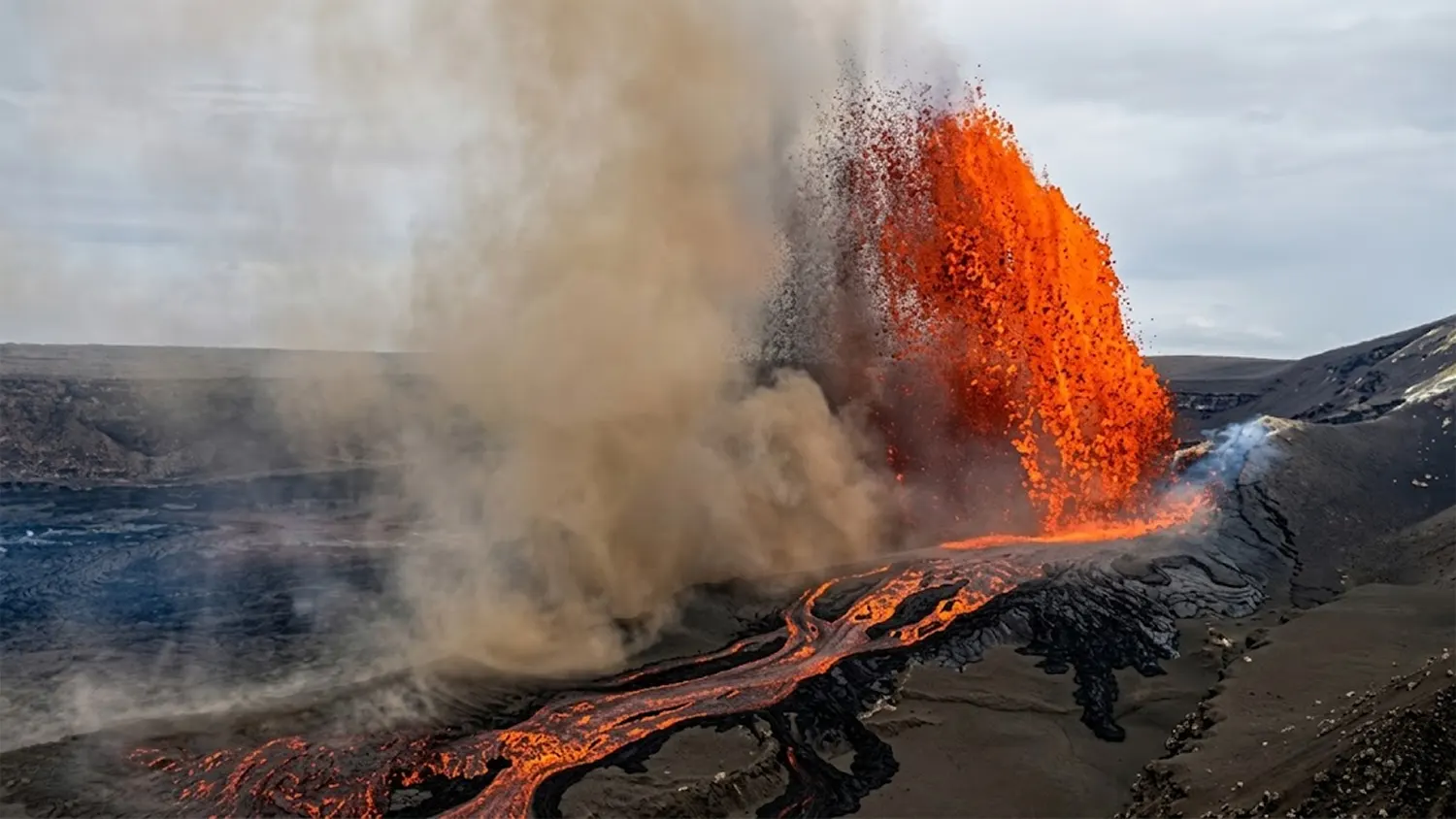
Towering lava fountains surged up to 240 meters (800 feet) into the air, illuminating the Halemaʻumaʻu crater in a spectacular yet dangerous display. This explosive energy also generated a massive 16,000 foot ash plume, one of the highest recorded in the current eruptive cycle.
Although the eruption is now paused, its impacts linger.
Ashfall and “Football-Sized” Tephra
Beyond the dramatic visuals lies a less visible but equally serious threat: volcanic tephra fragments of glassy rock ejected during the eruption.
Residents in areas such as Volcano Village and nearby subdivisions reported something unusual: “football sized” rocks falling from the sky.
To understand this phenomenon, it helps to break it down:
- Size vs. Weight: These fragments, often made of reticulite (a foam like volcanic rock), can measure up to 10–12 inches (25–30 cm) across. However, because they are filled with air bubbles, they are surprisingly lightweight, sometimes lighter than a loaf of bread.
- Impact Behavior: Upon landing, these pieces often shatter into fine, glass like particles, creating a layer of abrasive ash.
- Hidden Dangers: While unlikely to cause blunt force injury, the resulting debris poses risks to respiratory health, water systems, and property surfaces.
This raises a critical question: if the rocks are light, why are they dangerous? The answer lies in their composition microscopic shards of volcanic glass that can irritate lungs, damage machinery, and contaminate water supplies.
A Different Threat: Flooding from the Kona Low
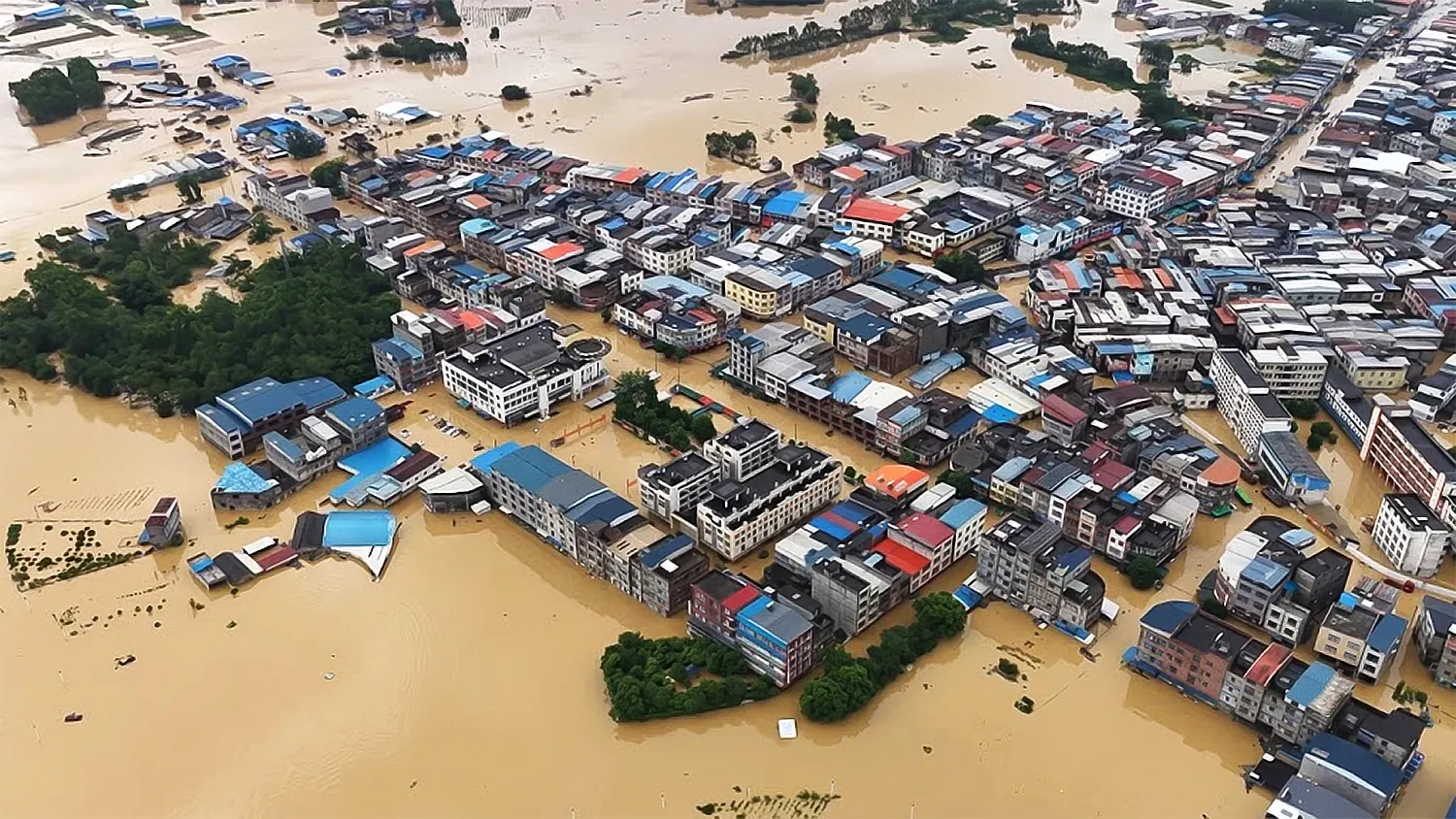
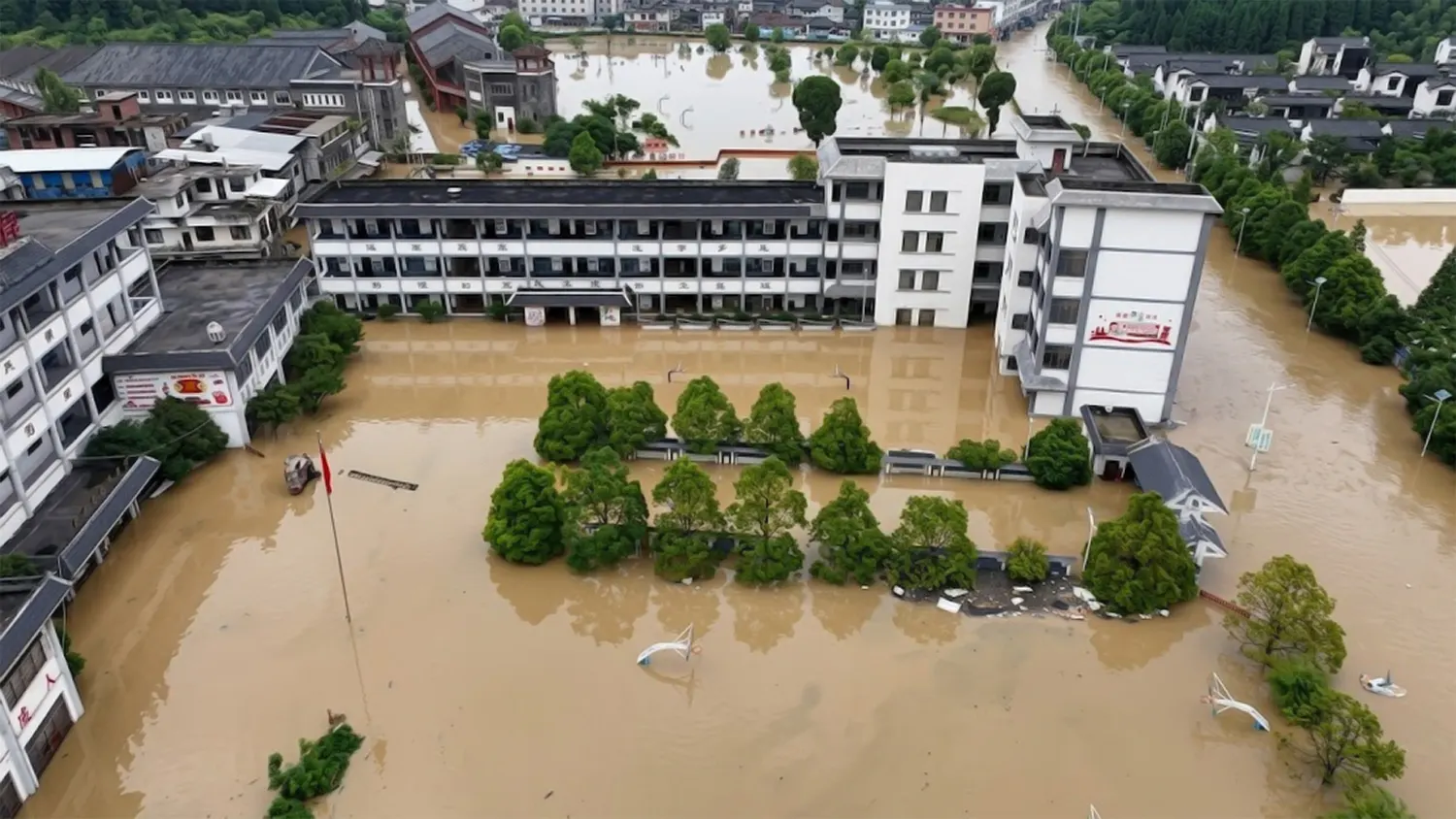
While volcanic ash settled across the Big Island, residents on Oʻahu and Kauaʻi faced a more immediate and life threatening danger: flash flooding.
The culprit is a Kona Low, a type of storm system that pulls in deep tropical moisture and stalls over the islands. This particular system has been especially destructive.
Oʻahu: Evacuations and Rescue Operations
On Oʻahu’s North Shore, rising waters forced emergency evacuations in Waialua.
- The Kaukonahua Stream overflowed, inundating homes and roads.
- Emergency crews deployed high water vehicles and jet skis to rescue stranded residents.
- Major routes, including Wilikina Drive, were submerged, cutting off access and complicating response efforts.
Although water levels have begun to recede, damage assessments are ongoing, and many residents remain displaced.
Kauaʻi: Infrastructure Under Strain
Meanwhile, Kauaʻi has been grappling with infrastructure failures triggered by relentless rainfall.
- A 72,000 gallon wastewater spill at the Waimea Treatment Plant has led to contamination warnings in coastal waters.
- The Hanalei Bridge has faced intermittent closures, isolating communities and disrupting daily life.
These cascading failures underscore how critical systems can quickly become overwhelmed under extreme weather conditions.
The Compound Effect: When Disasters Interact
Beyond the immediate devastation, the most concerning aspect of this crisis is how these events amplify each other.
Saturated Ground, Elevated Risk
This is the third Kona Low storm to hit Hawaiʻi since mid March. As a result:
- Soils are fully saturated, meaning even light rainfall now leads to rapid runoff.
- The risk of landslides is “extremely high,” particularly in steep terrain.
Volcanic Smog and “Dirty Rain”
Meanwhile, volcanic gases from Kīlauea have mixed with storm moisture, producing:
- Vog (volcanic smog): A hazardous mix of sulfur dioxide and fine particles.
- Acid rain: Capable of damaging crops and contaminating rainwater catchment systems.
- “Dirty rain”: Reports from Hilo and Puna describe rainfall mixed with ash, creating additional cleanup and health concerns.
In essence, the environment itself becomes more volatile when these systems overlap.
Safety in a Multi Hazard Scenario
Given the complexity of the situation, public safety guidance has focused on practical, immediate actions:
- Avoid floodwaters: Even shallow moving water can sweep vehicles away.
- Use protective gear: Masks and eye protection are essential in ash affected areas.
- Protect water supplies: Catchment systems should be checked and filtered after ashfall.
- Limit travel: Roads may be structurally compromised or blocked by debris.
These measures are not merely precautionary, they are critical for reducing risk in an evolving emergency.
A Fragile Recovery
As of April 11, 2026, the situation remains fluid. Emergency responders are transitioning from active rescues to damage assessment, but hazards persist.
The volcanic eruption may be paused, yet it is far from over. The storm system is weakening, but its aftereffects, flooding, contamination, and landslides will linger
for days or even weeks.
Ultimately, this event serves as a stark reminder: natural disasters rarely occur in isolation. When they overlap, their impacts are not just additive, they are exponential.
For Hawaiʻi, the path forward will require not only recovery but also resilience planning in the face of increasingly complex environmental threats.