A Powerful Storm with a Narrow Escape
New Zealand is facing the aftermath of Cyclone Vaianu, a powerful Category 3 storm
that struck the North Island on April 12, 2026.
While the cyclone caused widespread disruption, there is a growing sense of “cautious relief”. Early forecasts warned of severe damage to major cities like Auckland but the storm’s path shifted just enough to spare the worst case scenario.
Still, for thousands of residents across the eastern North Island, the danger is far from over.
Landfall and Immediate Impact
Cyclone Vaianu made landfall in the Bay of Plenty, bringing winds exceeding 130 km/h
(81 mph) and intense rainfall.
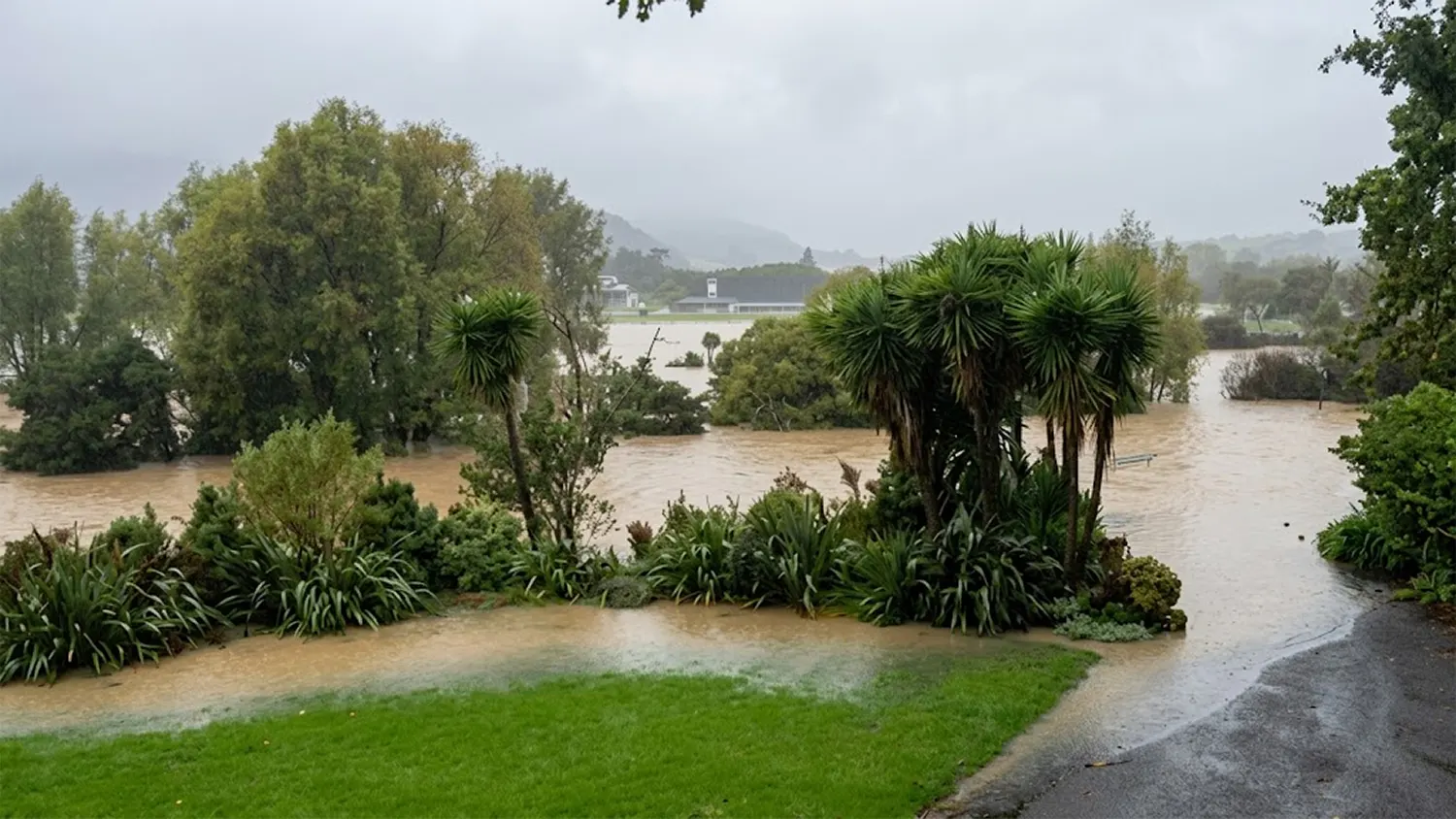
The hardest hit areas experienced a dangerous combination of high winds, flooding, and coastal surges.
Key impacts include:
- Over 5,000 homes without power, especially in Coromandel and Bay of Plenty
- Heavy rainfall exceeding 100mm, worsening already saturated ground
- Widespread road closures, including sections of major highways
- Structural damage, with roofs lifted and power lines downed
As a result, entire communities were temporarily cut off, and emergency services were stretched across multiple regions.
Evacuations and Human Impact
The most urgent situation unfolded in the Whakatāne District, where authorities issued mandatory evacuations.
Around 270 households in coastal communities like Ōhope and Thornton were forced to leave their homes due to life threatening conditions, including:
- Storm surges
- Waves reaching up to 7 meters
- Flooding of low lying areas
Despite the severity, there is some positive news:
No fatalities have been confirmed so far, and many residents have now been given the
|all clear to return though only after carefully inspecting their homes for damage.
Regional Breakdown: Who Was Hit Hardest?
The impact of Cyclone Vaianu varied significantly across regions.
Bay of Plenty
The epicenter of the storm’s impact.
Faced the worst conditions, including intense rainfall and massive coastal swells.
Coromandel
Severely affected by wind and flooding.
Road closures and fallen trees have made travel dangerous, while power outages persist.
Waikato
Still under a State of Emergency.
The main concern here is landslides and rising river levels, even after the storm passes.
Auckland
Largely spared the worst.
Emergency shelters saw minimal use, and most Civil Defence Centres have already closed.
Why the Damage Was Less Than Expected
Officials say New Zealand avoided catastrophe because the cyclone shifted slightly east at a critical moment.
Emergency Management Minister Mark Mitchell noted that while damage is significant in some areas, the country escaped the “worst case scenario.”
This small change in trajectory made a major difference, especially for densely populated areas like Auckland.
The Ongoing Threat: Flooding and Landslides
Although the strongest winds have passed, the risk is now shifting not disappearing.
Flooding and Contamination
Floodwaters remain a serious hazard.
Authorities warn that floodwater may be contaminated with sewage and agricultural runoff, posing health risks. Residents are urged to:
- Avoid contact with floodwater
- Wash thoroughly if exposed
- Stay away from affected areas
Landslides (Slips)
With the ground already saturated, landslides can occur even after the rain stops.
Warning signs include:
- Cracks in the ground or driveways
- Tilting fences or trees
- Doors or windows suddenly sticking
These risks can persist for days after the storm.
Weather Outlook
As Cyclone Vaianu moves away, conditions are expected to gradually improve but not immediately.
Sunday Night (April 12)
- Winds easing, but heavy rain warnings remain
- High tides pose ongoing flood risks, especially in coastal areas
Monday (April 13)
- The storm tracks toward the Chatham Islands
- Conditions across the North Island begin to stabilize
- Intermittent showers continue
Tuesday–Wednesday
- A brief period of calmer weather
- Temperatures around 19–20°C
- However, rain is expected to return by midweek, raising concerns for already saturated areas
Infrastructure and Recovery Challenges
Recovery efforts are underway, but progress is slow.
Power restoration has been delayed due to unsafe wind conditions, preventing crews from repairing damaged power lines.
At the same time:
- Road closures continue to disrupt transport
- Emergency teams are assessing structural damage in homes and buildings
- Government officials are preparing for possible recovery funding
Minister Mark Mitchell is expected to visit affected areas to evaluate the scale of damage and coordinate next steps.
A Reminder of Climate Risks
Cyclone Vaianu highlights a growing reality:
Extreme weather events are becoming more frequent and more intense.
Even though New Zealand avoided the worst this time, the storm underscores:
- The importance of early warnings and evacuations
- The vulnerability of coastal and low lying communities
- The ongoing challenge of infrastructure resilience
A Crisis Not Yet Over
Cyclone Vaianu may be moving away, but its impact is still unfolding.
Thousands remain without power, flood risks are ongoing, and communities are only beginning to assess the damage.
The immediate danger may be easing but the recovery phase is just beginning.
For now, authorities are urging caution: stay alert, avoid unnecessary travel, and take flood and landslide warnings seriously.