A War Turning Into a Financial Test
The war between the United States, Israel, and Iran is no longer just a military confrontation
it is rapidly becoming a test of economic endurance and political will in Washington.
At the center of this storm is a staggering $200 billion emergency funding request, now under intense debate in Congress. If approved, it would rank among the largest wartime spending packages in modern U.S. history.
The key question is no longer whether the war will continue but whether the United States can afford how it continues.
From Rapid Strikes to a Sustained Campaign
The conflict began on February 28 under Operation Epic Fury, the U.S. campaign coordinated with Israel’s parallel offensive, Operation Roaring Lion.
What started as a high intensity strike campaign aimed at crippling Iranian capabilities has quickly evolved.
Instead of a short, decisive operation, the war has entered a prolonged phase, one defined by constant strikes, retaliation, and growing regional risk.
As a result, the Pentagon is now planning not for weeks, but for months.
A $200 Billion Request That Changed Everything
The turning point came when the Pentagon formally requested $200 billion in emergency funding, a figure first reported by The Washington Post and later confirmed by The Associated Press.
The scale of this request is extraordinary:
- Nearly four times larger than earlier estimates
- Higher than the peak annual cost of the Iraq War (~$140 billion)
- Almost eight times NASA’s annual budget ($24.4 billion)
This is not a short term funding patch, it is a blueprint for a long war.
Why the Cost of War Is Exploding
1. The Munition Burn Rate Crisis
The primary driver of cost is simple but alarming: the U.S. is burning through advanced weapons faster than it can replace them.
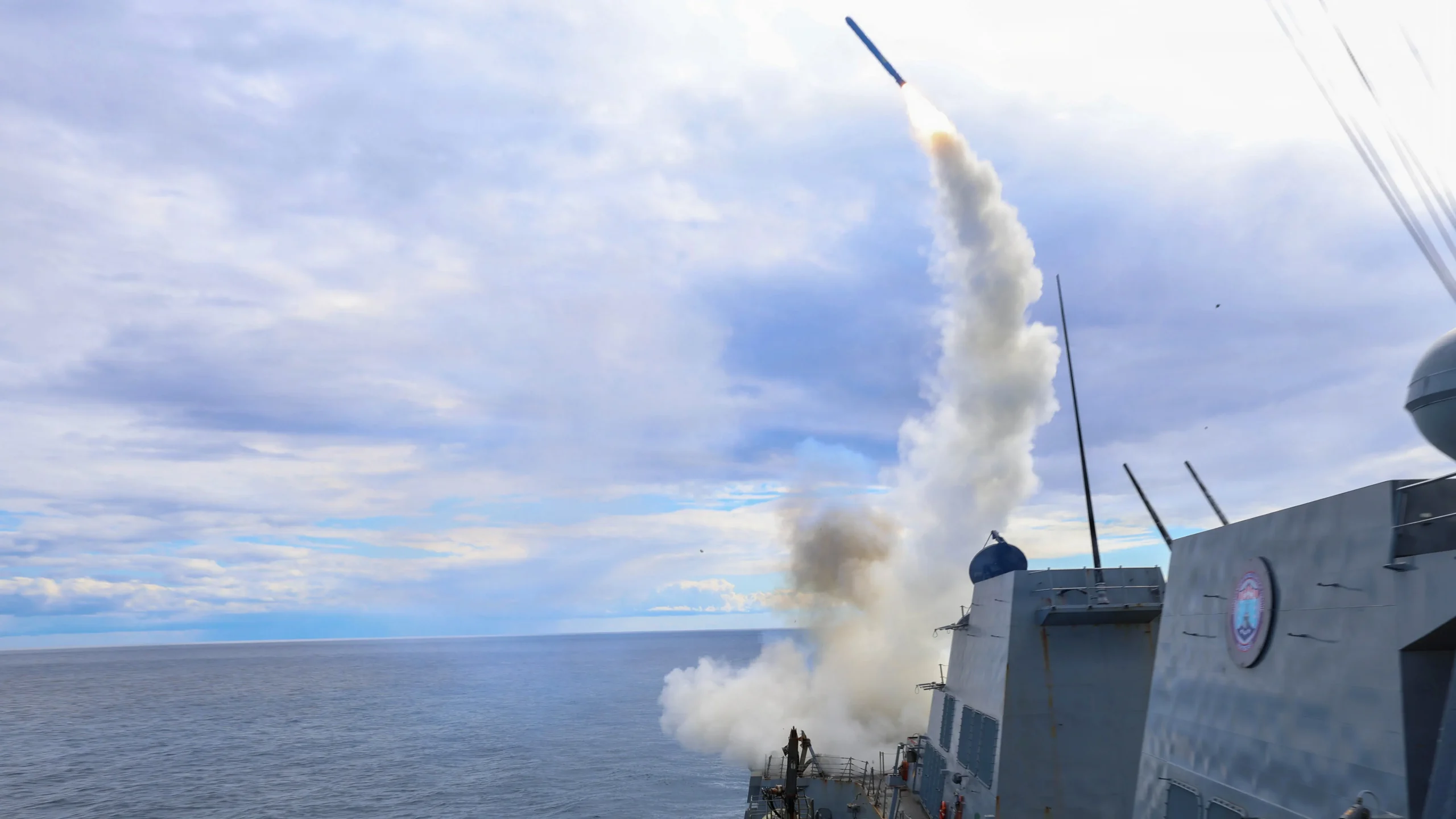
- Around 319 Tomahawk missiles were fired in just the first six days
- Each missile costs up to $3.5 million when factoring full operational use
- Defensive interceptors cost between $10 million and $28 million per shot
But the most striking issue is the imbalance:
The U.S. is using multi million dollar missiles to shoot down Iranian drones that cost roughly $20,000.
This “cost exchange ratio” is unsustainable and a major reason behind the massive funding request.
2. A Defense Industry Not Built for This War
Another critical factor is structural. The U.S. defense industrial base is not currently designed for prolonged, high intensity conflict.
To address this, the funding would:
- Expand production lines at major defense firms
- Shift toward low cost drone systems
- Push the industry into what officials describe as “war mode” production
This is a significant shift.
The U.S. is effectively trying to rebuild its wartime manufacturing capacity in real time.
3. The Cost of Staying Power
Beyond weapons, maintaining military presence is enormously expensive.
- Carrier strike groups cost $15–20 million per day
- Multiple naval assets are now concentrated in the Persian Gulf
- Amphibious units are positioned for potential operations to secure the Strait of Hormuz
This is not just about striking Iran, it is about sustaining a long-term military posture in a volatile region.
The Cost So Far: A Rapidly Rising Bill
The financial toll has already been significant.
- The war cost $11.3 billion within the first six days
- Current estimates place total spending between $16.5 billion and $18 billion in under three weeks
- The average burn rate stands at roughly $630 million per day
In just 19 days, the U.S. has spent more than the annual budgets of major public health agencies.
This underscores a stark reality:
Modern warfare is not just fast, it is financially relentless.
Political Shockwaves in Washington
The funding request has triggered a fierce political response.
Congressional Resistance
Many lawmakers have pushed back strongly.
Critics argue that $200 billion should be spent at home, not on an expanding war abroad.
At the same time, concerns over fiscal responsibility are growing, especially after the U.S. national debt officially surpassed $39 trillion this week.
This creates a rare moment of bipartisan tension though driven by different priorities.
Internal Friction Inside the Administration
Even within the administration, there are signs of hesitation.
Budget officials are reportedly skeptical that such a massive request can pass a divided Congress, raising the likelihood of delays or reductions.
Meanwhile, Defense Secretary Pete Hegseth offered a blunt justification for the spending:
“It takes money to kill bad guys.”
The quote captures the administration’s position but also highlights the stark trade offs involved.
Economic Fallout: Markets Begin to React
The financial implications are already spreading beyond Washington.
Markets have shown volatility following news of the $200 billion request, driven by concerns over:
- Increased government borrowing
- Persistent inflation
- Higher interest rates
The war is no longer just a geopolitical issue, it is becoming a macroeconomic one.
What This Means for the War
The Pentagon’s request sends a clear signal:
This war is not expected to end soon.
Instead, the funding would provide:
- The ability to sustain months of high intensity operations
- Resources to counter ongoing Iranian retaliation
- Capacity to secure strategic chokepoints like the Strait of Hormuz
In military terms, this is about endurance not speed.
The Road Ahead for Washington and the Battlefield
The next phase will unfold along two critical paths.
1. Congress
Lawmakers must decide whether to approve, scale down, or reject the funding.
Without approval, the Pentagon may face limits on how long it can sustain current operations.
2. The Battlefield
If funding is secured, the war is likely to expand in both duration and intensity.
If not, strategic adjustments or constraints may follow.
The Real Cost of This War
The $200 billion request is more than a budget, it is a turning point.
It signals that:
- The conflict is entering a prolonged phase
- The U.S. must rebuild its military capacity under pressure
- Washington faces a fundamental debate over priorities at home and abroad
In the end, this is not just about funding a war, it is about defining the limits of American power in a new era of conflict.