The Strait of Hormuz is one of the most important waterways in the global economy. Nearly one fifth of the world’s oil supply passes through this narrow shipping lane
linking the Persian Gulf to international markets.
Today, that route has become a geopolitical flashpoint.
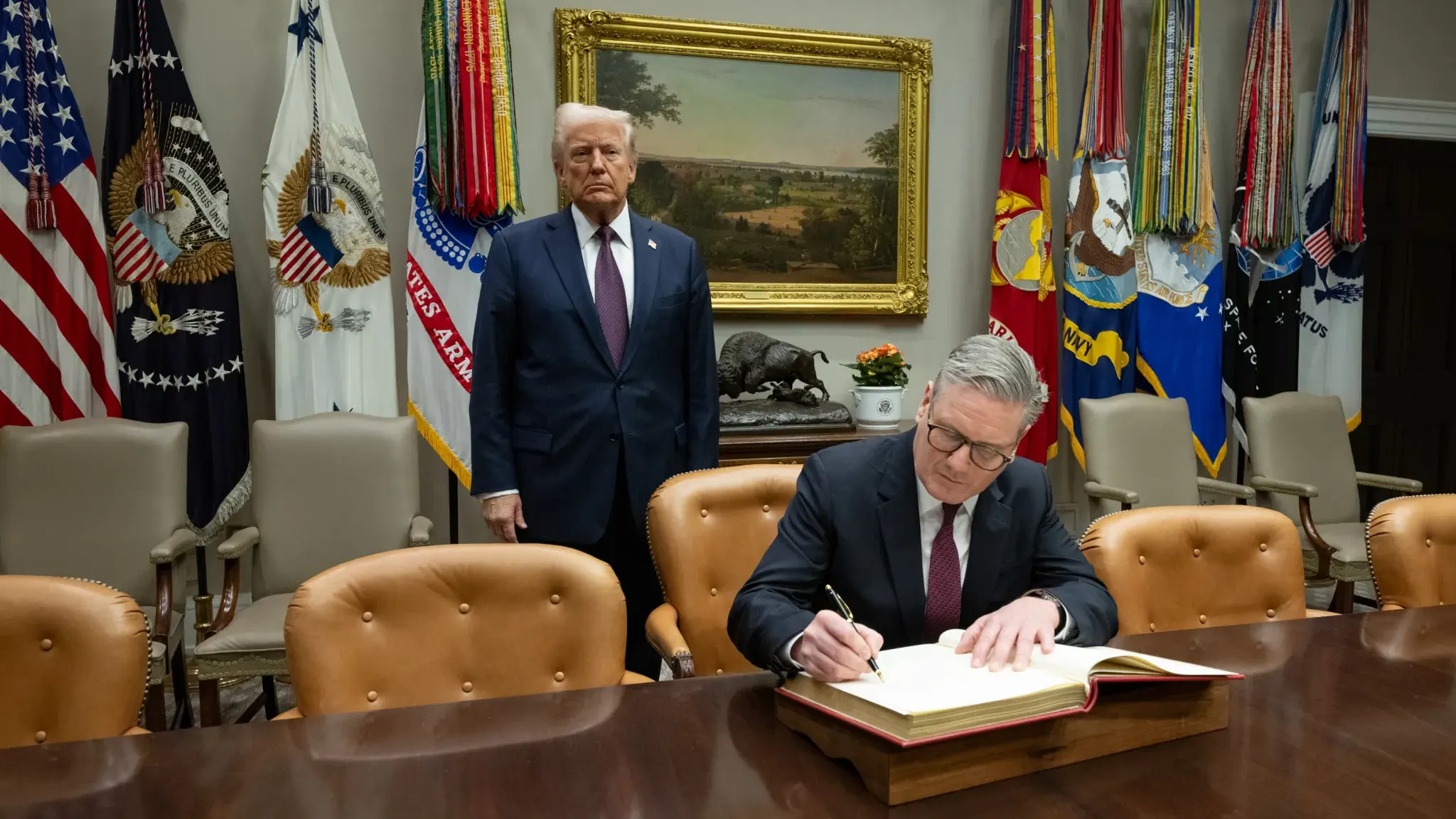
As tensions in the Middle East disrupt shipping and energy markets, a diplomatic rift has emerged between the United States and one of its closest allies the United Kingdom. President Donald Trump has publicly criticized the British government for what he sees as slow support for U.S. led efforts to secure the strait.
At the center of the dispute is a difficult question: how far Western allies should go to protect global trade routes without triggering a wider regional war.
The Strategic Importance of the Strait of Hormuz
The Strait of Hormuz is often described as the world’s most critical maritime chokepoint.
Every day, tankers carrying oil and liquefied natural gas from Gulf producers such as
Saudi Arabia, Iraq, and the United Arab Emirates pass through the narrow passage.
Any disruption immediately affects global energy markets.
In recent weeks, the situation has become increasingly dangerous. Ships operating in the area face threats from missiles, drones, and potential naval mines, forcing many shipping companies to suspend voyages through the strait.
The financial impact has been dramatic. Insurance premiums for vessels entering the region have increased roughly twelve fold since the crisis began, making it far more expensive and risky for shipping companies to operate there.
As a result, commercial traffic through the strait has dropped sharply, in some cases approaching a standstill.
This disruption has fueled volatile energy prices and growing concern about the stability of global supply chains.
Trump’s Frustration With Allied Support
The United States has pushed to organize maritime security operations to stabilize the waterway. But Washington has struggled to rally rapid support from allies.
President Trump has publicly expressed frustration with several NATO partners, including the United Kingdom. He has emphasized that the United States is capable of managing the situation alone but warned that Washington will remember which countries did not step forward.
Much of his criticism has been directed at the speed of Britain’s response.
Trump has said that Prime Minister Keir Starmer moved too slowly when considering the deployment of naval support, particularly smaller but critical assets such as minesweepers and patrol vessels.
Those systems are essential because clearing potential naval mines is one of the most urgent tasks in reopening the strait to commercial shipping.
While Trump has also mentioned aircraft carriers in public remarks, official reporting indicates his primary frustration centers on the delayed deployment of these specialized mine clearing and patrol assets, which are crucial during the early phase of maritime security operations.
The UK’s Strategy: Defensive Intervention
From London’s perspective, the British government is already contributing but in
a carefully limited way.
Prime Minister Keir Starmer has adopted what officials describe as a
“defensive intervention” strategy. The goal is to protect British interests and regional partners while avoiding involvement in a broader offensive war in the Middle East.
Under this approach, British forces have taken several defensive steps:
- Conducting air patrols using Typhoon and F-35 fighter jets
- Intercepting Iranian drones and missiles threatening regional allies such as Qatar and Jordan
- Expanding the UK’s military footprint in the region, including deployments from bases in Cyprus
However, Starmer has refused to participate in offensive strikes against Iranian infrastructure, drawing a firm line between defensive protection and escalation into
a larger conflict.
The British government argues that maintaining this distinction is essential to prevent the crisis from spiraling into a full regional war.
Quiet Cooperation Behind the Scenes
Despite the sharp public rhetoric, cooperation between the two countries has not stopped.
In fact, Britain has continued to provide important logistical support to U.S. operations.
On March 1, the UK government granted permission for the United States to use British facilities such as RAF Fairford for limited defensive operations linked to regional security.
Britain has also deployed additional military capabilities to the region, including
counter drone technology and naval assets. One example is the relocation of the destroyer HMS Dragon to the Eastern Mediterranean, strengthening the Royal Navy’s presence near the conflict zone.
These moves highlight an important nuance: while political tensions are rising, the operational alliance between the two countries remains intact.
A Debate Over NATO’s Role
Another point of disagreement concerns the role of NATO.
Prime Minister Starmer has made clear that he does not want the Strait of Hormuz mission to become a formal NATO operation. Instead, he is advocating for a broader coalition that includes European and Gulf partners.
Many European governments share this caution. They worry that turning the operation into a NATO mission could draw the alliance into a direct confrontation with Iran, something many leaders are eager to avoid.
As a result, London has pushed for an international maritime security effort focused narrowly on reopening shipping lanes rather than expanding military operations in the region.
The Domestic Pressures Shaping UK Policy
British domestic politics also plays a significant role in the government’s cautious stance.
The instability in the Strait of Hormuz has already pushed energy markets into turmoil. Higher oil prices could translate into increased fuel and electricity costs for British households, an especially sensitive issue during a continuing cost of living crisis.
Starmer has repeatedly linked the crisis abroad to economic pressure at home.
By limiting Britain’s military role to defensive actions, the government hopes to balance alliance commitments with the need to avoid a long, costly conflict that could further strain the UK economy.
Why the Dispute Matters
The disagreement between Washington and London reflects a broader strategic divide among Western allies.
For the United States, reopening the Strait of Hormuz quickly is a top priority, both to stabilize energy markets and demonstrate military deterrence.
European governments, however, tend to view the situation through a different lens.
Their primary concern is preventing the crisis from escalating into a wider Middle East war that could destabilize global markets and regional security.
This difference in priorities has produced an unusual situation: two of the closest allies in international politics publicly debating how aggressive the response should be.
What Comes Next in the Hormuz Crisis
Several factors will determine how the situation evolves:
- Whether an international maritime coalition forms to escort ships through the strait
- How Iran responds to ongoing military deployments in the region
- Whether commercial shipping companies regain confidence to resume normal traffic
- And how energy markets react if the disruption continues
If the standoff persists, pressure will likely grow on Western governments to coordinate their strategies more closely.
But any further escalation could quickly transform a shipping crisis into a much larger regional conflict.
A Test for the U.S.–UK Alliance
The tensions between the Trump administration and the British government highlight
a deeper challenge for Western alliances.
The United States wants faster, stronger allied action to secure the Strait of Hormuz.
The United Kingdom is trying to support regional security while avoiding a wider war.
For now, cooperation continues behind the scenes.
But with global energy supplies, shipping routes, and alliance politics all intertwined, the outcome of this dispute could shape how the West responds to crises in the Middle East for years to come.