In the early hours of Friday, March 13, 2026, Pakistan launched a series of airstrikes deep inside Afghan territory, hitting locations in Kabul, Kandahar, and multiple eastern border provinces. The attacks ended a brief lull that followed Chinese mediation efforts and signaled a sharp escalation in what is increasingly being described as an “open war.”
The conflict, which intensified in late February, has rapidly evolved from border security tensions into a high intensity interstate confrontation. Civilian casualties are mounting, infrastructure is being destroyed, and both sides are exchanging increasingly aggressive military strikes.
At the same time, a worsening humanitarian crisis is unfolding along the 2,600 kilometer Durand Line, where more than 115,000 people have already been displaced.
The Conflict’s Current Phase Began on February 26
The current escalation began on February 26, when Pakistan launched its military offensive following a surge of militant attacks inside the country.
Islamabad framed the campaign known as Operation “Ghazb Lil Haq” (Wrath for Truth)
as a response to attacks attributed to Tehrik e Taliban Pakistan (TTP) militants.
Pakistan argues that these militants are operating from safe havens inside Afghanistan, using rugged border provinces to launch attacks into Pakistani territory.
Pakistani officials describe the offensive as an “open war” against militant networks threatening Pakistan’s security.
The Taliban government in Kabul strongly rejects this narrative. Afghan officials say the airstrikes represent a violation of Afghan sovereignty and an act of unprovoked aggression.
As the fighting intensified, the Taliban leadership began using the same phrase
“open war” to describe what it views as Pakistan’s widening military campaign against Afghanistan.
Overnight Airstrikes Strike Kabul
One of the most alarming developments occurred in Kabul, where Pakistani strikes reached the outskirts of the Afghan capital.
The bombardment targeted the Guzar area in District 21, a residential neighborhood on the city’s edge.
According to local authorities:
- Four civilians were killed, including women and children
- Fifteen people were injured
- Multiple homes were severely damaged
Journalists on the ground reported widespread destruction.
At least one house was completely flattened, while more than a dozen others suffered major structural damage, including collapsed roofs and shattered walls.
Local residents insist the area contained no military targets.
“There aren’t any military posts here,” said community representative Abdul Rahim Tarakil.
“There are only ordinary people, poor people.”
The strike marks a dramatic expansion of the conflict, bringing direct airstrikes to the outskirts of Afghanistan’s capital.
Kandahar Strike Targets Fuel Depot Linked to Aid Operations
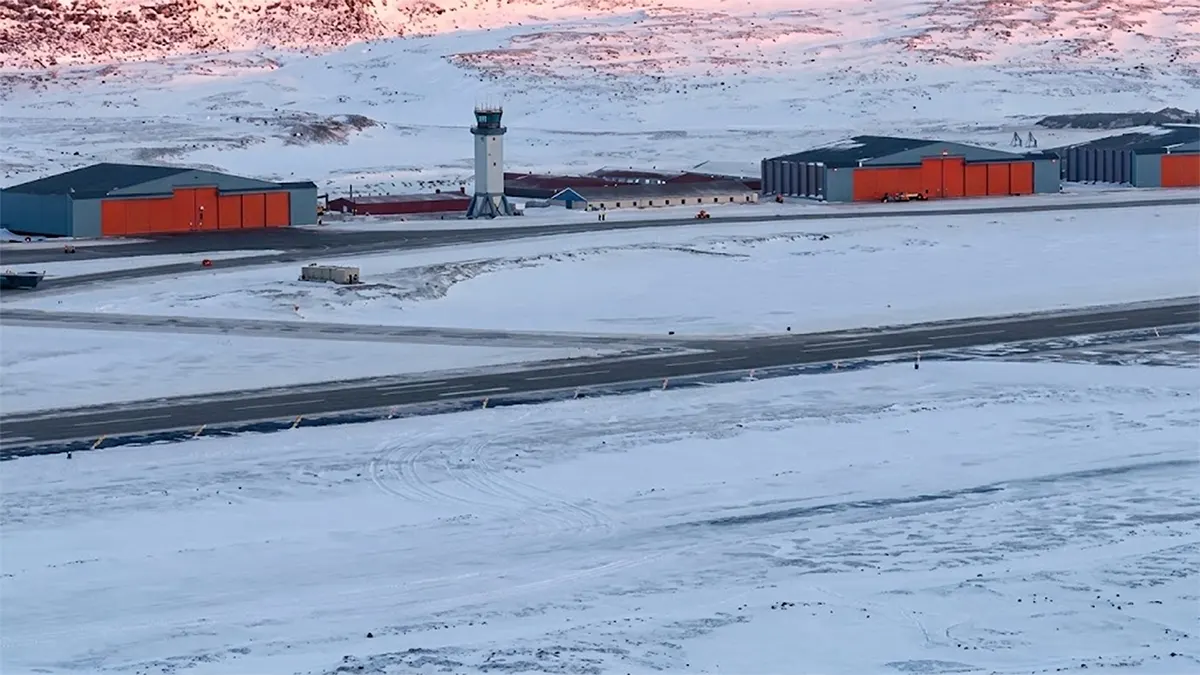
At roughly the same time, Pakistani aircraft struck a major fuel storage facility near Kandahar International Airport.
The depot belongs to Kam Air, Afghanistan’s largest private airline.
Taliban officials say the facility serves several important roles:
- Fueling commercial domestic flights
- Supporting airport logistics
- Refueling United Nations aircraft used for humanitarian missions
The strike therefore risks disrupting both civilian aviation and international aid operations.
Taliban spokesperson Zabihullah Mujahid condemned the attack as “clear aggression”, warning that targeting infrastructure tied to humanitarian missions could worsen Afghanistan’s already fragile aid network.
The Kandahar strike also appears to fit a broader pattern.
Earlier in the week, Afghan officials accused Pakistan of destroying another commercial fuel depot owned by a local businessman, suggesting that the campaign may increasingly target logistical and economic infrastructure.
Eastern Provinces Become the War’s Main Battlefield
While urban strikes have captured global attention, the heaviest fighting is occurring in Afghanistan’s eastern provinces, particularly Paktia and Paktika.
Pakistan says these areas contain core TTP militant bases used to organize attacks inside Pakistan.
According to Pakistani officials, seven militant camps were targeted overnight in what they describe as “intelligence based selective strikes.”
Islamabad frequently refers to TTP fighters as “Khawarij,” a religious term used to delegitimize extremist groups.
Afghan officials dispute Pakistan’s claims.
Taliban spokespersons say several strikes hit civilian homes and a religious seminary in the Bermal and Urgun districts of Paktika, and rescue teams reportedly recovered nomadic families and non combatants from the rubble.
These provinces have now become the central frontlines of the war, where airstrikes are often followed by artillery exchanges across the Durand Line.
Taliban Retaliation Expands the Conflict
The Taliban government has already begun responding militarily.
Afghanistan’s Ministry of Defence claims it conducted retaliatory drone strikes against a Pakistani military base in the city of Kohat, located inside Pakistan’s Khyber Pakhtunkhwa province.
The scale of the damage remains unclear, but Taliban officials say the attack caused significant losses.
Along the border, Taliban forces have also reportedly launched artillery strikes against Pakistani outposts in the North Waziristan region.
The military balance remains sharply uneven.
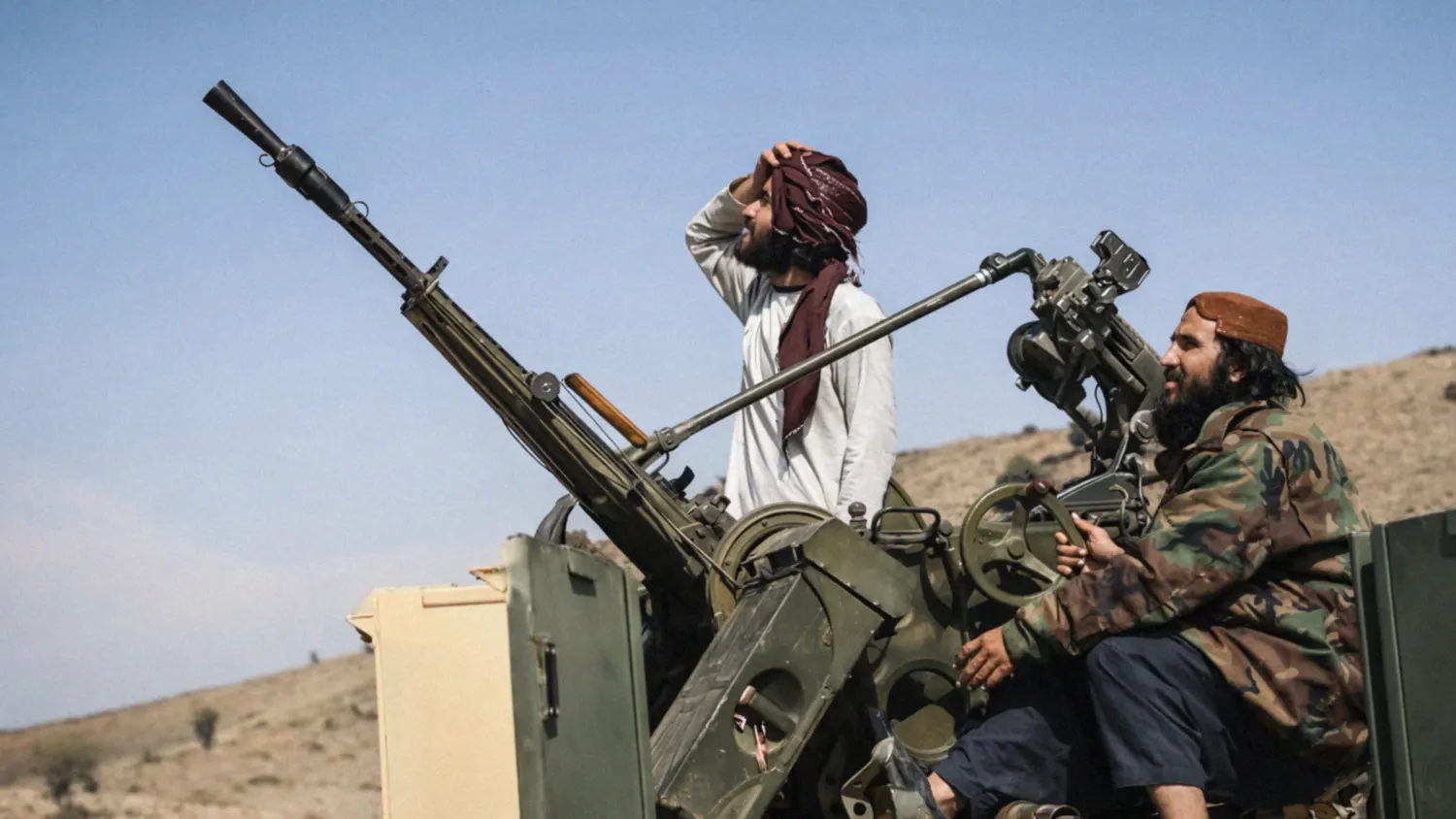
Pakistan relies heavily on air power, drones, and long range strikes, while the Taliban employs artillery, mobile units, and drone attacks in an asymmetric response.
Despite the imbalance, the Taliban appears determined to impose costs on Pakistan through continuous border retaliation.
The Humanitarian Crisis Is Worsening Rapidly
As the conflict intensifies, the humanitarian situation is deteriorating quickly.
Aid organizations estimate that more than 115,000 people have been displaced since the fighting escalated in late February, according to assessments by the Norwegian Refugee Council and other humanitarian agencies.
The crisis is most severe in eastern provinces such as:
- Paktia
- Paktika
- Khost
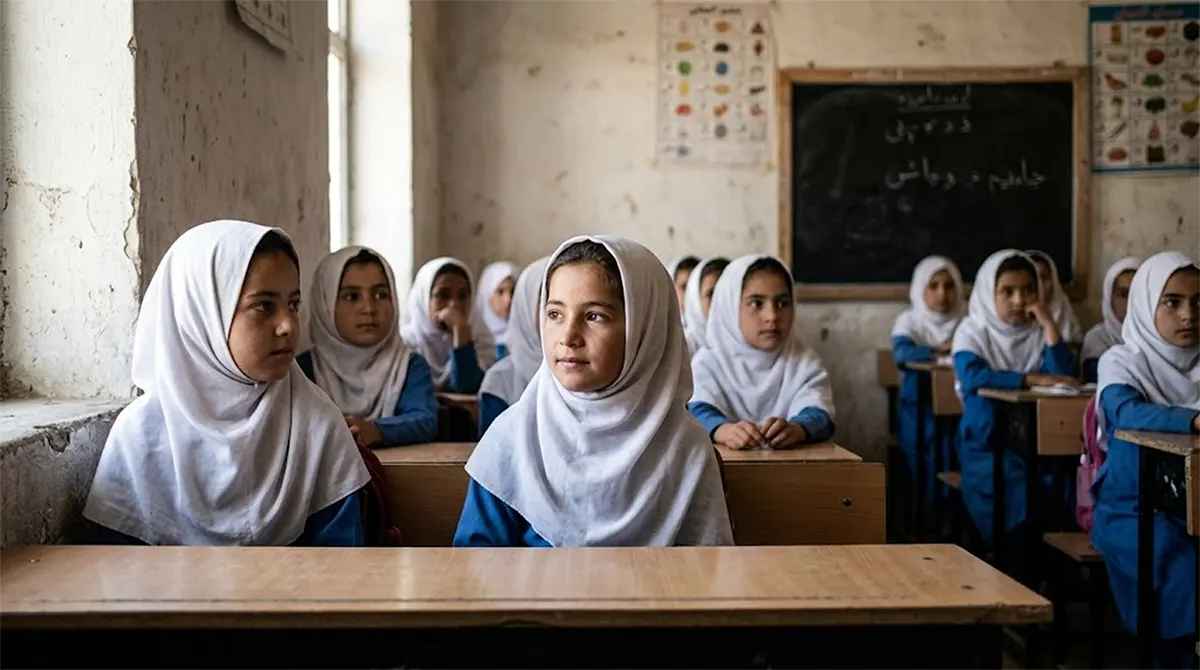
Entire communities are fleeing toward provincial capitals, often living in temporary shelters or makeshift tents.
Healthcare access is also collapsing.
Humanitarian groups report that more than 20 health facilities have suspended
operations because of nearby airstrikes and shelling.
The overall death toll from the conflict is now approaching 100 confirmed fatalities, based on combined estimates from Afghan authorities and humanitarian organizations.
However, the real number may be higher due to limited access to active combat zones.
Aid Response Struggles With Severe Funding Shortfall
The crisis is unfolding at a time when Afghanistan’s humanitarian response is already severely underfunded.
As of mid-March 2026, international agencies report that only about 10 percent of the funding required for Afghanistan’s annual humanitarian aid appeal has been secured.
This means relief organizations are trying to respond to a rapidly growing displacement crisis with extremely limited resources.
Damage to fuel infrastructure such as the depot near Kandahar airport could further complicate aid delivery.
If humanitarian flights lose access to reliable fuel supplies, relief operations across the country could slow dramatically.
India Condemns Pakistan’s Airstrikes
The escalating war has also triggered sharp reactions from regional powers.
India has emerged as one of the most vocal critics of Pakistan’s campaign.
New Delhi has described the airstrikes as a “flagrant violation of international law and the UN Charter.”
Indian diplomats have emphasized the civilian toll, citing reports from humanitarian organizations that many victims include women and children.
Indian officials have also accused Pakistan of “hypocrisy,” arguing that conducting airstrikes during the holy month of Ramadan contradicts Islamabad’s claims of defending Islamic solidarity.
At the same time, India has reaffirmed its support for Afghanistan’s sovereignty and territorial integrity.
This position reflects broader geopolitical shifts.
Over the past year, India has quietly attempted to rebuild ties with the Taliban led government in Kabul, a move that has caused unease in Islamabad and added another layer of rivalry to the conflict.
A War the World Is Barely Watching
Despite its rapid escalation, the Pakistan–Afghanistan war has struggled to capture sustained global attention.
Much of the international focus remains on the escalating confrontation involving the United States, Israel, and Iran in the Middle East.
Afghan officials argue that this global distraction has allowed the border war to intensify with relatively limited diplomatic pressure for de escalation.
Meanwhile, mediation attempts have stalled.
Countries including China, Russia, Türkiye, Qatar, and Saudi Arabia have encouraged negotiations, but no ceasefire has emerged.
The latest wave of airstrikes effectively ended the short pause in fighting that Chinese mediators had attempted to broker earlier this week.
What Happens Next
Several developments could shape the trajectory of the war in the coming weeks.
Analysts are watching closely for:
- Further Pakistani airstrikes deeper inside Afghanistan
- Expanded Taliban drone or artillery attacks inside Pakistan
- Attempts by Taliban forces to deploy anti-aircraft systems in eastern mountain regions
- The reopening or prolonged closure of key border crossings such as Torkham
Perhaps most important is whether direct diplomatic communication between Kabul and Islamabad resumes.
Without dialogue, even small incidents along the frontier could rapidly spiral into larger military confrontations.
A Conflict With Regional Consequences
The Pakistan–Afghanistan conflict has crossed a critical threshold.
What began as a dispute over militant sanctuaries has now evolved into a sustained interstate military confrontation involving airstrikes, drone attacks, and cross border artillery exchanges.
Pakistan is leveraging air superiority and deep strike capabilities, while the Taliban is responding with asymmetric retaliation along the border.
The consequences are already severe.
More than 115,000 people have been displaced, civilian casualties are rising, and humanitarian operations are under growing strain.
With diplomacy stalled and retaliation continuing on both sides, the conflict shows little sign of slowing down.
If the escalation continues, this war could become one of the most destabilizing conflicts in South and Central Asia in years.