Lebanon is no longer facing a limited conflict. It is now at the center of a rapidly
expanding regional war with devastating human consequences.
In just over two weeks, the country has crossed a grim threshold:
more than one million people nearly one in five have been forced from their homes.
What began as cross border fighting has evolved into a full scale military campaign,
with ground invasions, mass displacement, and growing fears that Lebanon’s fragile state could collapse entirely.
The Catalyst: From Ceasefire Collapse to Full Scale War
The crisis began on March 2, when a fragile ceasefire broke down. What followed was rapid escalation.
Hezbollah’s attacks on northern Israel triggered a massive Israeli military response,
but this time the scale is far broader.
Israeli forces have now moved beyond airstrikes. As of March 17, multiple divisions are engaged in coordinated ground operations inside southern Lebanon.
This marks a turning point.
The conflict has shifted from contained skirmishes to sustained territorial warfare.
A Multi Front Ground Offensive Takes Shape
The military situation on the ground is expanding quickly and with clear structure.
Israel has deployed three main divisions across distinct fronts:
- The 91st “Galilee” Division in the eastern sector, currently engaged in intense
house to house fighting in the town of Khiam - The 36th “Rage” Division pushing through central areas toward key towns
like Bint Jbeil - The 146th Reserve Division securing the western coastal sector and targeting tunnel networks
This coordinated advance signals a deeper objective.
The mission is no longer limited to deterrence, it is about territorial control.
The “Litani Line”: A Strategic and Human Red Line
One statement has fundamentally changed the stakes of the war.
Israel’s Defense Minister has declared that displaced civilians will not be allowed to return south of the Litani River until security is guaranteed.
This is not a temporary measure.
It points toward a long term plan to reshape the border through sustained military presence.
For civilians, the implication is severe:
Entire communities may remain empty or be systematically destroyed.
Analysts increasingly describe this approach as a “Gaza style doctrine,” referencing operations in Rafah and Beit Hanoun.
A Humanitarian Collapse at Unprecedented Speed
While military advances continue, the humanitarian crisis is accelerating even faster.
More than 1,049,000 people are now displaced roughly 20% of Lebanon’s population.
What makes this especially alarming is the speed.
Most of this displacement occurred in just 15 days.
The breakdown is stark:
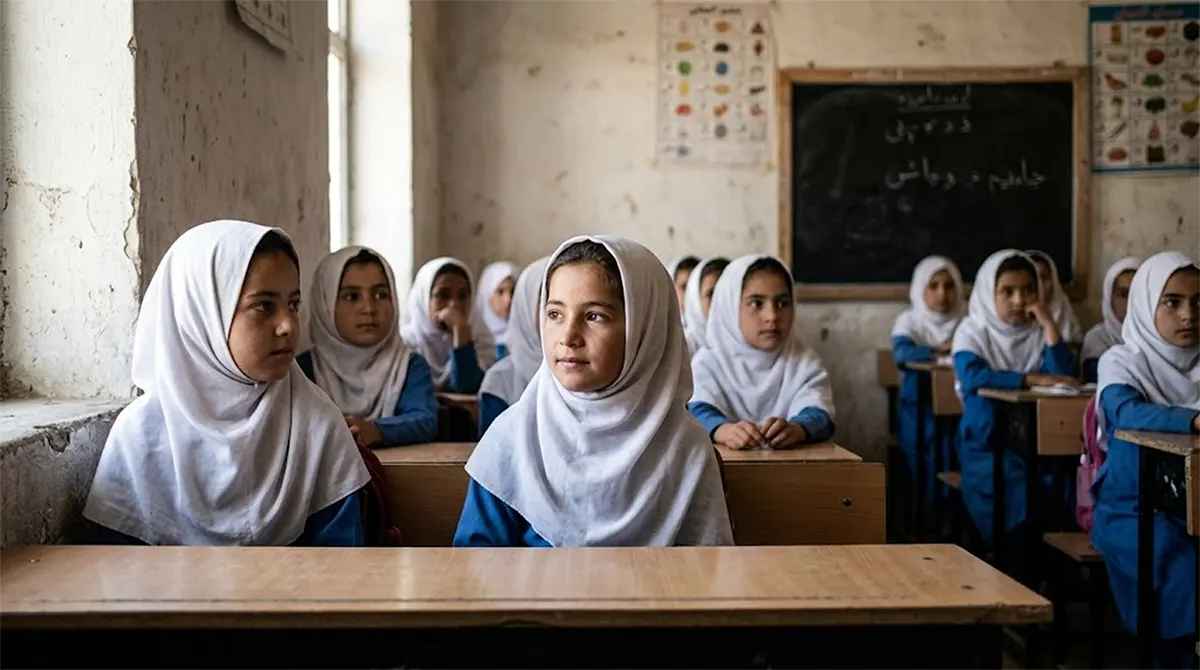
- Around 128,000 people are in 567 official shelters (mainly schools)
- Nearly 90% are outside formal aid systems
- Hundreds of thousands are living in cars, tents, or open spaces
As a result, Lebanon is not just facing displacement, it is experiencing a nationwide collapse of basic living conditions.
The “Zahrani Line”: A New Point of No Return
The crisis could escalate dramatically in the coming days.
The United Nations has warned that if fighting reaches the Al-Zahrani River, displacement could surge to 1.5 million people.
This is critical because the the area includes Sidon, one of Lebanon’s largest cities.
If that line is crossed:
The war will engulf a major urban center, triggering a second wave of mass displacement.
One UN official described the situation bluntly:
“A nation in flight.”
Infrastructure Breaking Under Pressure
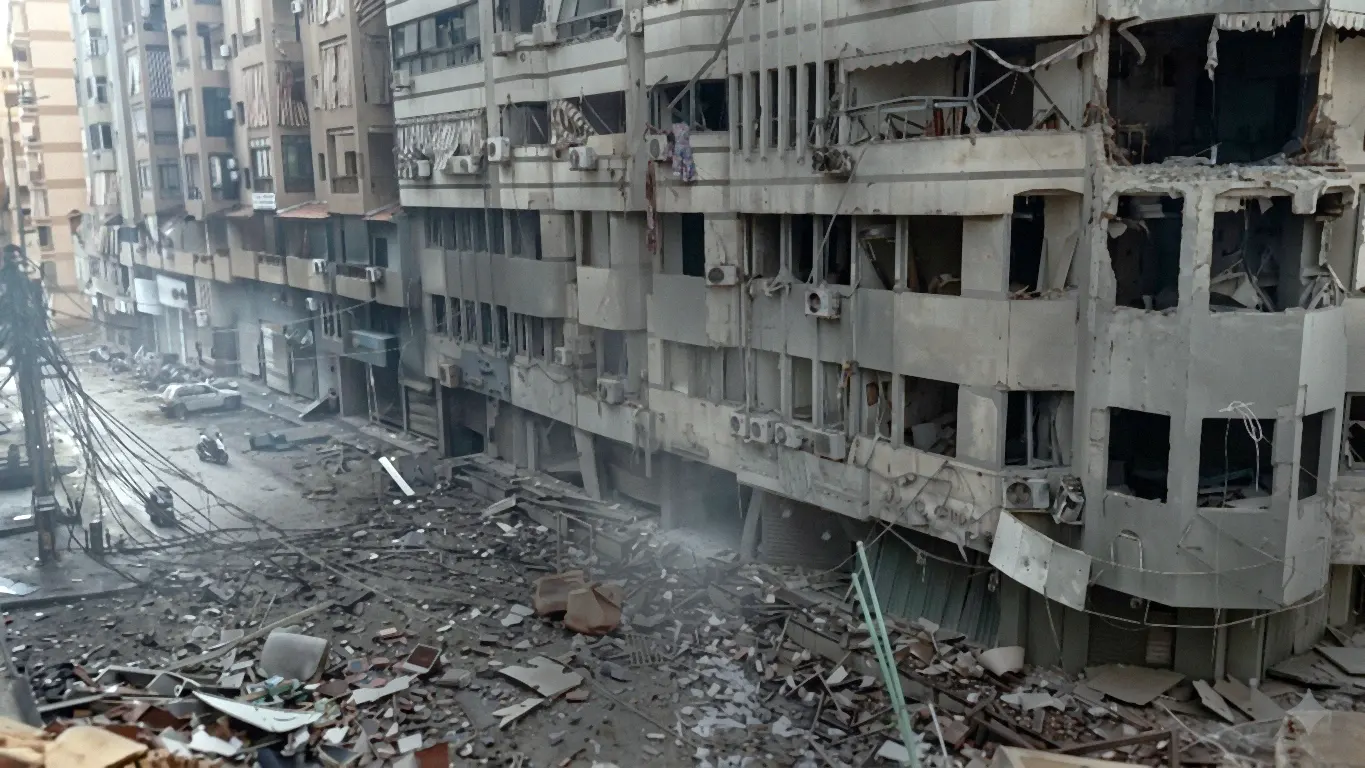
Beyond displacement, Lebanon’s essential systems are beginning to fail.
Hospitals are closing, water systems are collapsing, and public health risks are rising sharply.
Key indicators highlight the scale:
- 55 hospitals and clinics have shut down
- 1.2 million people lack safe drinking water
- 7,750 pregnant women are displaced, with around 860 expected to give birth this month without proper facilities
This is no longer just a war zone.
It is a country approaching full humanitarian collapse.
Lebanon’s Internal Fracture: A State vs. Hezbollah
At the same time, a second conflict is unfolding inside Lebanon.
The government has taken the unprecedented step of banning all Hezbollah military activity, following an emergency cabinet decision led by President Joseph Aoun and
Prime Minister Nawaf Salam.
What makes this move historic is its backing.
Even political factions aligned with Hezbollah have not blocked the decision, giving it
rare cross sectarian legitimacy.
Actions now include:
- Orders to disarm non state groups
- Arrests linked to unauthorized rocket launches
- Expulsion of individuals tied to Iran’s Revolutionary Guard
However, this creates a dangerous dynamic.
Army Commander Rodolph Haykal has warned that enforcing disarmament could trigger direct confrontation between the Lebanese Army and Hezbollah.
Lebanon is now facing external war and internal instability at the same time.
The Iran Factor: A War Within a War
This conflict cannot be viewed in isolation.
The escalation in Lebanon is directly tied to the broader U.S.–Israel–Iran war that began on February 28.
The assassination of Iran’s Supreme Leader triggered a chain reaction.
Hezbollah’s intervention opened a second front against Israel.
As a result:
Lebanon has become a central battlefield in a much wider regional confrontation.
Diplomatic Paralysis as War Expands
Despite the scale of the crisis, diplomacy is struggling to respond.
The UN Security Council remains divided, with no agreement on a ceasefire.
- The United States continues to support Israel’s objectives
- France has proposed a 30-day humanitarian pause
- No consensus has been reached
Because of this,
there is currently no effective mechanism to stop the war.
Where the Conflict Is Headed
The trajectory points toward further escalation.
Israeli operations are expected to continue for weeks, with the possibility of a longer term presence south of the Litani.
At the same time:
- Displacement could rise to 1.5 million people
- Fighting may move further north
- Internal tensions could escalate into conflict
Each of these developments increases the risk of
total state failure.
A Country on the Edge
Lebanon is facing one of the most dangerous moments in its modern history.
A full scale war, mass displacement, and internal political fracture are all unfolding simultaneously.
What makes this crisis especially alarming is not just its scale but its speed.
In just weeks, nearly a fifth of the population has been uprooted.
Unless fighting slows and diplomacy gains traction,
Lebanon risks crossing a point where recovery is no longer possible and collapse becomes inevitable.