A Conflict Moving Faster Than Diplomacy
The war between Iran, Israel, and the United States has entered a dangerous new phase. Just as talk of a temporary diplomatic pause emerged, a powerful missile strike hit Tel Aviv, underscoring how fragile and possibly illusory those efforts are.
For the global audience, this is no longer a distant regional conflict. It is a fast moving crisis with direct consequences for energy prices, global markets, and international security.
The Immediate Trigger: Missile Strike on Tel Aviv
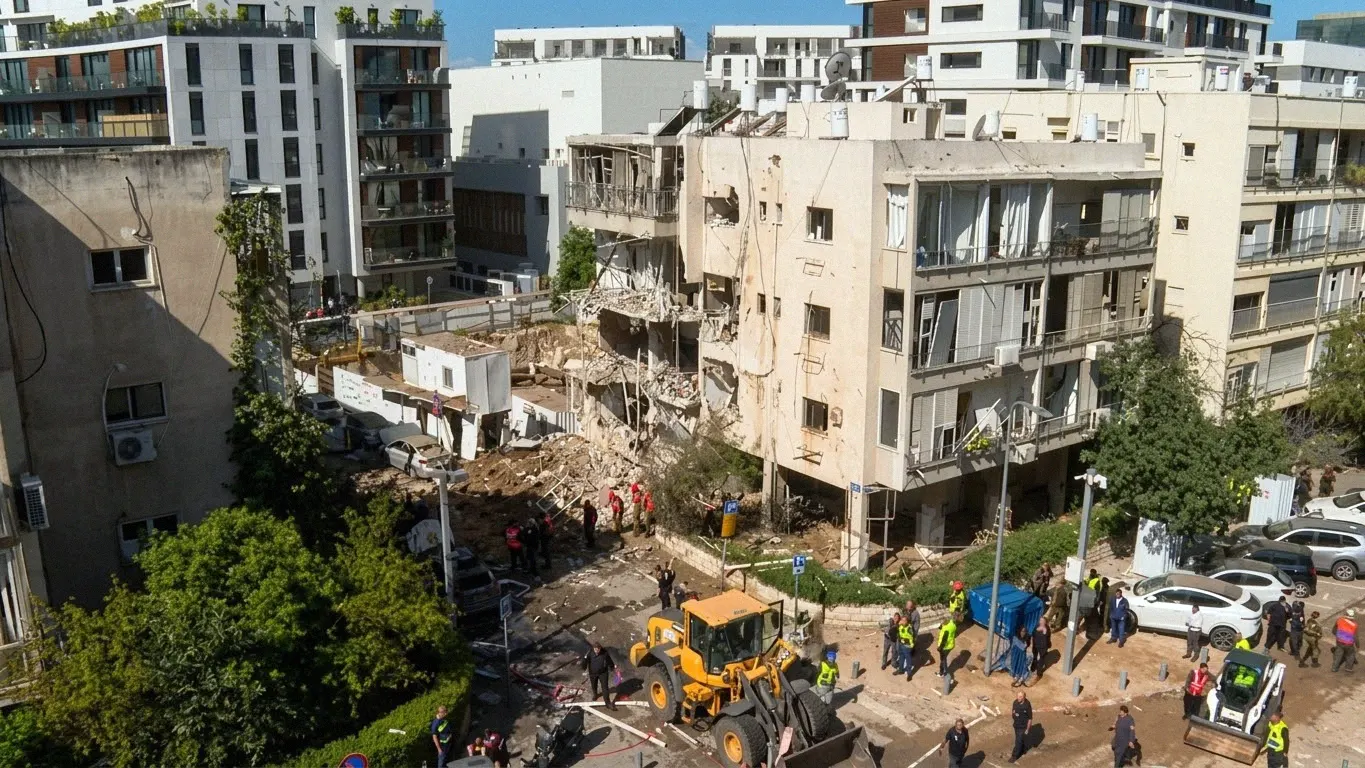
The latest escalation came on Tuesday, March 24, when an Iranian missile struck a residential neighborhood in northern Tel Aviv.
The weapon was not ordinary. Reports indicate it was a cluster munition carrying multiple warheads, each with significant explosive force. The result was devastating:
- A residential building’s facade was torn open
- Multiple nearby structures were damaged by blast waves and shrapnel
- A large crater marked the impact site
Despite the destruction, casualties were relatively limited. Only a handful of injuries were reported, largely because residents had taken shelter in reinforced safe rooms, a standard feature in Israeli urban design.
However, the limited casualties should not obscure the significance. This was a direct hit on the heart of a major city, signaling a willingness to escalate beyond symbolic strikes.
A Wider Offensive: “Operation True Promise 4”
This attack was not isolated. It was part of a broader Iranian campaign known as “Operation True Promise 4.”
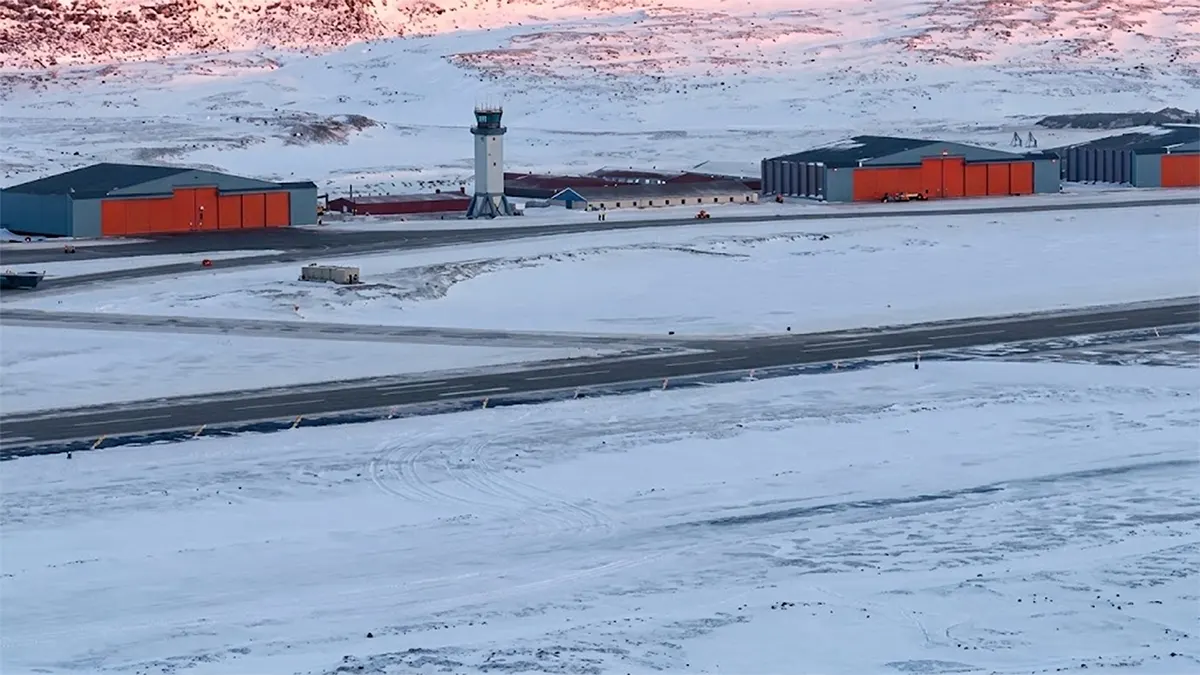
Across Israel, Sirens sounded across central Israel and near strategic sites, including areas close to the Dimona nuclear facility.
At the same time:
- Ballistic missiles and drones targeted multiple regions
- Neighboring countries like the UAE intercepted incoming threats
- The battlefield expanded beyond Israel’s borders
The scale of coordination suggests a deliberate escalation, not a one off retaliation.
The “5 Day Pause” Paradox
What makes this moment particularly volatile is the stark contradiction between diplomacy and reality on the ground.
The U.S. Position
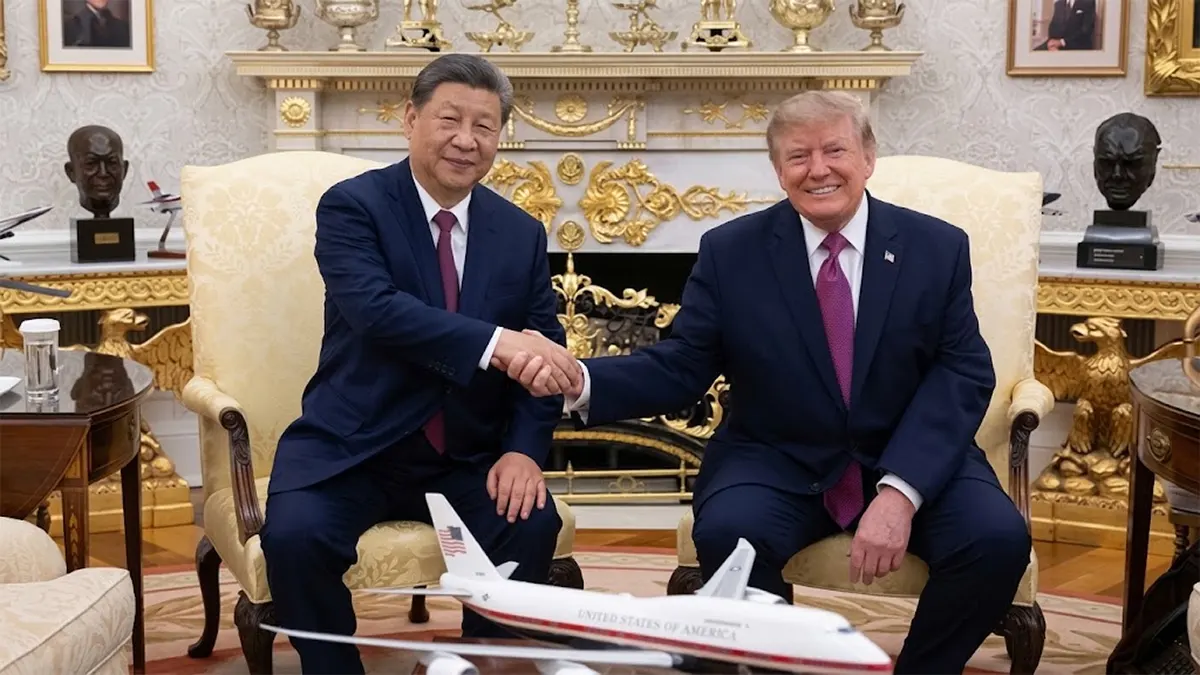
President Donald Trump announced a 5 day postponement of strikes on Iran’s energy infrastructure, presenting it as a window for negotiation.
He claimed:
- “Productive talks” were underway
- Progress had been made on multiple key issues, including nuclear concerns
- The pause could prevent a broader energy crisis
Markets reacted immediately, with oil prices dropping and stocks rising, a sign that investors believed de escalation was possible.
Iran’s Response
Tehran, however, has flatly rejected this narrative.
Senior officials, including Mohammad Bagher Ghalibaf, have called the claims:
- “Fake news”
- “Psychological operations” aimed at influencing markets
At the same time, Iran’s actions tell their own story. The missile barrage on Tel Aviv appears to be a direct, physical rejection of the idea that diplomacy is progressing.
A War of Narratives
This creates a dangerous situation:
- Washington signals de escalation
- Tehran signals escalation
- The battlefield reflects the latter
The result is a “mirror game” where diplomacy and military action are moving in opposite directions.
Israel’s Strategy: Escalation, Not Pause
Across the border, Israel is making it clear it will not follow the U.S. pause.
Prime Minister Benjamin Netanyahu has emphasized:
“There’s more to come.”
This is not just rhetoric. Israeli actions suggest a shift from containment to long term restructuring of the region.
The Litani River Objective
The most significant development is Israel’s move to establish a “security zone” in southern Lebanon up to the Litani River.
Key steps include:
- Destruction of major bridges to cut Hezbollah supply lines
- Expansion of military operations into border areas
- A “no return” policy for displaced residents until security is ensured
This marks a transition from temporary operations to a potentially permanent military footprint.
Continued Strikes Inside Iran
At the same time, Israeli forces have:
- Conducted wide scale strikes in Tehran
- Targeted IRGC headquarters and missile infrastructure
- Launched new retaliatory strikes following the Tel Aviv attack
In effect, Israel is escalating on multiple fronts simultaneously, Lebanon and Iran.
Global Fallout: Energy and Economic Shockwaves
Beyond the battlefield, the consequences are already global.
Energy Crisis Intensifies
- Oil prices have surged to around $104 per barrel
- The Strait of Hormuz remains effectively closed
- Nearly 20% of global oil supply is at risk
This is not just a regional issue, it directly affects fuel prices and inflation worldwide.
Regional Spillover
The conflict is expanding geographically:
- The UAE intercepted missiles and drones
- Tensions are rising across the Gulf
- Multiple countries are being pulled into defensive postures
The war is no longer contained, it is regionalizing rapidly.
Military Buildup: Preparing for What Comes Next
As the situation escalates, signs point to further military involvement.
Reports indicate the U.S. is preparing to deploy:
- 4,500 Marines
- Advanced aircraft, including F-35 fighter jets
This suggests contingency planning for a broader or prolonged conflict.
The Road Ahead: Key Flashpoints to Watch
Several critical questions now shape the trajectory of this crisis:
- Will the Strait of Hormuz reopen or remain a pressure point ?
- Can diplomacy regain credibility amid ongoing attacks ?
- Will Israel expand its ground operations in Lebanon ?
- Could this evolve into a prolonged regional war involving multiple states ?
Each of these factors carries global consequences.
The Reality Behind the Headlines
The events of March 24 mark a turning point.
A supposed diplomatic pause has been overtaken by real-world escalation.
The contradiction between words and actions is now stark:
- Diplomacy suggests de escalation
- Missiles and strikes suggest the opposite
In reality, the conflict is intensifying militarily, politically, and economically.
For the world, this means one thing:
The risk is no longer just war, it is a wider, more unpredictable regional crisis with global consequences.