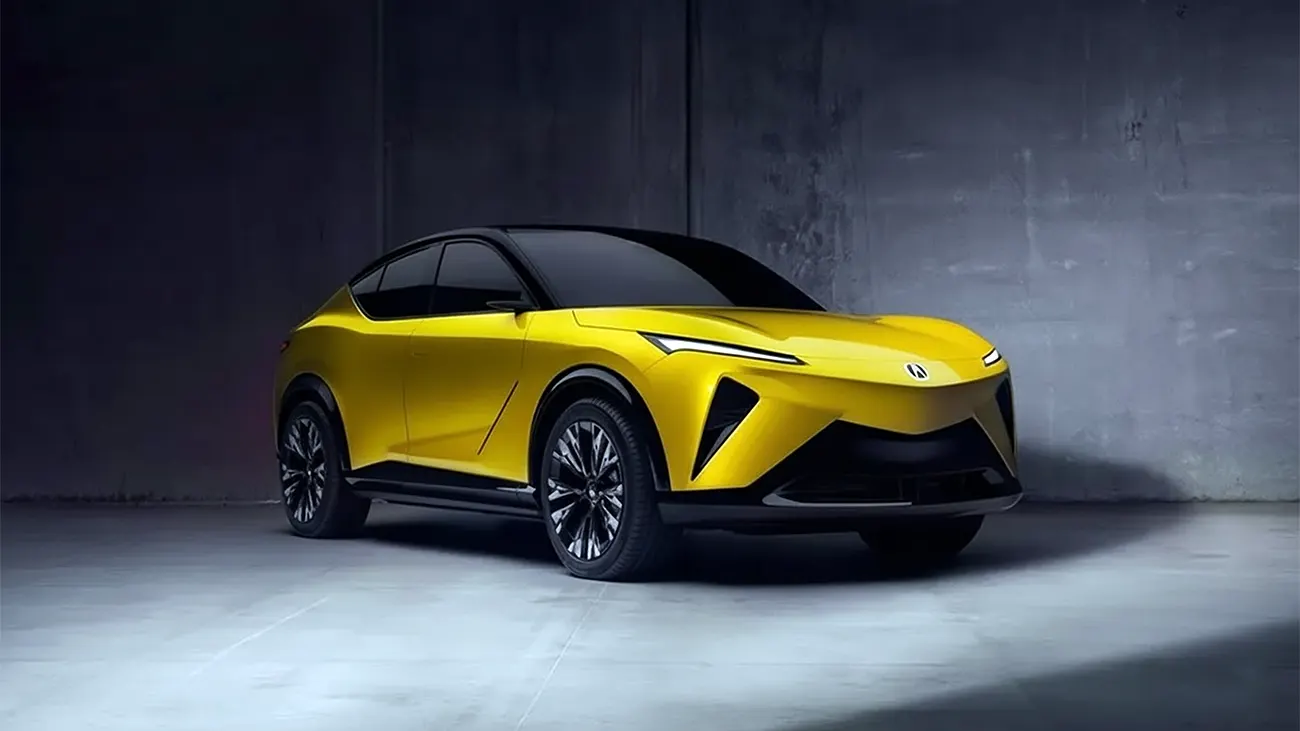
Honda has made a dramatic decision that could reshape its future in the electric vehicle race. The company has cancelled several flagship
EV projects and warned of massive financial losses as it rethinks its strategy.
The Japanese automaker says the move is part of a broader “reset”
of its North American electric vehicle plans. Instead of rushing deeper into the EV market, Honda will now focus more heavily on hybrids while taking a slower, more flexible approach to battery electric cars.
The shift reflects a changing reality across the global auto industry: electric vehicle demand is growing but not as quickly or evenly as companies once expected.
Honda Cancels Three Major EV Models
At the center of the announcement is the cancellation of three high profile vehicles.
Honda has officially scrapped:
- Honda 0 SUV
- Honda 0 Saloon
- Acura RSX
These vehicles were meant to launch on Honda’s new in house “Zero”
EV platform, a system the company had planned to use for a new generation of electric cars.
By cancelling these projects, Honda is effectively shutting down
the first wave of its planned “0 Series” EV lineup for North America.
The cancellation of the Acura RSX has attracted particular attention among car enthusiasts. The model was intended as a revival of Acura’s legendary RSX nameplate, redesigned as a sporty electric crossover. Many fans had viewed it as a performance focused alternative to Acura’s existing electric SUV, the ZDX.
However, Honda is not exiting the EV market completely. Two existing electric models remain in production: the Honda Prologue and the Acura ZDX.
Both vehicles were developed through a partnership with General Motors using its Ultium battery platform. For now, they remain in Honda’s lineup although their long term future is considered uncertain given the company’s new strategic shift.
A Massive Financial Hit
The financial consequences of this decision are significant.
Honda estimates that total losses from canceled projects, asset write downs, and restructuring costs could reach as much as ¥2.5 trillion (about $15.7 billion USD).
Because of these costs, the company has drastically revised its financial outlook.
For the fiscal year ending March 31, 2026, Honda now expects:
- A consolidated net loss between ¥420 billion and ¥690 billion
That represents a stunning reversal from the company’s earlier forecast of a ¥300 billion profit.
Even more notable, this marks the first time Honda has faced a group net loss since it began disclosing consolidated earnings in 1977.
For a company known for steady financial performance, this moment represents one of the most significant financial setbacks in its modern history.
Executive Pay Cuts Signal Accountability
Alongside the financial announcement, Honda leadership has taken steps to demonstrate accountability.
CEO Toshihiro Mibe and the company’s executive vice president will voluntarily return 30% of their monthly compensation for three months.
Meanwhile, other senior executives will take a 20% pay cut during the same period.
While the gesture will not materially offset the billions in projected losses, it sends a signal to investors and employees that leadership is taking responsibility for the company’s strategic reset.
Why Honda Is Changing Course
Honda says the decision wasn’t triggered by a single issue. Instead, the company described a “perfect storm” of market challenges that forced it to rethink its EV strategy.
Several key forces are reshaping the industry.
1. Policy Changes in the United States
One major factor is the changing political and regulatory environment.
The easing of fossil fuel regulations and the reduction or removal of EV tax incentives in parts of the United States have cooled consumer demand for electric vehicles.
Because North America is one of Honda’s most important markets,
this shift directly affects the company’s long term plans.
When incentives disappear, EVs often become more expensive compared to gasoline or hybrid vehicles, making it harder for manufacturers to maintain sales momentum.
2. Tariffs and Trade Pressures
Trade policy is also creating new challenges.
Changes in U.S. tariff policies have increased pressure on Honda’s gasoline and hybrid business, which still generates the majority of its revenue.
As costs rise, it becomes more difficult for Honda to fund large scale EV development programs while maintaining profitability.
3. Intense Competition in China
China presents another problem.
The world’s largest EV market has shifted toward “software defined vehicles” (SDVs) cars that emphasize digital features such as:
- advanced AI driver assistance systems
- fast software updates
- deep integration with smartphone ecosystems
Meanwhile, Honda’s traditional strengths have focused on hardware engineering, reliability, and fuel efficiency.
Because of this shift, Honda admitted it has struggled to match
the speed and innovation of local Chinese EV manufacturers.
Honda’s New Strategy: A Hybrid First Future
Instead of abandoning electrification entirely, Honda says it is “rebalancing” its investments.
The company plans to redirect a large portion of its resources toward
next generation hybrid vehicles (HEVs).
This represents a fundamental shift in strategy.
Honda believes hybrids offer the best balance of performance, fuel efficiency, and affordability for many consumers through the late 2020s.
Because of this, the company is doubling down on hybrid technology.
The Technology Behind Honda’s Hybrid Push
Honda’s hybrid strategy is not simply about producing more hybrid vehicles. The company is redesigning its engineering and manufacturing approach around three key ideas.
1. A New Hybrid Platform
Honda is building a modular vehicle platform specifically designed for hybrids.
This new architecture will be lighter, more rigid, and cheaper to produce, helping the company improve efficiency while reducing manufacturing costs.
In practical terms, the goal is to build better vehicles while spending less money per unit.
2. Shared Parts Across Vehicles
Another key initiative involves standardizing components across models.
Honda aims to achieve more than 60% parts commonality across vehicles using the new hybrid platform.
That means different cars such as crossovers, SUVs, and sedans can share many of the same components.
This dramatically lowers production costs and allows Honda to scale its hybrid lineup more quickly.
3. Focus on Larger Vehicles
Honda also sees a profitable opportunity in larger vehicles.
The company says there is strong demand for large hybrid SUVs and trucks, particularly in the North American market.
These vehicles typically generate higher profit margins, and Honda hopes to expand its presence in this lucrative segment.
The “Bridge Strategy” Toward the Electric Future
Honda describes its hybrid pivot as a bridge strategy.
The company still believes electric vehicles will eventually dominate the market. However, the EV transition is happening more slowly than originally predicted.
By focusing on advanced hybrids today, Honda aims to create a strong stream of profits while continuing to invest in future EV and hydrogen technologies.
In effect, hybrids become the financial engine that supports the company’s long term innovation.
What This Means for Honda’s Future
Honda’s announcement marks a pivotal moment for one of the world’s largest automakers.
The company is not abandoning electric vehicles but it is pressing the reset button on its North American EV strategy.
Here are the key points:
- Honda has cancelled three major EV projects, including
the Honda 0 SUV, 0 Saloon, and Acura RSX. - The move could result in losses of up to $15.7 billion.
- Honda may record its first group net loss since it began disclosing consolidated earnings in 1977.
- Company executives, including CEO Toshihiro Mibe, will take temporary pay cuts to signal accountability.
- Honda is doubling down on next generation hybrid vehicles while slowing its EV expansion.
Ultimately, the company’s message is clear.
The electric future is still coming but Honda believes hybrids are
the most practical path to get there.