The India-AI Impact Summit 2026 erupted into New Delhi today, February 16, at the Bharat Mandapam, transforming the city into the global stage for AI. This is the first major summit of its kind in the Global South, and the message is unmistakable: India is not just participating in the AI race, it is competing to lead.
Unlike previous gatherings in the UK or Korea, which emphasized AI safety and abstract risk, New Delhi is pivoting to impact first AI, with a sharp focus on People, Planet, and Progress.
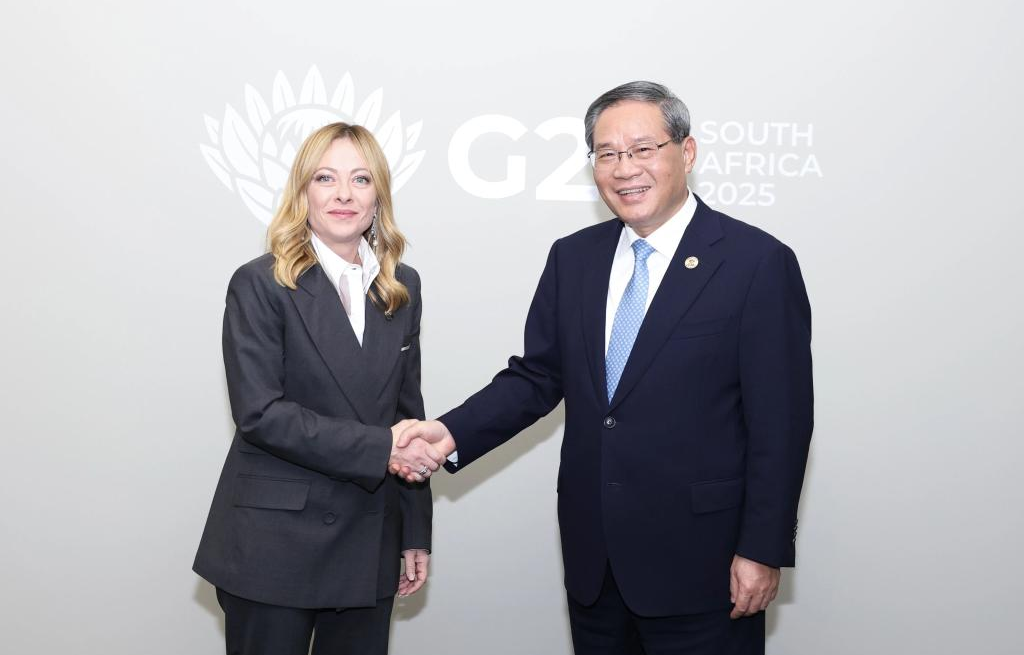
A Gathering of Global Power
The summit has drawn a striking mix of political and technological clout:
- World Leaders: 20 heads of state, including Emmanuel Macron (France) and Luiz Inácio Lula da Silva (Brazil), along with delegations from over 45 countries.
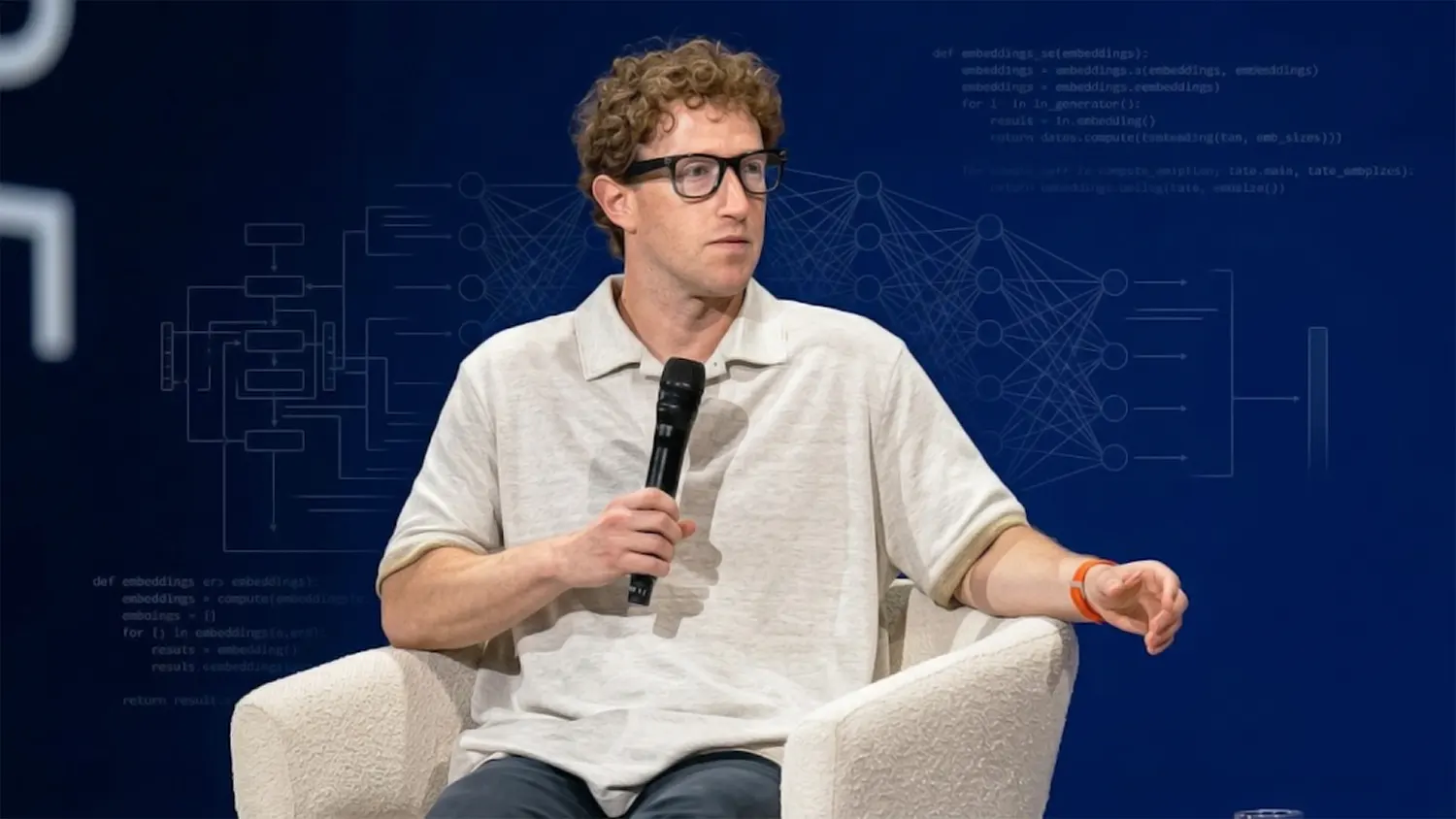
- Tech Titans: CEOs such as Sundar Pichai (Google), Sam Altman (OpenAI), Dario Amodei (Anthropic), and Demis Hassabis (DeepMind). Jensen Huang (Nvidia) withdrew personally, but his company remains a headline player.
- Investment Ambitions: India is aiming for $100 billion in commitments over five days.
The message to the world is direct: AI sovereignty matters.
Why Now: The Economic Context
This summit isn’t happening in isolation. Just last month, the Union Budget 2026 doubled down on Semiconductor Mission 2.0, signaling India’s intent to dominate the chip supply chain. The summit’s timing underscores that policy, investment, and AI strategy are converging now, turning India into a magnet for both talent and capital.
Sectoral Focus: Health, Defense, Climate, Computing
India is emphasizing actionable AI, not just lofty promises:
- Healthcare: Launch of the HealthAI Navigator, integrating AI into hospitals and medical imaging.
- Defense & Security: AI infrastructure and cyber resilience initiatives.
- Climate & Agriculture: Lightweight AI for monsoon forecasting, flood modeling, and pest diagnosis.
- Computing: Massive GPU cluster expansions by Nvidia and Yotta Data Services, cementing local processing.
Impact line: India is transforming data into national strength.
Big Tech Meets the “India Stack”
India generates nearly 20% of global data. For tech CEOs, it’s a treasure trove. For the government, it’s a national asset.
- Sam Altman (OpenAI): Expanding India operations and exploring multilingual LLMs.
- Sundar Pichai (Google): Launching AI powered education platforms for rural schools.
- Dario Amodei (Anthropic): Challenging OpenAI with local leadership and partnerships.
- Demis Hassabis (DeepMind): Driving AI for science, protein folding, and monsoon modeling.
But not everyone is cheering. Local “AI nationalists” warn: don’t become a data colony.
Sovereign AI: India Builds Its Own Table
India is no longer asking for a seat at the table; it is building its own table. The government’s Sovereign AI push signals the end of the “move fast and break things” era of Western data scraping:
- Indigenous Models: Twelve foundation models trained on Indian languages and contexts reduce foreign dependence.
- AIKosh: A shared platform giving startups vetted datasets and subsidized compute.
- GPU Independence: Local processing capacity ensures India controls where and how its data is used.
Impact line: Data stays local. Power stays local.
Governance and Legal Frameworks
The summit also showcased India’s DPDP Act, making compliance non-negotiable:
- Strict data localization and purpose limitation rules.
- A proposed hybrid licensing model could require AI firms to share a portion of global revenue with local creators.
For global CEOs, this is a new reality: innovation must meet accountability.
The Gates Factor
The summit’s celebratory atmosphere faced a sharp reality check on the streets of New Delhi. Protests against Bill Gates highlighted discomfort with “philanthro capitalism,” fueled by recent DOJ file releases linking him to the Epstein scandal.
Critics also referenced Gates’ previous remark describing India as a “laboratory,” framing his involvement in AI driven healthcare as unchecked experimentation. Despite this, Gates met with Andhra Pradesh officials to discuss AI led healthcare reforms, and the government defended his presence, citing his long term contributions in sanitation and immunization.
Looking Ahead: Summit Highlights
- Feb 17: PM Modi and President Macron hold bilateral talks in Mumbai.
- Feb 19: Modi addresses the plenary and leads the “Tech CEOs” session.
- Feb 20: Summit concludes with the GPAI Council meeting, focused on democratizing access to computing power.
The message is clear: global tech firms are welcome, but sovereignty, domestic benefit, and ethical governance come first.
India is no longer a follower, it is shaping the AI world.