At the 62nd Munich Security Conference (MSC), held February 13–15, 2026, China moved to the center of the global security debate.
Led by Foreign Minister Wang Yi, Beijing positioned itself as a “stabilizing force” at a time when it argues the international order is being weakened by unilateral policies and growing geopolitical tension. The conference, one of the world’s most influential security forums, brought together leaders from Europe,
the United States, and across the Global South.
China’s message was clear: it wants to shape the next phase of the global order.
The “Stabilizer” Narrative
In his keynote address, Wang Yi promoted China’s Global Security Initiative (GSI), describing it as a rational and pragmatic alternative to what Beijing calls a fractured, U.S. led post 1945 system.
He emphasized three themes:
- Revitalizing the United Nations: Wang warned that without a strong UN centered system, the world risks returning to the “law of the jungle.”
- Opposition to “de risking”: He urged European leaders not to reduce economic ties with China, arguing that interdependence strengthens stability.
- True multilateralism: He criticized “America First” policies as unilateral and destabilizing.
China’s message to Europe was pointed but diplomatic:
Beijing should not be blamed for Europe’s economic or security challenges.
Friction with the United States and Japan
Despite warm language about “stable development,” tensions were evident during Wang Yi’s meeting with U.S. Secretary of State Marco Rubio.
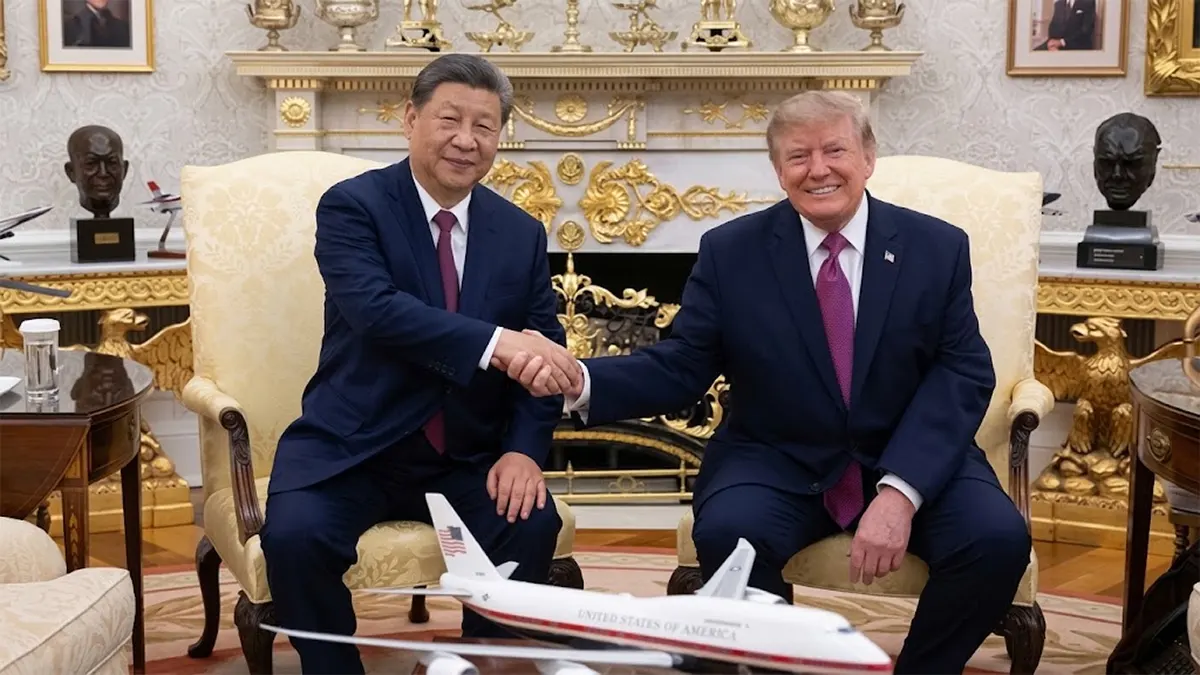
The meeting, held on February 13, lasted about an hour and was described by both sides as “constructive.” It sets the stage for President Donald Trump’s planned visit to Beijing in April.
Still, several red lines were clearly restated:
Taiwan
Wang warned against what he described as U.S. attempts to “instigate” Taiwan toward separation. He said such actions would lead to direct confrontation. Taiwan remains the most sensitive issue in U.S.–China relations.
Human Rights
Rubio raised concerns about the 20 year sentence of Hong Kong pro democracy figure Jimmy Lai, signaling that human rights will remain part of Washington’s agenda.
Japan
China also criticized Japanese Prime Minister Sanae Takaichi for remarks about a possible Taiwan contingency, accusing Japan of reviving “ghosts of militarism.” The language marked a sharp escalation in rhetoric.
China’s Strategic Outreach to Europe
A major focus of Beijing’s 2026 diplomacy is Europe.
Wang Yi met with leaders from France, Germany, and the United Kingdom, urging them to view China as a partner rather than a systemic rival. He emphasized that daily trade between China and the EU now exceeds $2 billion.
China’s message to Europe can be summarized in three points:
- Economic cooperation should not be sacrificed to geopolitical rivalry.
- Europe’s main challenge is not China, but instability in transatlantic relations.
- A “multipolar” world with less dominance by any single power is inevitable.
However, serious disagreements remain.
Points of Tension Between China and Europe
Despite diplomatic language, the structural tensions are significant.
Trade Disputes
The European Union is investigating Chinese electric vehicle exports for unfair subsidies. In response, China has imposed tariffs on European goods, including dairy, pork, and cognac.
Ukraine
European leaders pressed China on its continued export of dual use goods to Russia. While Beijing insists it is neutral, European governments view these exports as indirectly supporting Moscow’s war effort.
Supply Chain Security
The EU continues to pursue “de risking” strategies to reduce dependence on Chinese critical materials such as lithium and rare earths. China has publicly criticized this approach as a “negative mindset.”
The “China Track” and Extended Presence
China’s presence at Munich this year was longer and more visible than usual.
Wang Yi arrived on February 12, participating in pre conference “China Track” events and private dinners, including
the MSC-MERICS China Dinner. Chinese scholars and delegates were present in record numbers.
This extended engagement reflects Beijing’s strategy:
present China as stable and predictable, particularly compared to what it describes as volatility in the transatlantic alliance.
A Broader Strategy: The Global South
Beyond Europe and the United States, China positioned itself as a champion of the Global South.
Wang emphasized development financing, debt relief, and technological access, issues that resonated strongly at this year’s conference. Beijing’s pitch is that it offers transactional stability: open markets and cooperation, provided its “core interests” are respected.
A High Stakes Year Ahead
The Munich meetings serve as groundwork for several major developments in 2026:
- President Trump’s planned trip to Beijing in April
- Upcoming trade talks between senior U.S. and Chinese officials
- Continued EU deliberations on tariffs and industrial policy
Markets reacted cautiously but positively. The offshore Chinese yuan strengthened following news of the Rubio–Wang meeting, suggesting investors are watching closely for signs of stability.
Stability or Strategic Competition ?
The 2026 Munich Security Conference highlighted a world in transition.
China is actively presenting itself as a stabilizing force in a fragmented global order. The United States continues to defend its alliances while managing strategic competition.
Europe remains caught between economic interdependence with China and security reliance on Washington.
Whether Beijing’s message of “true multilateralism” gains traction will depend not only on speeches in Munich but on policy decisions in Washington, Brussels, and Beijing in the months ahead.
The next phase of global diplomacy is already underway.