RABAT, Morocco — Morocco is facing a wave of youth-led protests as demonstrators call for stronger action against corruption, improved public services, and a reassessment of government spending priorities.
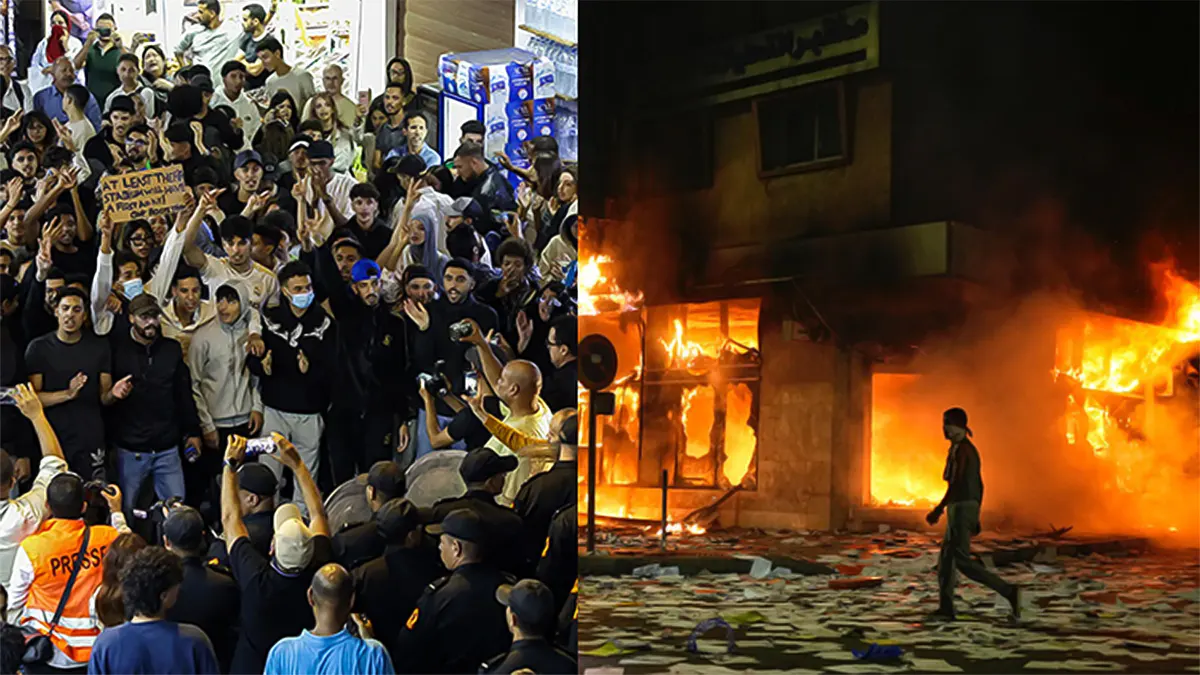
The protests, which have spread across multiple cities, have entered their second week and become one of the most significant public movements the country has seen in recent years. According to local reports and human rights organizations, three people have died and hundreds more have been injured during clashes linked to the demonstrations.
Frustration Builds Over Spending Priorities
At the center of the unrest is growing anger over the government’s investment in major sporting events, including preparations for the 2025 Africa Cup of Nations and the 2030 FIFA World Cup.
Many young Moroccans argue that while billions of dollars are being directed toward stadiums and infrastructure projects, essential public services such as healthcare, education, and local community programs continue to struggle with limited funding.
The protests have largely been organized and promoted by GenZ 212, an anonymous digital activist collective that has gained significant attention on social media platforms.
One slogan has become a rallying cry for demonstrators across the country:
“Stadiums are here, but where are the hospitals?”
The phrase reflects broader concerns about living standards, public services, and economic opportunities for Morocco’s younger generation.
Hospital Tragedy Fuels Public Anger
Public frustration intensified following reports of a tragic incident in Agadir, where eight women reportedly died in an under-resourced public hospital.
The incident quickly became a symbol of what many protesters see as years of underinvestment in critical services.
Activists and community leaders have cited the tragedy as evidence that healthcare reform should be prioritized alongside major development projects.
As the story spread online, calls for accountability and government action grew louder, helping expand the protest movement into additional cities.
Deadly Clashes Raise Tensions
Although organizers have consistently called for peaceful demonstrations, several protests have turned violent.
The most serious confrontation occurred in Leqliaa, near Agadir, where three protesters were killed during clashes involving security forces.
Morocco’s Interior Ministry said officers acted in self-defense after demonstrators allegedly attempted to storm a police station. However, human rights organizations have questioned that account and are calling for an independent investigation into the deaths.
Authorities have also reported damage to public property, including burned vehicles, vandalized government buildings, and looted financial institutions.
Meanwhile, the Moroccan Association for Human Rights estimates that more than 1,000 people have been arrested since the protests began, with many facing charges related to public disorder.
Government Promises Dialogue and Reform
Prime Minister Aziz Akhannouch expressed regret over the loss of life and pledged to engage with youth representatives.
The government has announced plans to introduce reforms, including measures aimed at improving Morocco’s healthcare system.
However, officials reject claims that spending on international sporting events has come at the expense of hospitals, schools, or other public services.
The government’s response has done little to quiet criticism from protesters, many of whom continue to demand concrete action rather than promises.
International Attention Focuses on Morocco
The demonstrations have also drawn international scrutiny.
The United Nations Secretary-General has urged Moroccan authorities to respect human rights and ensure that protesters are treated fairly under the law.
International observers are closely watching how the government responds as tensions continue to rise.
The growing attention reflects concerns that prolonged unrest could deepen political divisions and further erode public trust in institutions.
A Critical Test for Morocco’s Future
Political analysts view the protests as a defining moment for Morocco’s younger generation.
With youth unemployment remaining a major concern and many citizens expressing frustration with economic conditions, the demonstrations highlight deeper challenges facing the country.
As protests continue to spread across more than a dozen cities, pressure is mounting on leaders to deliver meaningful reforms that address public concerns.
Whether dialogue leads to lasting change may determine not only the future of the protest movement but also the relationship between Morocco’s government and a generation increasingly demanding accountability, opportunity, and investment in essential public services.