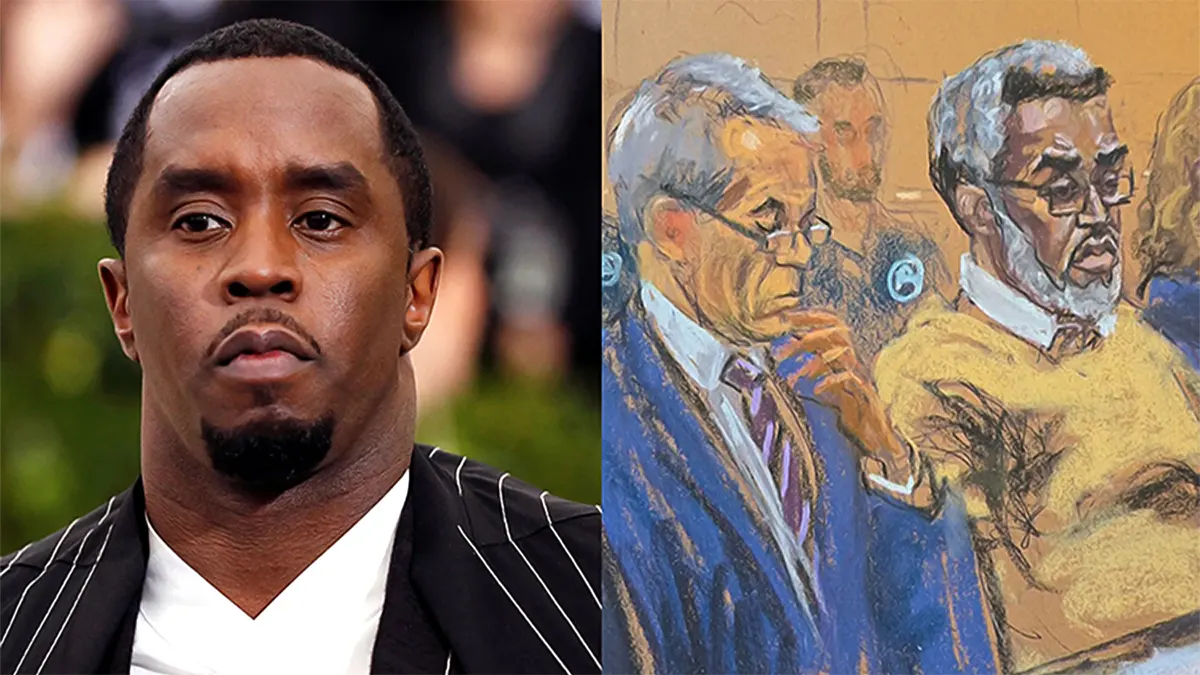
For years, Sean “Diddy” Combs stood as one of the most influential figures in entertainment. From building a music empire to shaping pop culture, he became a symbol of success, wealth, and ambition.
But in a New York federal courtroom, that legacy faced one of its biggest challenges yet.
The music mogul was sentenced to four years and two months in prison after being convicted of violating the Mann Act, a federal law that prohibits transporting individuals across state lines for illegal sexual activity.
Alongside the prison sentence, Combs was ordered to pay a $500,000 fine and will face five years of supervised release after completing his term.
A Verdict That Delivered Mixed Outcomes
The case centered on allegations that Combs arranged and financed travel for multiple individuals to participate in what prosecutors described as illegal sexual encounters.
After hearing weeks of testimony and evidence, the jury found him guilty on those charges.
However, the outcome was not a complete victory for prosecutors. Combs was acquitted of more serious accusations, including sex trafficking and racketeering conspiracy charges, offenses that carried the possibility of a much longer sentence.
The verdict created a nuanced legal outcome. While jurors rejected claims that Combs operated a broader criminal enterprise, they concluded that he played a direct role in organizing illegal activity.
Emotional Testimony During Sentencing
The sentencing hearing became one of the most closely watched moments of the case.
Addressing the court, Combs expressed regret over his actions and acknowledged the damage they caused. He described his behavior as unacceptable and attributed many of his decisions to years of substance abuse and poor judgment.
Despite those statements, the court emphasized accountability.
Judge Arun Subramanian noted that wealth, influence, and celebrity status do not place individuals above the law. The judge also acknowledged the testimony of those who came forward during the proceedings, underscoring the significance of their participation in the case.
The exchange highlighted one of the central themes of the trial: the relationship between power and responsibility.
Why the Mann Act Remains Relevant Today
Although the Mann Act was first enacted in 1910, it continues to play a role in modern federal prosecutions.
Originally created to combat human exploitation and trafficking, the law has evolved over the decades and has been applied in a variety of cases involving interstate transportation linked to illegal sexual activity.
The Combs case has renewed public attention on the statute and its broad legal reach.
Prosecutors argued that influence, money, and control can shape situations in ways that raise serious legal concerns, even when the circumstances appear more complicated than traditional trafficking cases.
The verdict demonstrates how federal authorities continue to use long-standing laws to address modern allegations involving celebrity figures and powerful public personalities.
What Happens After Prison?
Combs has already spent more than a year in custody following his arrest, meaning a portion of his sentence has already been served.
Assuming standard sentence reductions for good behavior, he could spend significantly less time behind bars than the original sentence suggests.
His legal team has indicated that an appeal may be pursued, arguing that the law was incorrectly applied in this case.
While the legal battle may continue, the public impact of the trial is likely to remain long after court proceedings conclude.
A Case That Reached Beyond the Music Industry
The case has sparked wider conversations about celebrity accountability, power dynamics, and personal responsibility.
For supporters, it represents the downfall of a cultural icon who helped shape generations of music and entertainment.
For critics, it serves as evidence that fame and influence should not shield individuals from legal consequences.
More broadly, the case reflects changing public attitudes toward how powerful figures are judged when allegations of misconduct emerge.
The Legacy Question Still Unanswered
The sentence marks a major turning point in Sean “Diddy” Combs’s life and career.
What once appeared to be a story defined by business success, chart-topping music, and cultural influence is now intertwined with one of the most high-profile legal cases involving an entertainment figure in recent years.
Whether his legacy ultimately centers on redemption, accountability, or controversy remains uncertain.
What is clear is that the case has become part of a larger conversation about power, responsibility, and the limits of celebrity influence in modern society.