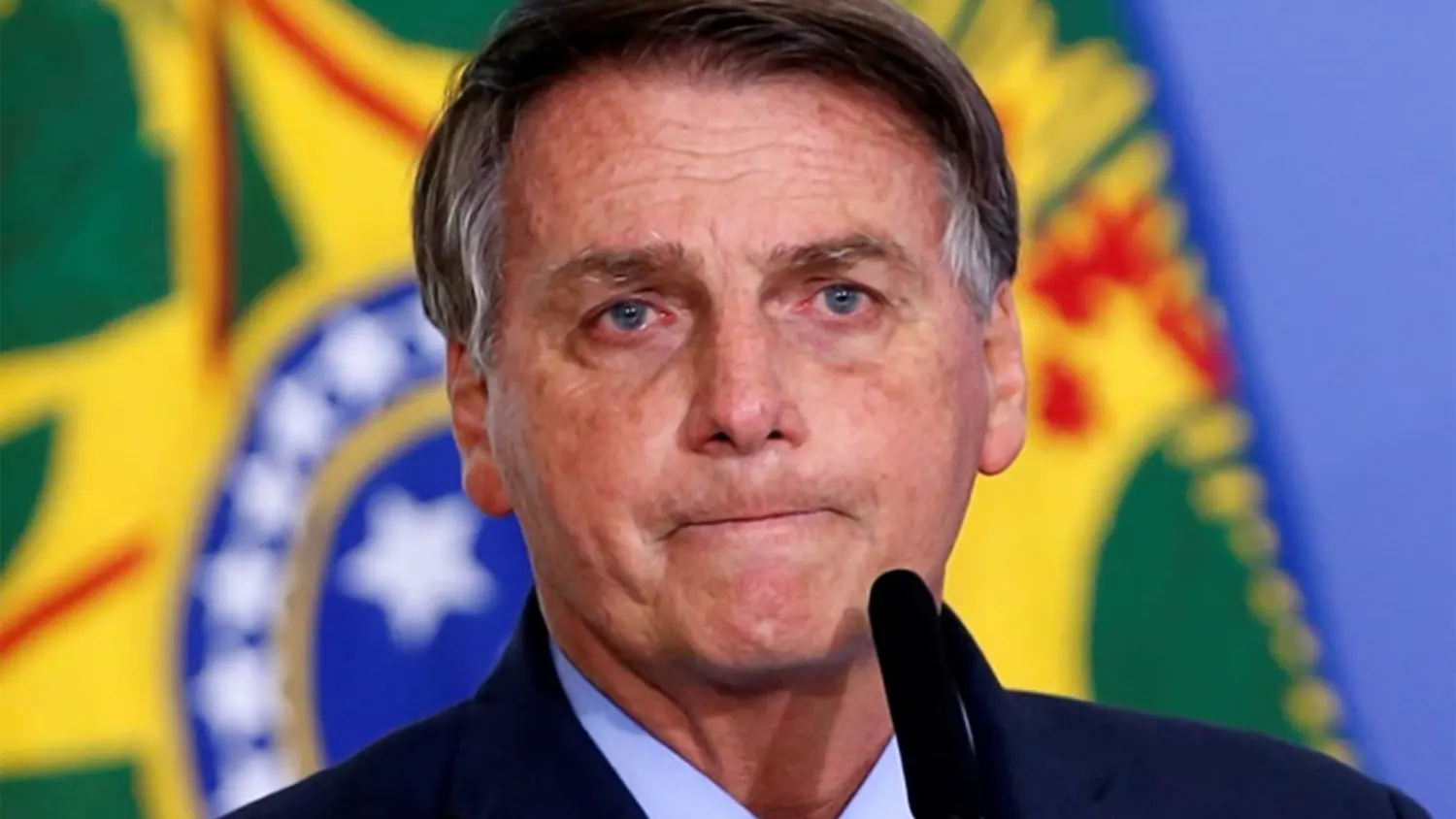
Jair Bolsonaro has been sentenced to 27 years and three months in prison after Brazil’s Supreme Court found him guilty of attempting to undermine the country’s democracy following the 2022 presidential election.
The landmark ruling marks the first time in Brazil’s history that a former president has been criminally convicted for actions tied to an alleged attempt to overturn democratic rule.
The decision is already being described as one of the most important legal and political moments in modern Brazilian history.
Supreme Court Finds Bolsonaro Guilty on Multiple Charges
A panel of Supreme Court justices convicted Bolsonaro on five major charges connected to efforts to overturn the results of the 2022 election, which he lost to current President Luiz Inácio Lula da Silva.
The charges included:
- Attempting a coup d’état
- Membership in an armed criminal organization
- Inciting attacks against democratic institutions
- Threatening national security
- Conspiring against Brazil’s constitutional order
According to prosecutors, Bolsonaro led a coordinated effort to weaken public trust in Brazil’s democratic system and remain in power after losing the election.
Prosecutors Described a Coordinated Effort to Overturn the Election
Federal investigators argued that the alleged campaign began well before the election results were finalized.
The prosecution presented evidence claiming Bolsonaro and close allies spread false information about Brazil’s electronic voting system while privately discussing extraordinary measures to challenge the election outcome.
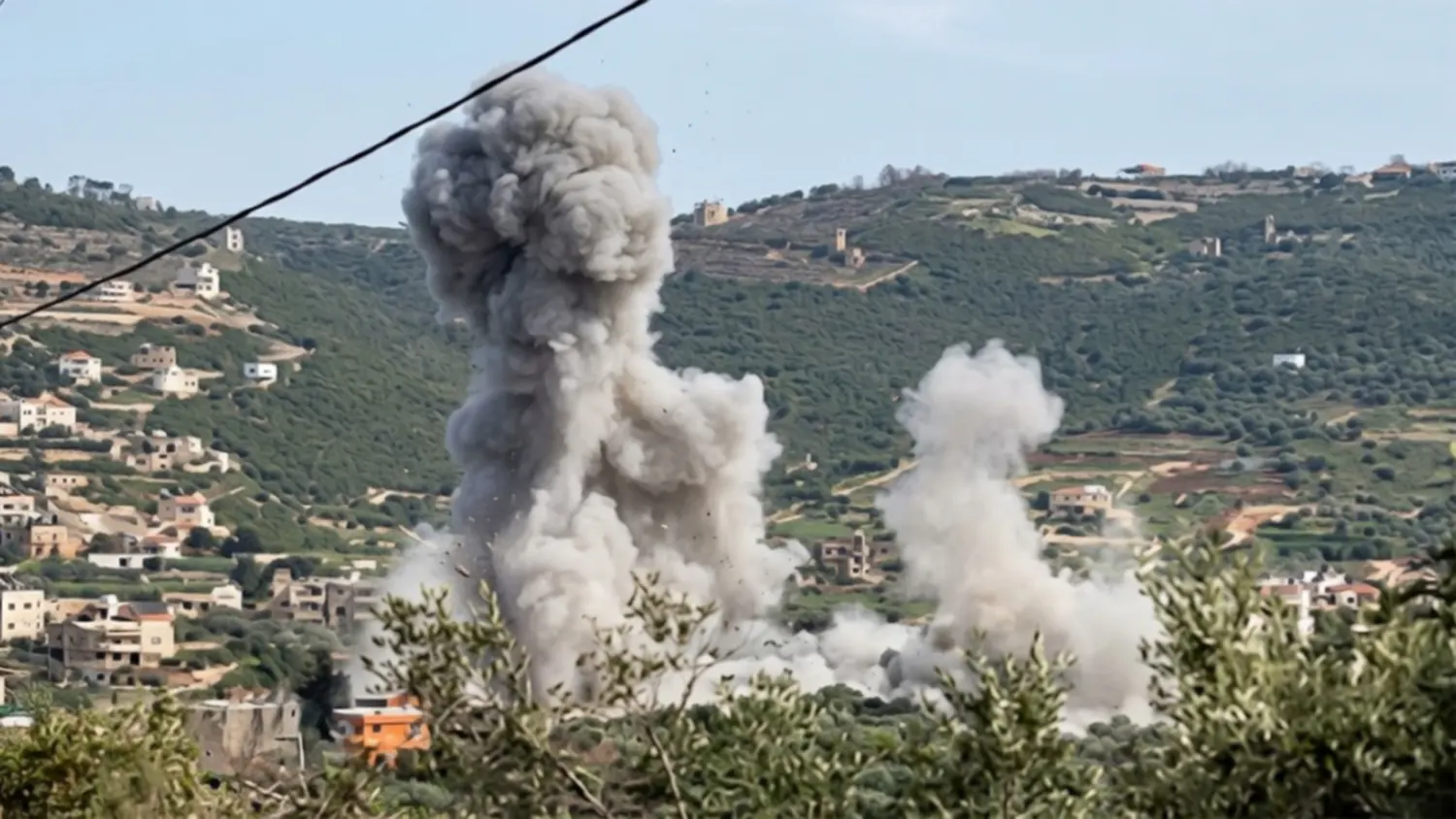
Investigators also linked Bolsonaro’s rhetoric to the January 8, 2023 riots in Brasília, when thousands of his supporters stormed government buildings including Congress, the Supreme Court, and the presidential palace.
Prosecutors described the unrest as part of a broader strategy designed to destabilize Brazil’s democratic institutions and pressure the military to intervene.
The investigation also reportedly included allegations of discussions involving threats against political leaders and plans to disrupt the transfer of power.
Supreme Court Delivers Strong Message on Democracy
The ruling was approved in a 4–1 decision by the Supreme Court panel overseeing the case.
In the majority opinion, Justice Camila Mendes reportedly declared that no political figure is above Brazil’s Constitution.
The court framed the verdict as a defense of democratic institutions and a warning against future attempts to challenge constitutional rule through force or political intimidation.
While one justice raised procedural concerns, the majority agreed that the evidence against Bolsonaro was substantial.
Bolsonaro Remains Under House Arrest During Appeal
Despite the sentence, Bolsonaro will not immediately begin serving prison time.
The former president is currently under house arrest in Brasília while his legal team prepares an appeal.
Bolsonaro has strongly denied all accusations and claims the case is politically motivated.
His supporters have accused the judiciary of targeting conservative political movements, while critics argue the ruling demonstrates that democratic systems can hold powerful leaders accountable.
Legal experts say the appeals process could take months, although many constitutional analysts believe the conviction is unlikely to be overturned.
Donald Trump Criticizes the Verdict
The case has also created international political tension.
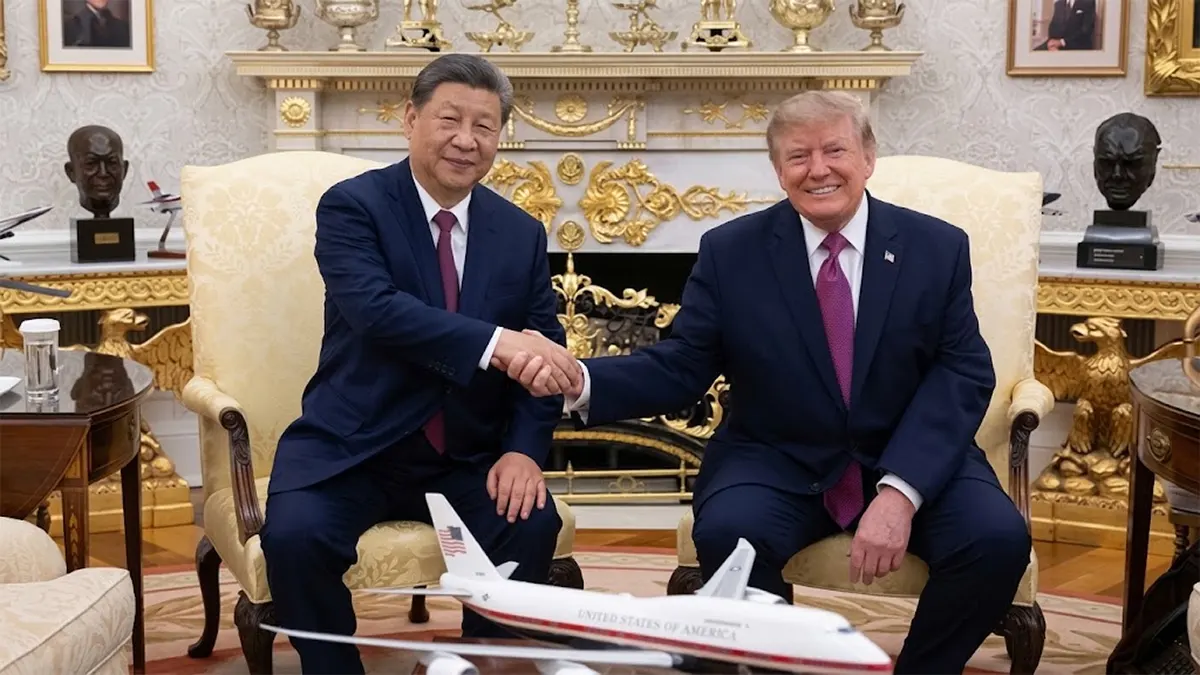
Donald Trump publicly criticized the ruling, calling it a “witch hunt” against a political ally.
The reaction reportedly intensified diplomatic friction between Brazil and the United States.
Brazilian officials condemned outside political pressure and defended the independence of the country’s judiciary.
The controversy adds another layer of tension to already complex international political dynamics ahead of future elections in both countries.
Public Opinion in Brazil Remains Deeply Divided
The ruling has sharply divided Brazilian society.
Supporters of President Lula celebrated the conviction as a historic victory for democracy and accountability.
Meanwhile, Bolsonaro continues to maintain strong support among conservative voters, parts of the agribusiness sector, and some military-linked groups.
Demonstrations both supporting and opposing the ruling erupted in major cities including:
- São Paulo
- Rio de Janeiro
- Recife
Authorities increased security around government institutions amid concerns about possible unrest.
A Historic Moment for Brazil’s Democracy
Brazil’s political history has long been shaped by military influence, political instability, and past authoritarian rule.
Many analysts view Bolsonaro’s conviction as a defining moment that reinforces the strength of democratic institutions in the country.
For supporters of the ruling, the sentence demonstrates that even former presidents can be held legally accountable for actions seen as threats to democracy.
Critics, however, warn the case could deepen political polarization in an already divided nation.
Regardless of political opinion, the verdict marks a historic chapter in Brazil’s modern political era and could shape the country’s future for years to come.