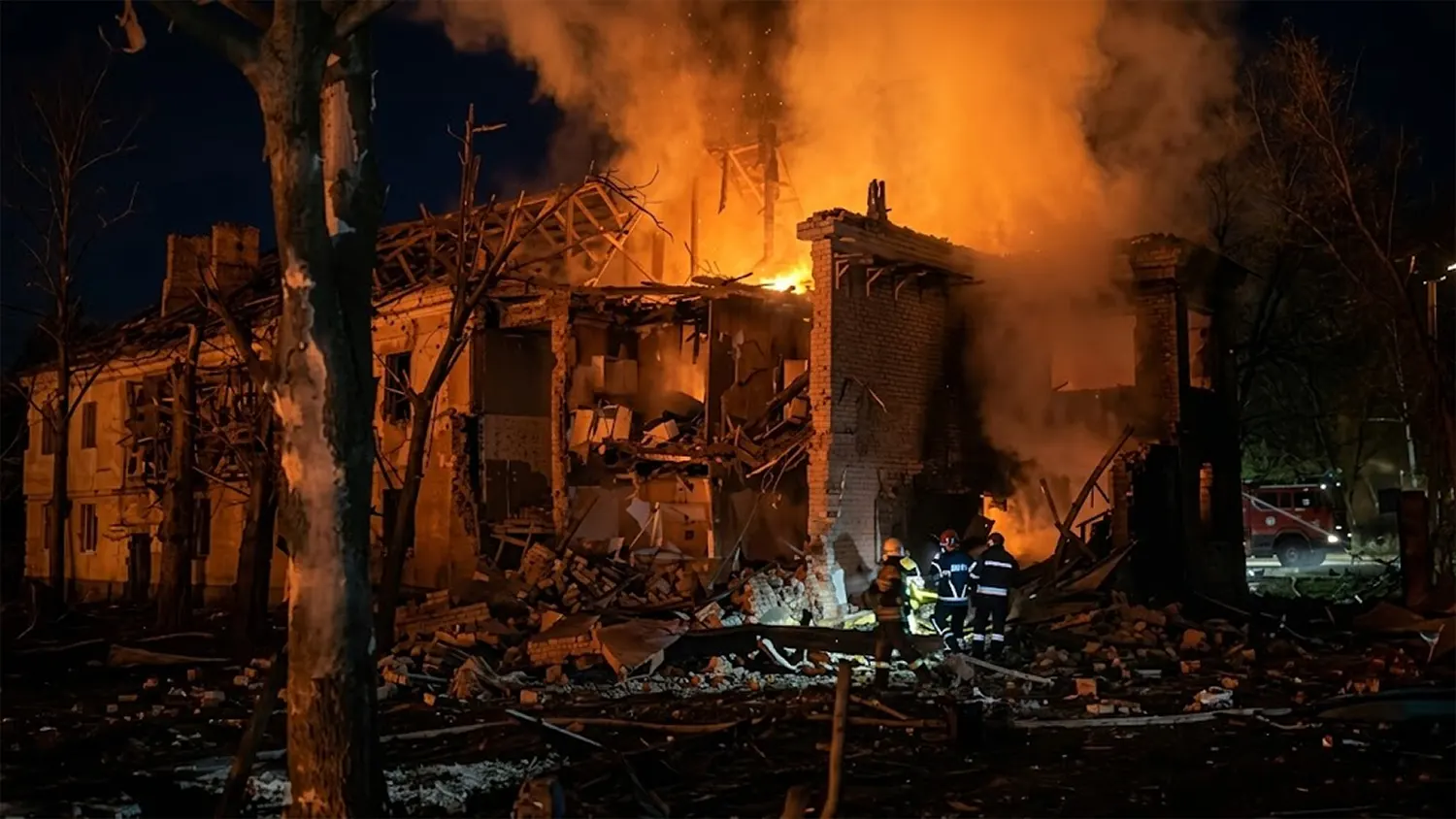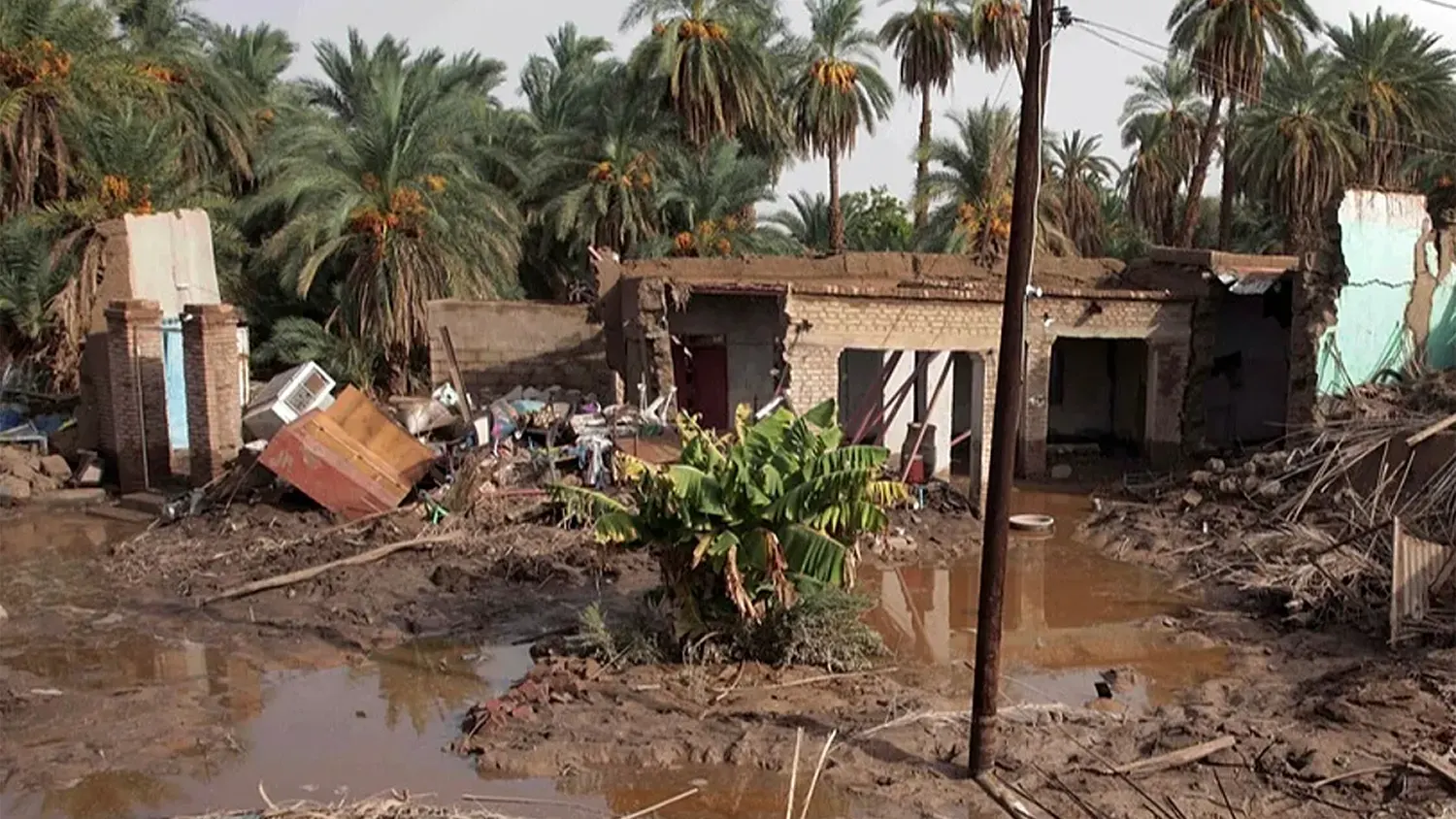
A landslide has wiped an entire community off the map in Sudan’s Darfur region and getting help to the survivors may be just as deadly as the disaster itself.
The village of Tarasin, nestled in the remote Marra Mountains of western Darfur, was completely buried on Sunday after days of relentless rainfall loosened the hillside soil above it. According to the Sudan Liberation Movement/Army (SLM/A), the rebel group that controls the area more than 1,000 people were killed. Only one survivor has been pulled from the rubble.
“The village has been leveled to the ground,” SLM/A officials said in a statement, calling on the United Nations and international aid agencies to step in immediately.
When an Entire Village Simply Disappears
The scale of what happened in Tarasin is difficult to grasp. This wasn’t a partial collapse or a damaged neighborhood, the entire village was gone.
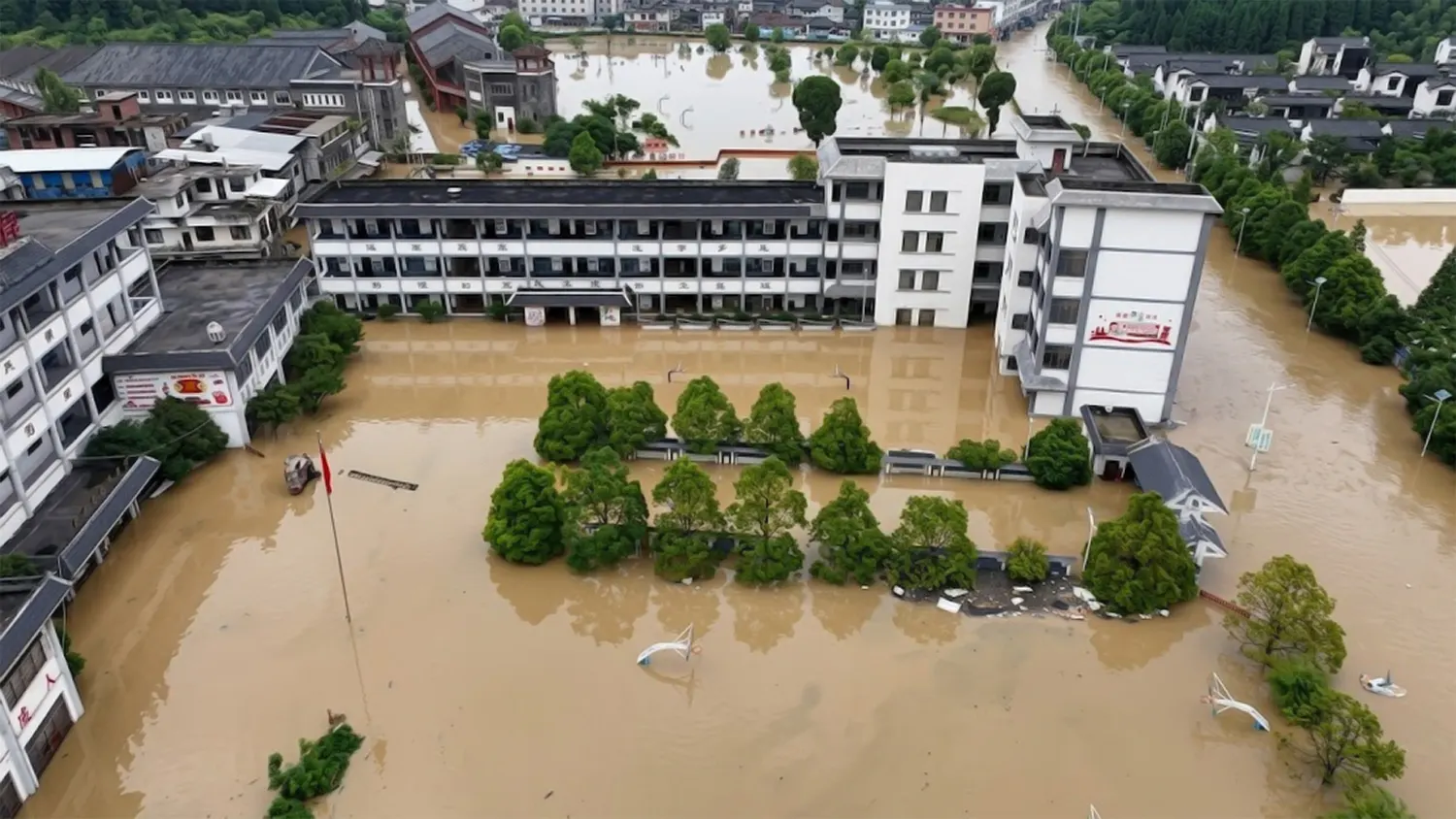
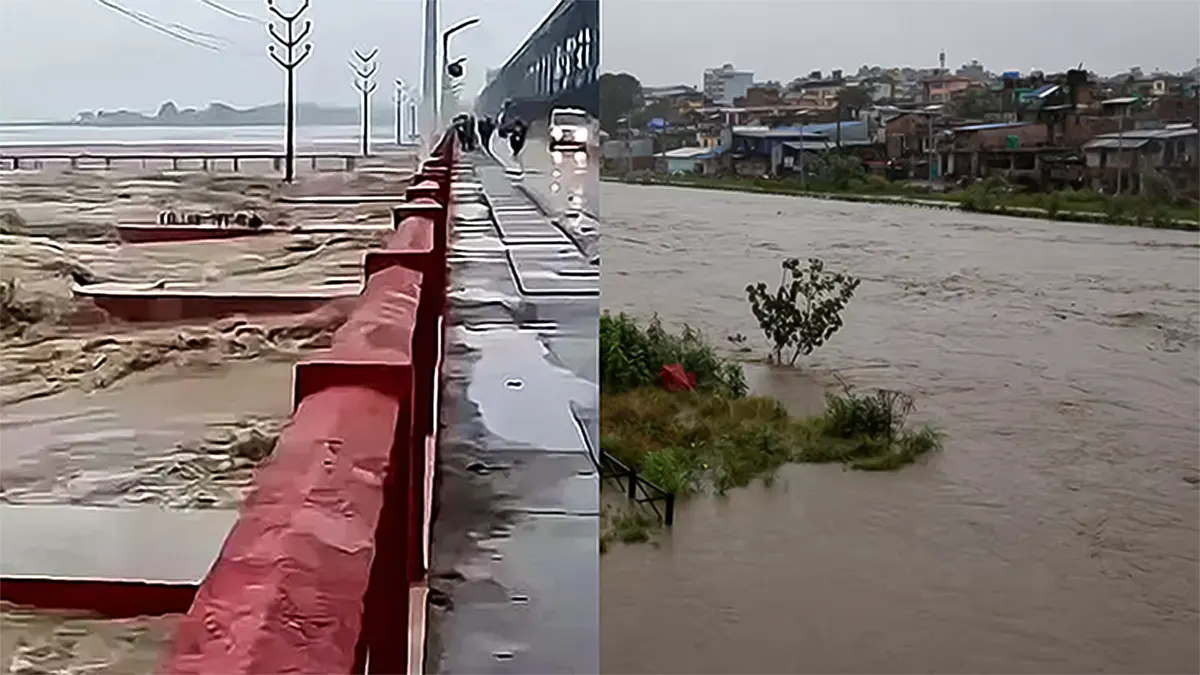
Torrential rains triggered a massive wall of earth that swept through homes, buried farmland, and destroyed the infrastructure that kept the community alive. Communication lines went down. Roads were cut off. And with access nearly impossible, aid workers still can’t confirm exactly how many people were lost.
“Rescue operations are almost impossible without heavy equipment and medical support,” said one humanitarian worker stationed outside Darfur. “The survivors need urgent assistance, but reaching them is extremely dangerous.”
Experts fear the death toll could climb even further as recovery teams struggle to reach the site.
A Disaster Landing in the Middle of a War Zone
Tarasin didn’t just face a natural disaster. It faced one while already being in the middle of a war.
Sudan’s civil war which broke out in April 2023 between the Sudanese Armed Forces (SAF) and the paramilitary Rapid Support Forces (RSF) has already pushed millions of people from their homes, fueled widespread famine, and made Darfur one of the hardest places on Earth for aid organizations to operate.
The Marra Mountains had long been seen as a refuge from the violence, a place where displaced families could shelter from the fighting below. Now, that same refuge has become a mass grave.
Analysts describe the situation as a “double emergency”: a region already stretched to breaking point by armed conflict is now dealing with a catastrophic natural disaster on top of it.
Why Getting Help There Is So Hard
The international community has responded at least in words. The United Nations has expressed what it called “grave concern” over the situation, while neighboring countries and regional organizations have been urged to send food, medicine, and temporary shelter.
But good intentions don’t move through active conflict zones easily.
Fighting continues to block access routes into the affected area. Sudan’s borders are already strained by the millions who have fled the civil war. And the logistical challenges of delivering heavy rescue equipment into a remote mountain region through a war are enormous.
The gap between what’s needed and what can actually be delivered is the defining crisis here.
Darfur Has Been Through This Before and It’s Getting Worse
This isn’t the first time Darfur has been pushed to the edge. For more than two decades, the region has cycled through violence, displacement, drought, and flooding. Its people are no strangers to survival under impossible conditions.
But climate change is making those conditions harder to survive. Heavier seasonal rains, increasingly unstable soil, and the breakdown of any meaningful disaster response infrastructure mean that events like the Tarasin landslide are likely to happen more not less frequently.
For a region already dealing with hunger, trauma, and war, that’s not just a warning. It’s a countdown.
What Comes Next for the People of Tarasin
Without a ceasefire, without safe humanitarian corridors, and without international pressure that translates into actual action on the ground, the survivors of Tarasin face disease outbreaks, further displacement, and a recovery that may never fully come.
Aid groups are clear: emergency response alone won’t be enough. What Darfur needs is a path to peace and until that path exists, every flood, every landslide, every drought becomes a potential mass casualty event.
For now, the people who survived Tarasin are waiting. Trapped between a mountain that gave way and a war that won’t.